 Capital de Tokens
August 5, 2026
Excel with AI: why it is not going away
Excel with AI is not dying: it is becoming the invisible interface where many companies will continue making key decisions.
Excel with AI is not dying: it is becoming the invisible interface where many companies will continue making key decisions.

AI, data centers, and U.S.-China rivalry: the next technology battle could be fought over optical transceivers, not just chips.

The next technological battle between the United States and China may not be over the most powerful chip, but over a lighter-sized component that moves data over fiber optics inside a data center. And that sounds less epic than semiconductors, but it may be more revealing. Because if you’re fighting over artificial intelligence, having fast brains isn’t enough: you need fast nerves. According to Reuters, on August 4, 2026, the Trump administration is preparing an FCC measure to ban the importation into the United States of new models of Chinese components for data centers. Specifically, optical transceivers. These components convert electrical signals into light signals, and vice versa, so servers can communicate with one another at enormous speeds. Exactly. They’re low-profile but critical components.

The battle is not “Excel versus AI.” The battle is “who controls the intelligent layer on top of Excel.” My thesis is this: Excel will not be replaced by artificial intelligence; Excel will be one of the main interfaces for artificial intelligence at work. And that has an uncomfortable consequence. Many compan
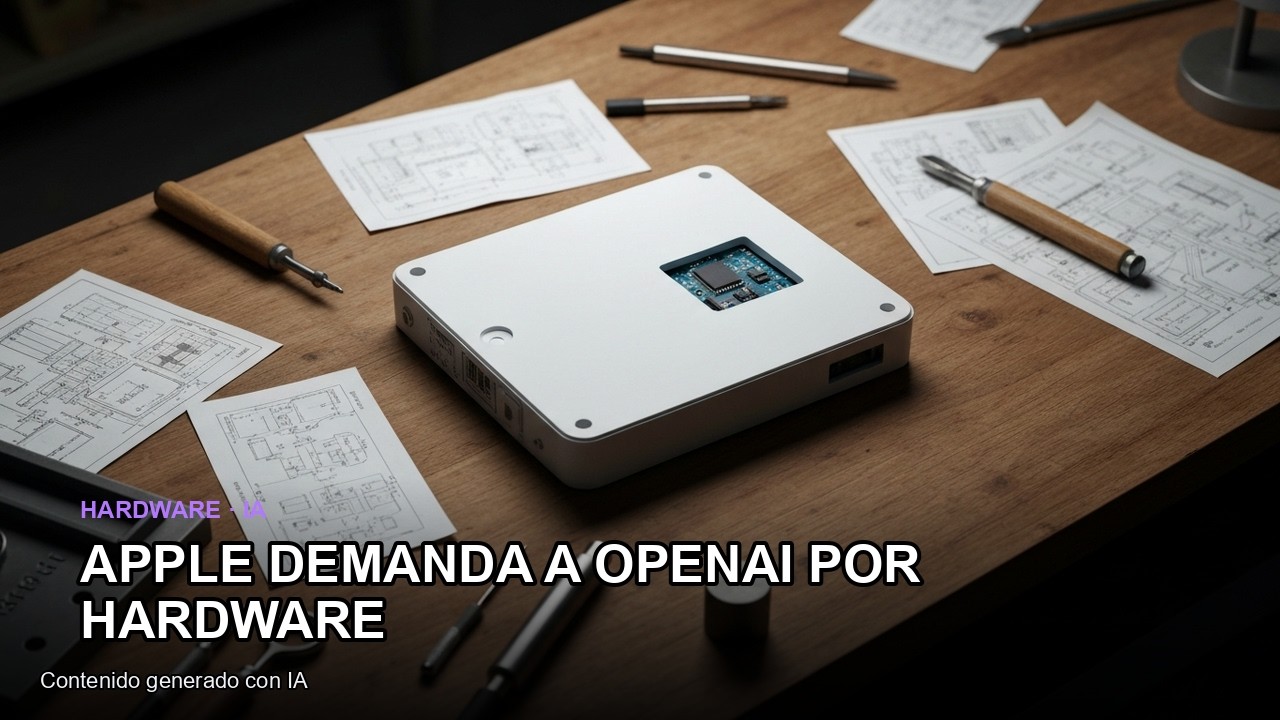
Apple vs. OpenAI: a lawsuit over hardware secrets exposes the battle for the next major AI device.

And the context matters: OpenAI acquired io, the startup founded by Jony Ive and other former Apple employees, in a multibillion-dollar deal. The ambition seems clear: to create AI devices, probably something that doesn't depend on the traditional phone, screen, and app format. That's where Apple gets nervous. Because for years
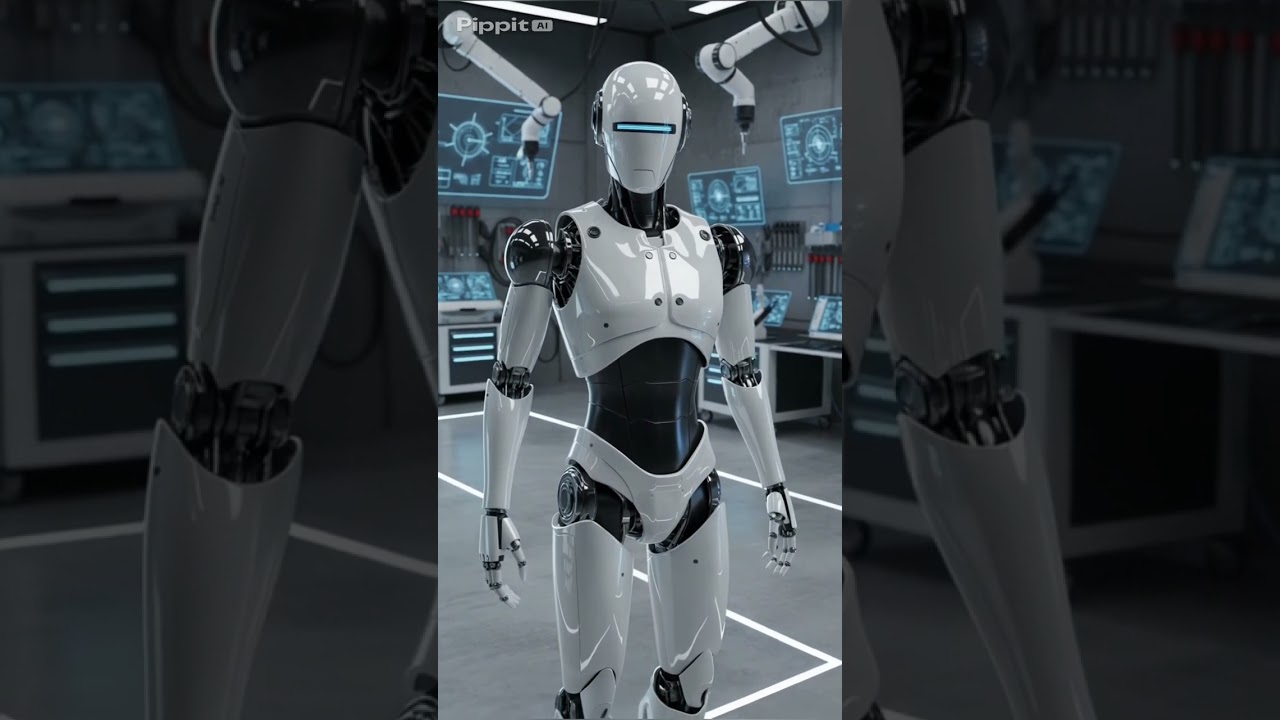
China now controls nearly 85% of the global humanoid robot market. In 2025, around 15,000 robots were shipped worldwide; Unitree and AgiBot each exceeded 5,000 units, while Tesla and Figure AI shipped only a few hundred.

Mathematical AI, OpenAI, and scientific discovery: can artificial intelligence solve real problems for just $2,000?

The $2,000 headline does not announce the end of mathematicians. It announces a brutal drop in the cost of trying difficult things. And that may be just as disruptive. More so, perhaps. Because when the cost of trying falls, behavior changes. People explore paths that once seemed too risky. They

AI debt, Google, and Anthropic: the race for Claude is no longer just about models, but also chips, data centers, energy, and Wall Street.

Do you think artificial intelligence exists only in the cloud? Every response from a model depends on a very physical chain: silicon manufactured in Asia, advanced packaging, data centers, electricity, cooling, and financial contracts.

In short, this news story isn't just about Google financing Anthropic. It's about how AI's financial balance sheet is being built. And how the future of models won't depend solely on brilliant researchers, but also on debt lawyers, bankers, power operators, chip manufacturers