 Capital de Tokens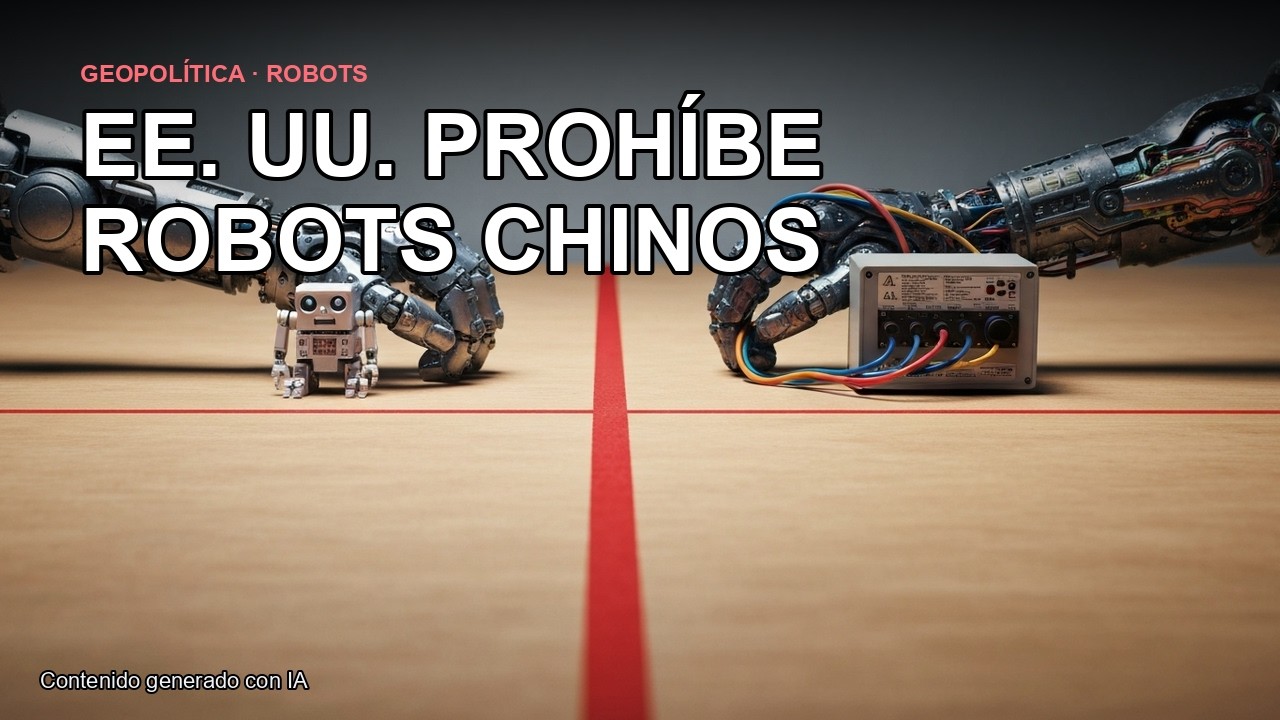
July 30, 2026
Chinese Robots Banned: The New US Tech War
Chinese robots, national security, and physical AI: the United States has just opened a new front in the technology war with China.
Chinese robots, national security, and physical AI: the United States has just opened a new front in the technology war with China.

Chinese robots, the FCC, and physical artificial intelligence: the United States has just opened a new technological frontier that goes far beyond humanoids.
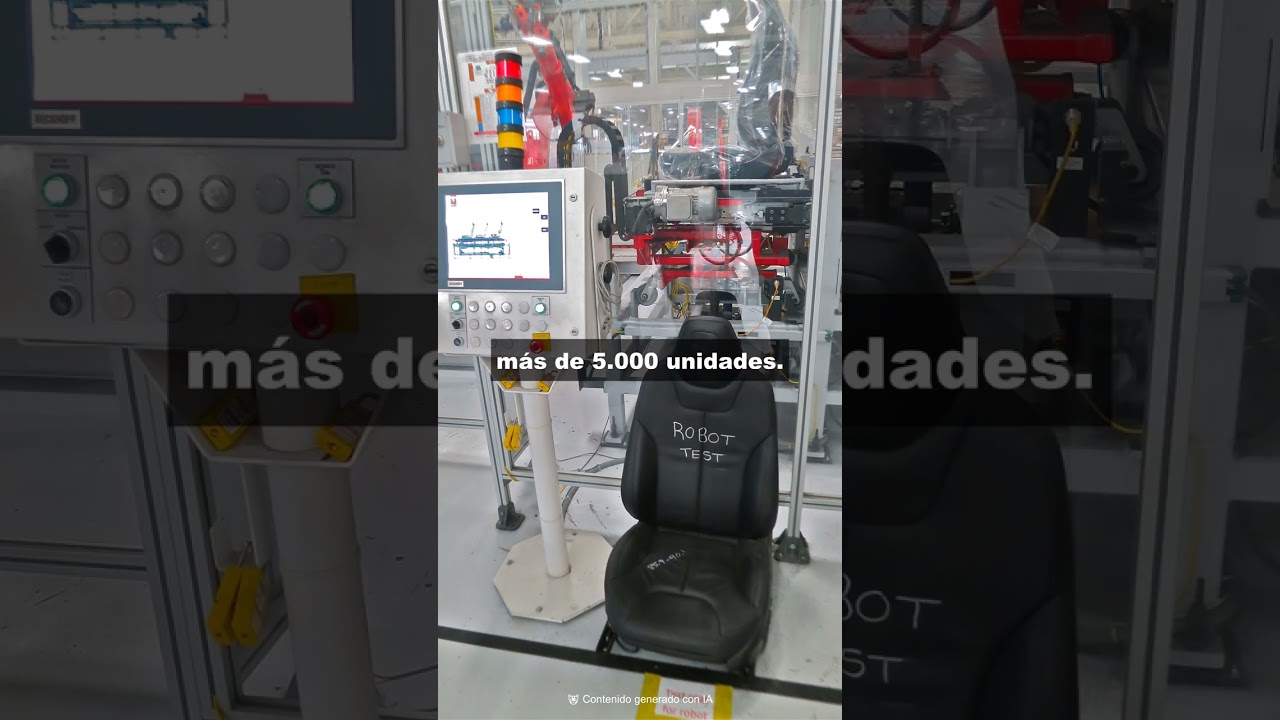
And AP adds that China dominates the global humanoid robot market, with an estimated share close to 85%. That's brutal. In 2025, around 15,000 humanoid robots were shipped worldwide, according to figures cited by AP. Unitree and AgiBot, two Chinese companies, each shipped more than 5,000 units. U.S. companie
If you radically reduce the cost of producing code, you may not eliminate chaos—you may amplify it. There used to be natural friction. Because building was expensive, you filtered more. If building becomes cheap, you can fill the repository with half-correct solutions to poorly defined problems. And that can be worse than not building.

The most likely future is not an open-source blackout. It is uneven professionalization. Linux, Kubernetes, PostgreSQL, OpenSSL, and similar projects will likely continue, probably becoming more institutionalized. The code will remain open in many cases. But the freedom to run modified versions in any important environment may be reduced. And small, experimental, unusual software may suffer the most.

Artificial intelligence, clean books, and training data: AI companies are buying physical books to scan them and power new models.

Additional creative Short inspired by an idea from the episode.
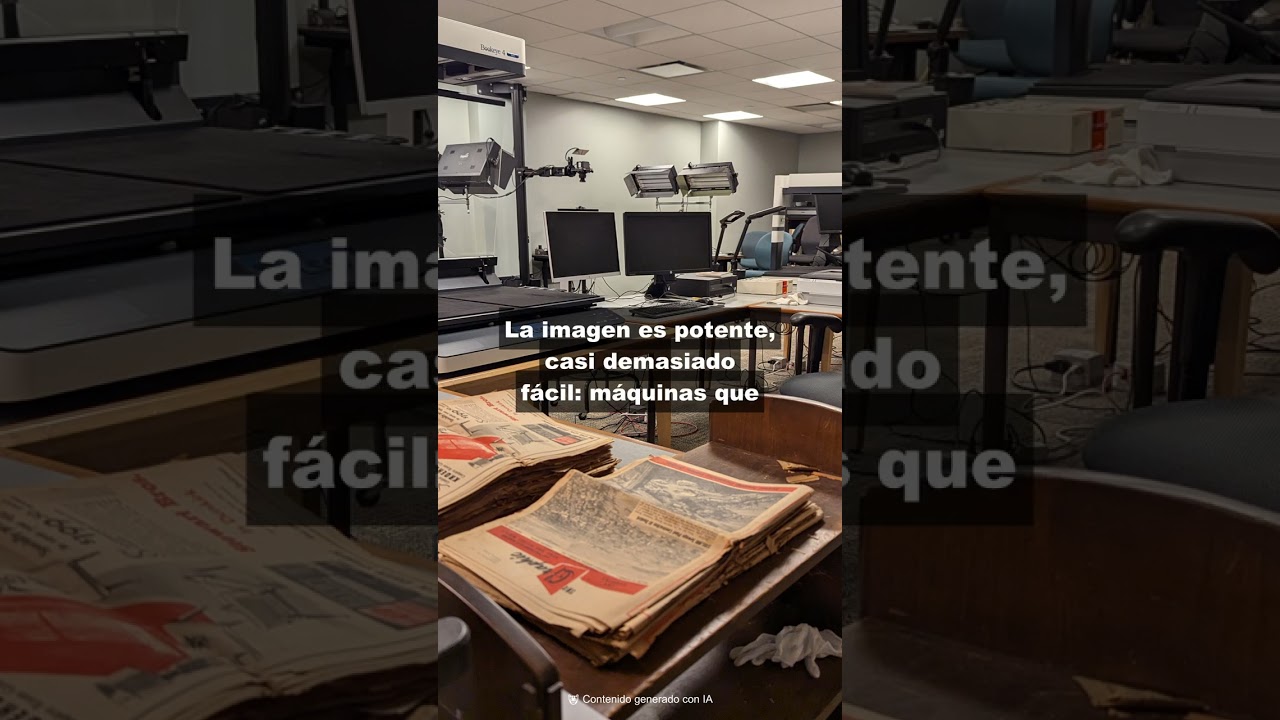
Here’s the news: companies linked to the development of artificial intelligence are buying large quantities of printed books, sometimes through intermediaries who promise anonymity, to scan them and turn them into training data. And in some documented operations, the scanning isn’t gentle. It

Additional creative short inspired by an idea from the episode.

Samsung, Apple, China, and DRAM memory are at the center of a silent war that could change the price of your devices.
Samsung is making its DRAM factories work harder not because it wants to save the consumer, but because it has realized that the real danger isn't losing an Apple order: it's allowing Apple to discover that it can live with Chinese suppliers. That's my thesis. And I think it's important to say it from the beginning, because the princip

Additional creative short inspired by an idea from the episode.