July 21, 2026

China Already Has 400 Humanoid Robots, but There's a Catch

China has just put a figure on the table that changes the tone of the conversation: more than 400 complete humanoid robot products developed in the country, more than half of the global total, according to data from its Ministry of Industry and Information Technology. It's a powerful figure, yes, but it also needs to be rea


July 20, 2026

The Big Question Behind Cheap AI

But the more interesting interpretation is another one: the market is testing the limits of the promise of cheap AI. That’s where I disagree a little. The fact that a product becomes overloaded at launch doesn’t prove that cheap AI is unviable. It may show that Moonshot underestimated interest or preferred to launch quickly to capture attention. Agre

July 20, 2026

The Chinese Model That Reached Capacity in 48 Hours

A Chinese company has just launched an artificial intelligence model so popular that, within days, it had to close the door to new subscribers. And that sounds like a triumph, but also a warning. Exactly. We're talking about Moonshot AI, a Beijing startup, and its new Kimi K3 model. According to information pub

July 20, 2026

Less Magic, More Accounting in AI

The conclusion is that the AI market is entering a more mature and more uncomfortable phase. Less magic, more accounting. Exactly. The question is no longer whether artificial intelligence will be important. The question is who makes money, how much, for how long, and with what level of investment. And China adds pressure because

July 20, 2026

The AI Gold Rush Is Starting to Falter

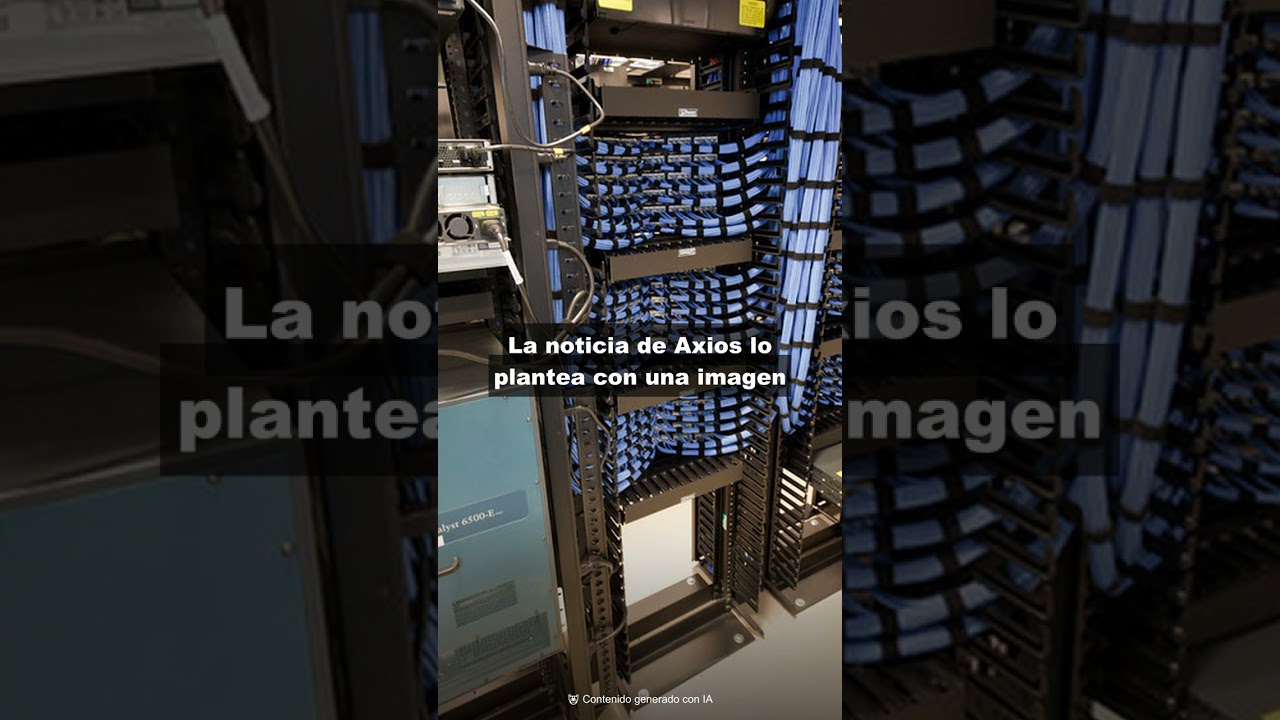
And the speculation is the most interesting part: maybe we're not seeing the end of the AI boom, but the end of an overly simplistic version of the boom. The Axios story frames it with a clear image: chipmakers were the picks and shovels of the AI gold rush. It didn't matter who found gold; qu

July 20, 2026

Japan Wants 10 Million AI-Powered Robots

The central project is called Noetra. It is a consortium backed by Japanese companies such as SoftBank, Sony, NEC, and Honda, with support from the Japanese government. Its goal is to develop proprietary AI models for robots, vehicles, and factories. And the Japanese government has put big numbers on the table. The figure being discussed is up to

July 20, 2026

Japan's technological sovereignty depends on Nvidia

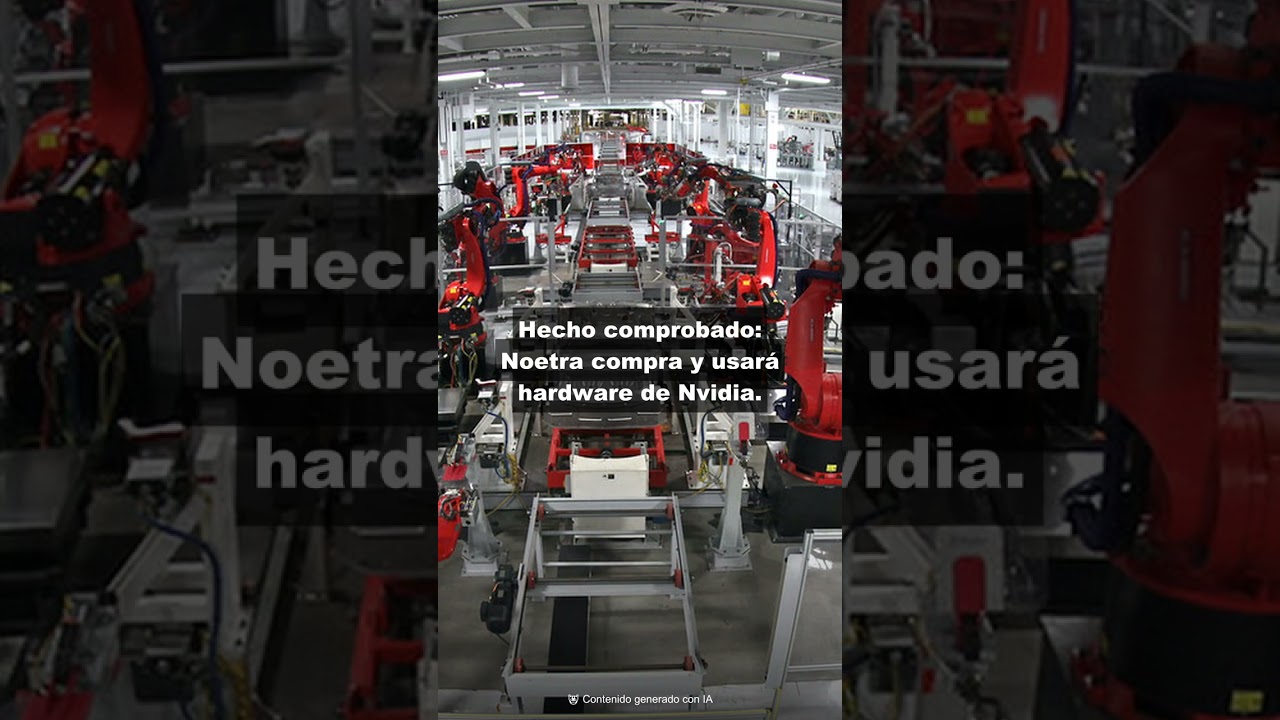
Now, the geopolitical angle. Japan looks at the United States and China and sees that the AI race is concentrated among a few players. It wants its own data, its own models, its own infrastructure, and less dependence on foreign platforms. But dependence does not disappear; it shifts. If the key computing power comes from Nvidia, Japan's independence is built on American silicon, American software, and an extremely vulnerable global semiconductor supply chain. That is the dilemma. Verified fact: Noetra is purchasing and will use Nvidia hardware. Reasonable interpretation: Japan is accepting tactical dependence in order to gain speed. Speculation: if the project succeeds, Japan could try to capture more layers of the stack over time, from industrial data to models, control software, and vertical applications.

July 20, 2026

Will quantum computing really accelerate AI?

And Gaussians are everywhere: sensor noise, probabilistic models, statistical approximations, and physical phenomena near equilibrium. That is where the connection to artificial intelligence appears. Many learning methods work with data, perturbations, or distributions modeled using gaussians.