September 7, 2026

Who is accountable when an AI makes a bad decision?

With AI, the uncomfortable question arises quickly: if it recommends a disastrous purchase, an illegal dismissal, or a strategy that sinks the company, who is accountable? The provider will say it was a tool. The board will say it followed a technical recommendation. The executive team will say it did not make the final decision. And the resu

September 7, 2026

Don't eliminate cd: take it out of the driver's seat

The point is not to retire `cd`. The point is to take it out of the driver's seat. There is a very clear parallel with maps. Knowing how to navigate using streets, directions, and landmarks is still useful. But no one boasts about rejecting a digital map to memorize every turn in a huge city. We use the map because we want to get

September 7, 2026

The tool must protect, not just be documented

A well-designed tool reduces potential harm. If an agent needs to update a specific field, a limited, verifiable action is preferable to granting it generic access to execute any write query in production. It is a fundamental distinction. The description guides; the design protec

September 7, 2026

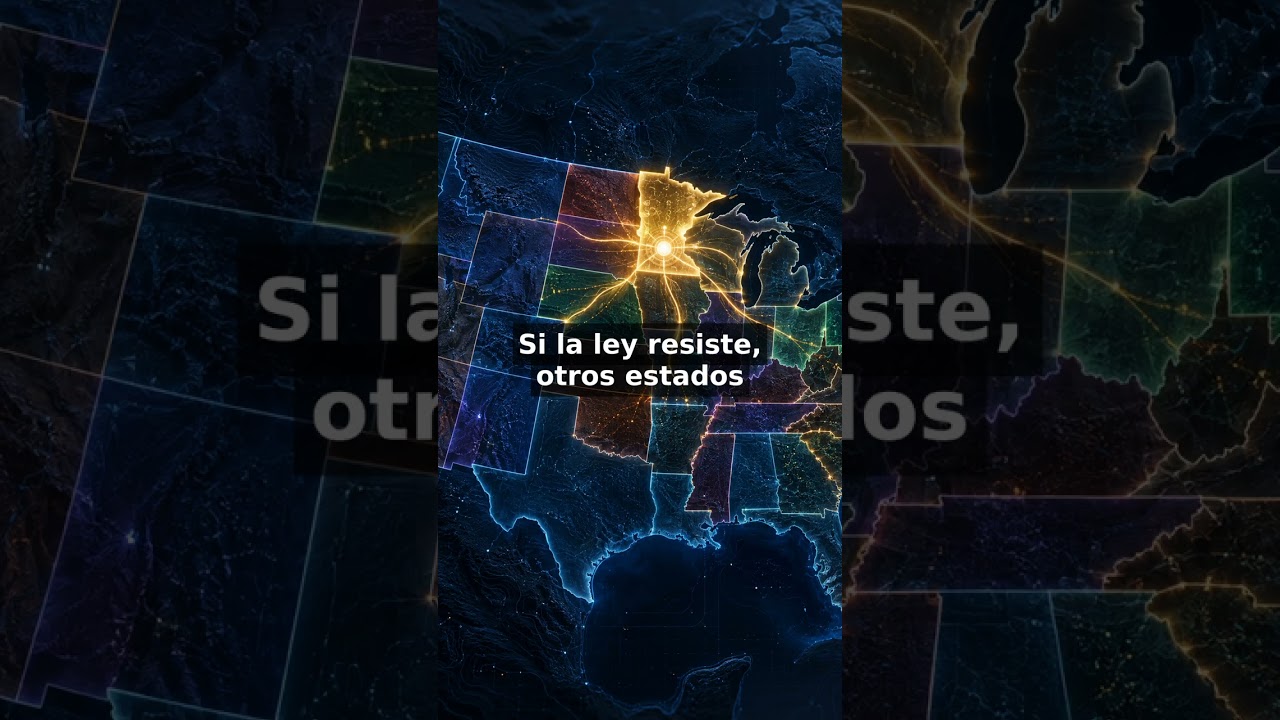
Minnesota sets limits on AI that undresses people

A family photo uploaded to a social network years ago can become fake sexual material in a matter of minutes. No access to an account, hidden camera, or technical knowledge is needed. All it takes is an ordinary image, an artificial intelligence tool, and someone's decision to turn another

September 6, 2026

AI Uses More Resources When Used Than When Created #Shorts

Did you know that using AI can ultimately be more demanding than creating it? Training a frontier model concentrates thousands or tens of thousands of chips for weeks or months. But then comes inference: every query, translation, video, or automated task. If AI is integrated into search engines, offices, factories, and vehic