 Capital de Tokens
October 2, 2026
The fact a form cannot prove #Shorts
Do you really know who is using those servers after you sell them?
Do you really know who is using those servers after you sell them?

AI chip smuggling, advanced servers, and export controls: a case in California reveals how the technology could reach China through intermediaries in Asia.
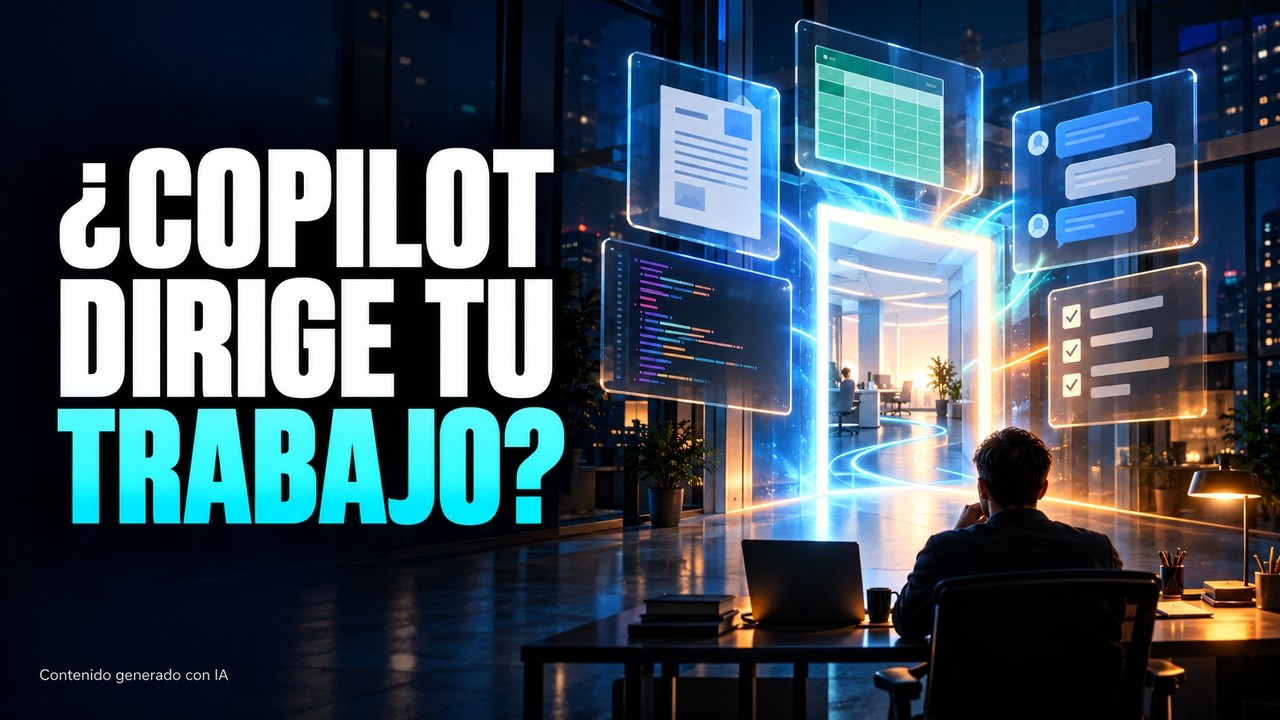
Microsoft Copilot aims to be the gateway to working with artificial intelligence: creating applications, automating tasks, and working with Word, Excel, PowerPoint, and Teams in one place. What changes with its new Home, Code, and Autopilot features, and what risks and costs should you keep in mind?

I want common standards for frontier artificial intelligence. It would be absurd to give up tools that can detect dangers before they reach millions of people. But I want those who build these systems to contribute evidence and expertise without controlling the verdict. If the proposed body comes

Should artificial superintelligence be held back? We analyze the proposal to criminalize its creation and which AI risks we can already assess today.

Gemini 4 Argon is Google’s new artificial intelligence model, but its limited access leaves a key question: can it demonstrate its performance in independent tests and real-world tasks?
Now a different idea is emerging: the agent. Instead of asking it for an answer, you assign it an outcome. For example: “Prepare a report on the changes to this project.” To do that, it may need to read messages, consult files, organize data, and draft the document. It can link steps together and use tools.

And there is our thesis: the next competitive advantage may depend not on the best score in isolation, but on the ability to turn a promising answer into a completed, reviewed, and economically viable task. Does Google offer any clues about that? It says its own teams already use Argon. It gives examples

Second: the risk that is easiest to overlook lies in the permissions we give today’s systems. An assistant drafting an email can make a mistake and leave an absurd sentence. An agent connected to email, a browser, a company’s code, and its accounts can turn an error into an action. The differ

Can an artificial intelligence improve its own systems without knowing what is worth researching?

Has the artificial intelligence singularity already begun? Discover what it means for AI to help develop new systems and whether that could accelerate its progress beyond our control.

Is artificial intelligence taking away creative jobs? More than 200,000 positions disappeared in the United States in four years, but the numbers do not tell the whole story.