 Capital de Tokens
July 14, 2026
AI Automation: The Reality Behind the Technology's Promises
Is AI automation real, or is it a bubble? Discover the dangers of synthetic technical debt and the future of programming in this analysis.
Is AI automation real, or is it a bubble? Discover the dangers of synthetic technical debt and the future of programming in this analysis.

Helsing raised $1.8 billion—the largest round in European defense tech—and turned down investors. What is this German military AI startup building, and what does it say about Europe?
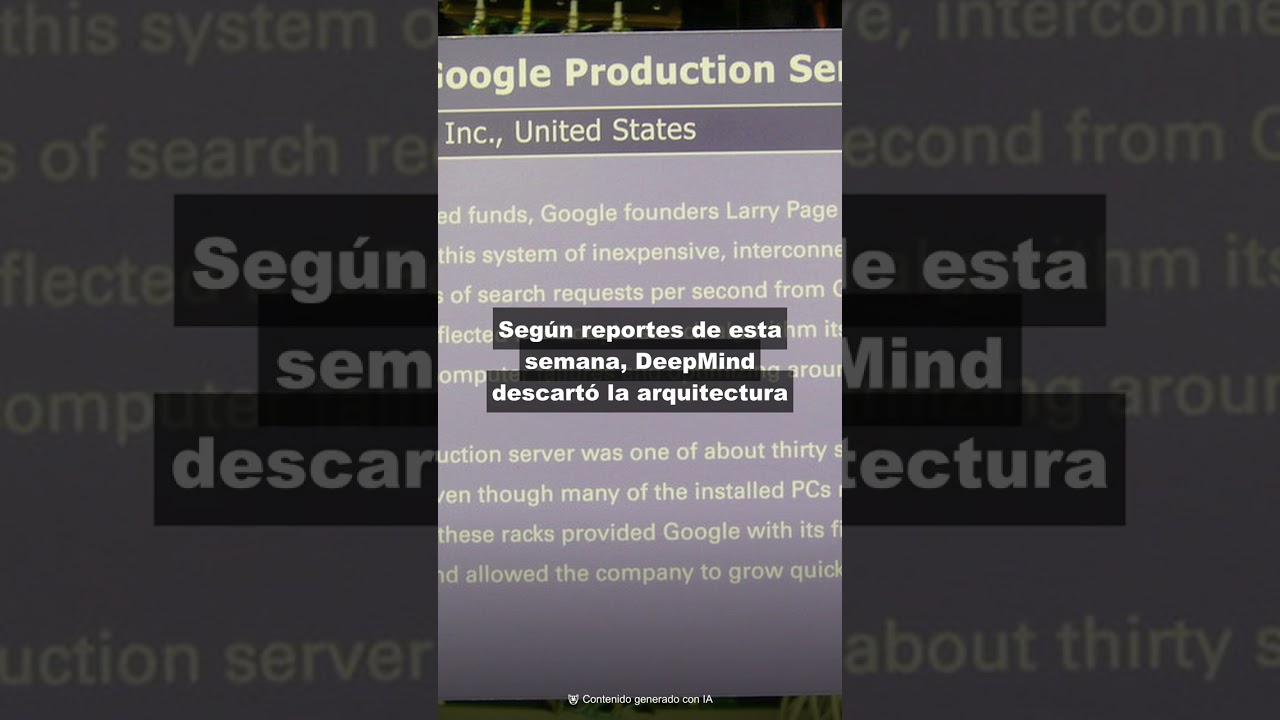
Google just did something that major tech companies rarely admit: throw a model in the trash and start from scratch. Wait, literally from scratch? Literally. According to reports this week, DeepMind discarded the base architecture of Gemini 2.5 Pro, which was supposed to be the foundation of Gemini 3.5 Pro, and starte

And in technology, people who migrate rarely come back. The cost of switching is high, but once you do it, inertia works in favor of the new provider. That's what's at stake for Google with every week of delay. Not just the headline about who launched first, but the loyalty of developers who are the channel for enterprise adoption
And here’s the strategic takeaway I find most interesting: the delay isn’t just a technical problem. It’s also a sign that Google changed its objective. Explain. According to reports, DeepMind is positioning Gemini 3.5 Pro not as the most powerful model on the market, but as the most cost-effective option for companies that can’t or don’t want to pay OpenAI or Anthropic’s prices.

Google abandoned the base architecture of Gemini 3.5 Pro and restarted pretraining from scratch. What went wrong, what does this reveal about the AI model race, and what does it mean for developers who were already waiting for this release?
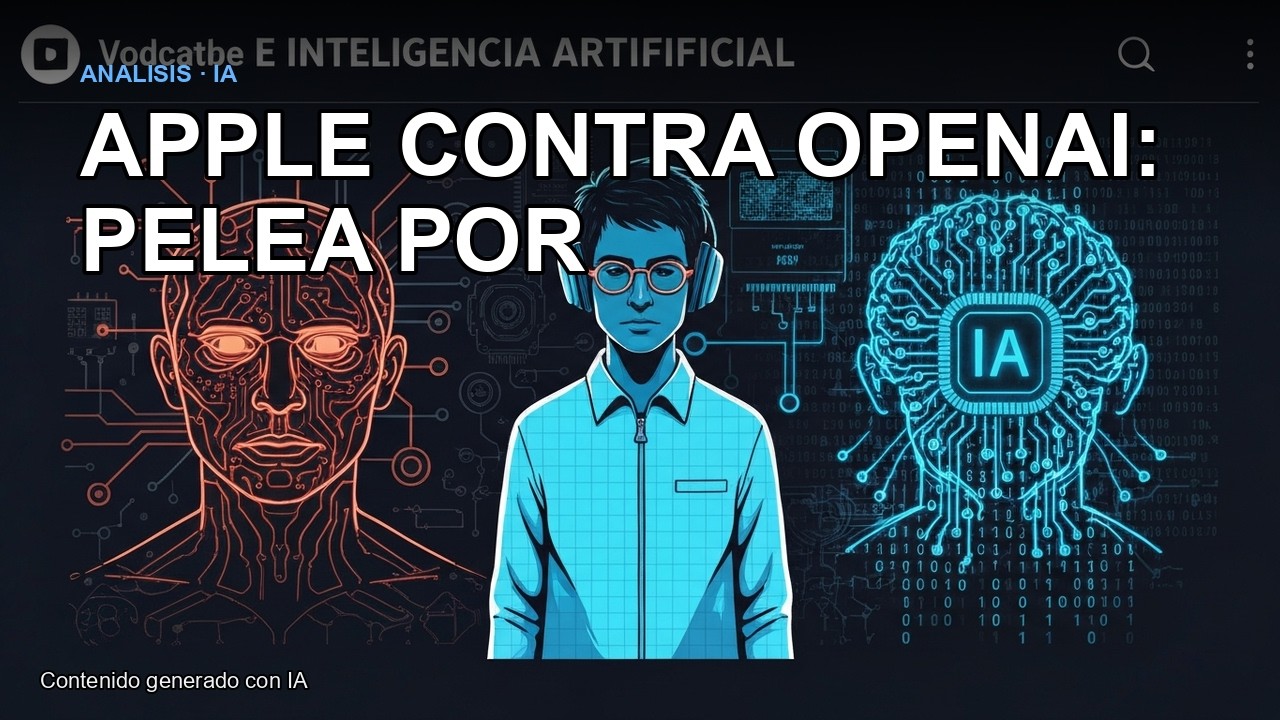
Apple vs. OpenAI erupts over trade secrets, AI hardware, and the fight to control the next device after the iPhone.

The verified fact is this: Apple sued OpenAI, its hardware division or related organization, and former Apple employees, accusing them of taking confidential information to accelerate the development of artificial intelligence devices. And it's important to put the brakes on from the outset: a lawsuit is not a judgmen

Artificial intelligence doesn’t live in the cloud. It lives in enormous, incredibly expensive factories filled with machines that etch microscopic patterns onto silicon wafers. And this week, one of those factories sent a very clear signal: AI spending isn’t cooling off as quickly as many expected.

Artificial intelligence, TSMC, and AI chips: the Taiwanese giant's record sales reveal how much silicon is being purchased to build the future.

Artificial intelligence, China, and geopolitics: the battle to define the global rules for AI has already begun.

Anthropic, the AI company founded by former OpenAI employees specifically because of safety concerns, has just removed its most important commitment: never to train a model without prior safety guarantees. What does this mean for the future of AI?