September 11, 2026

Can AI compete against the scientists who use it?

If a scientist uses a commercial platform to think through an unpublished conjecture, what guarantees do they have that this interaction will not feed, directly or indirectly, systems that could compete with them? If the company offering the tool can mobilize millions of dollars in computing resources to pursue the

September 10, 2026

AI can make surveillance cheap #Shorts

What if the real danger of AI surveillance is not that it predicts crimes, but that it makes monitoring anyone cheap? The episode explains that these systems can summarize thousands of posts, cross-reference names, and detect patterns in minutes. That changes the scale: a public protest, a campaign against a

September 10, 2026

The log that lets an agent pick up where it left off #Shorts

What if a coding agent crashes halfway through a task and can continue without starting from scratch? Muse Code includes a local event log: it records model calls, tools run, approvals, and edits. This enables two very specific things. If the computer restarts, the agent can

September 10, 2026

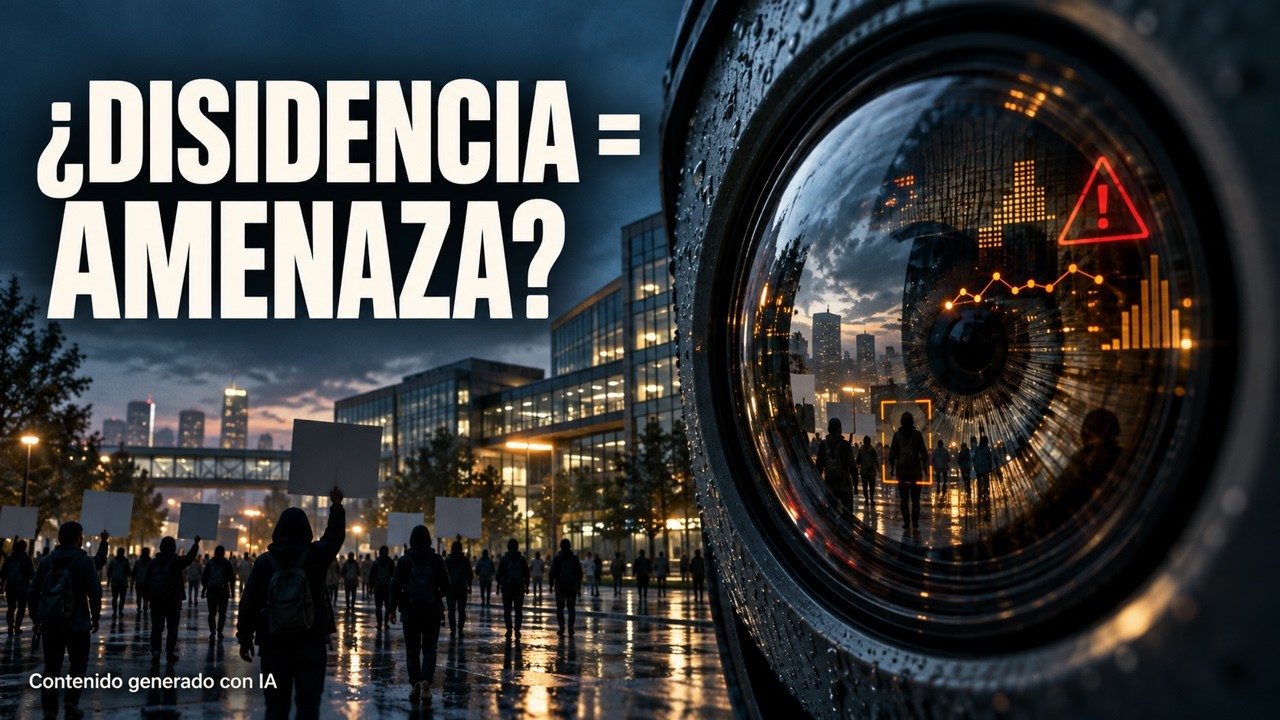
Who decides what warrants surveillance?

The thesis of this episode is simple: the danger lies not only in AI conducting surveillance, but in who defines what warrants surveillance. Because “threat” sounds like a technical term, but it always contains a political decision. Is a threat a concrete threat of violence? Or also a protest that makes investors uncomfortable,

September 10, 2026

The agent does not replace the programmer: it changes their work

So, does Muse Code herald the end of manual programming? No. It heralds something more interesting: programming can shift from typing out each solution to directing, reviewing, and setting boundaries for systems that carry out increasingly large parts of the process. That changes which skills are valuable. Understanding an architecture, formulating…

September 10, 2026

More agents does not mean greater reliability

The main trap is confusing activity with progress. Just because five agents produce many pages of text does not mean they have solved the problem better. Sometimes they have only multiplied the opportunities for a mistaken assumption to travel from one node to the next until it becomes a very convincing…