 Capital de Tokens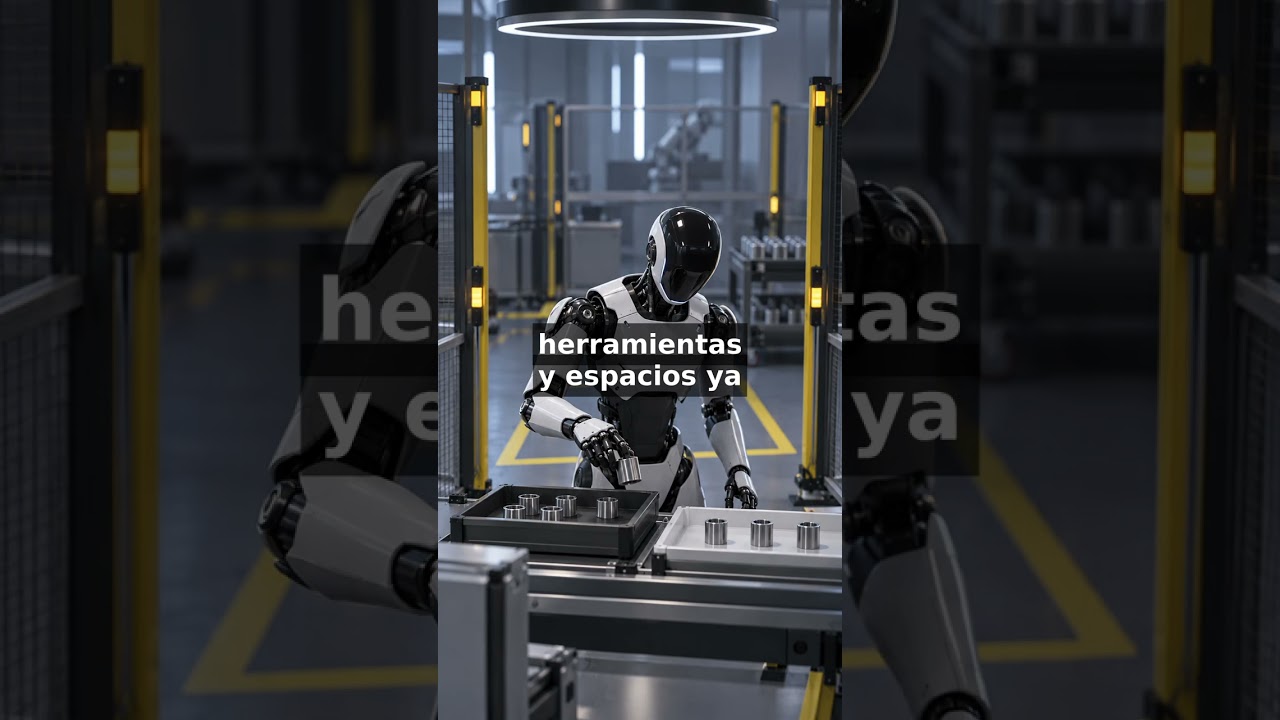
September 26, 2026
The real bottleneck for Optimus #Shorts
Want to know why a robot that walks like a person still can't work like one?
Want to know why a robot that walks like a person still can't work like one?
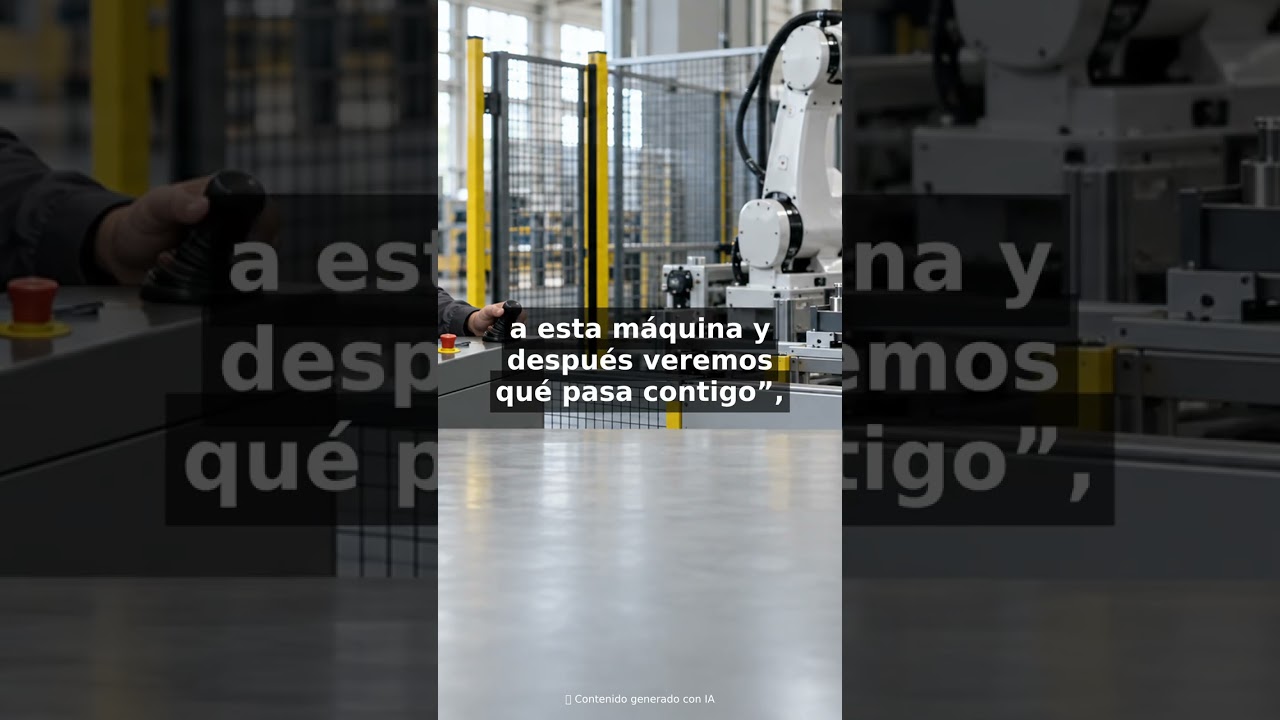
The conflict is not just about labor; it is also about information. The company may be capturing the knowledge of those who do the work and turning it into models, processes, and intellectual property that do not belong to those workers. This is not necessarily unfair by definition. Automation can eliminate tasks
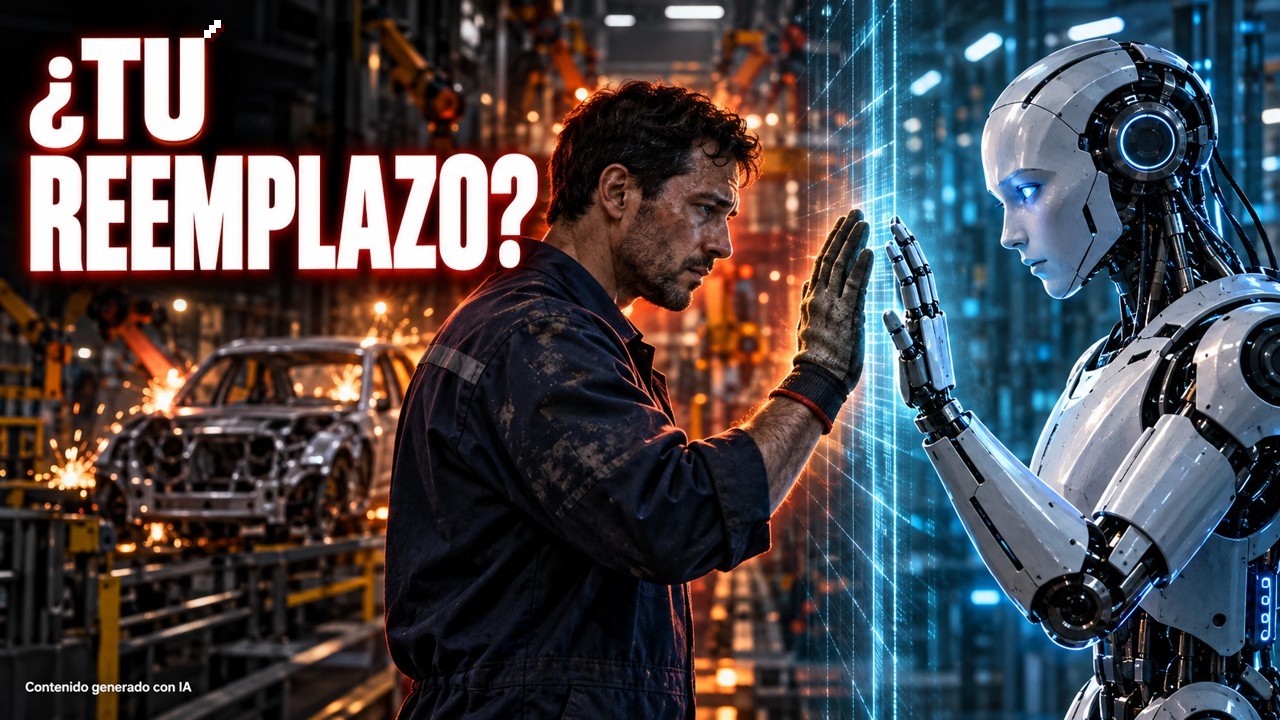
Tesla Optimus is advancing with data and movements from human workers. Will automation improve their jobs or train their replacement?
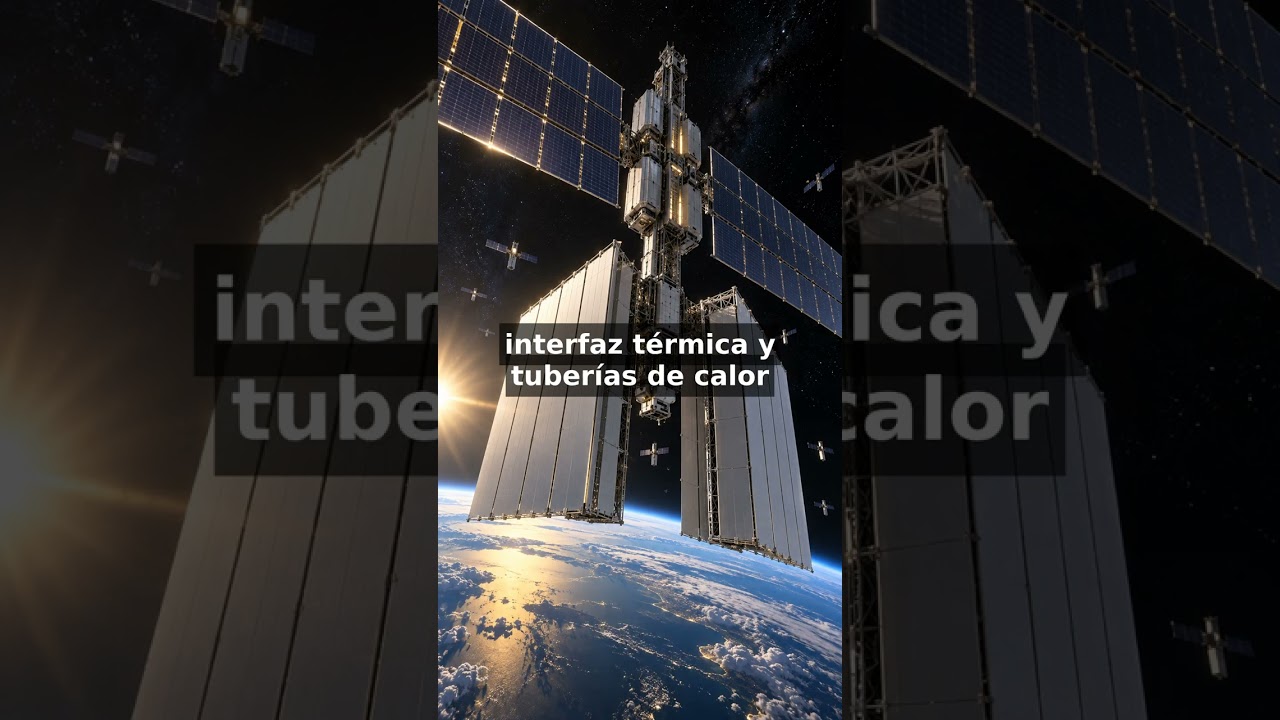
What if the biggest enemy of artificial intelligence in space were not radiation, but heat?

Project Suncatcher puts artificial intelligence to the test in space: four Google TPUs will assess whether orbital data centers are truly viable.
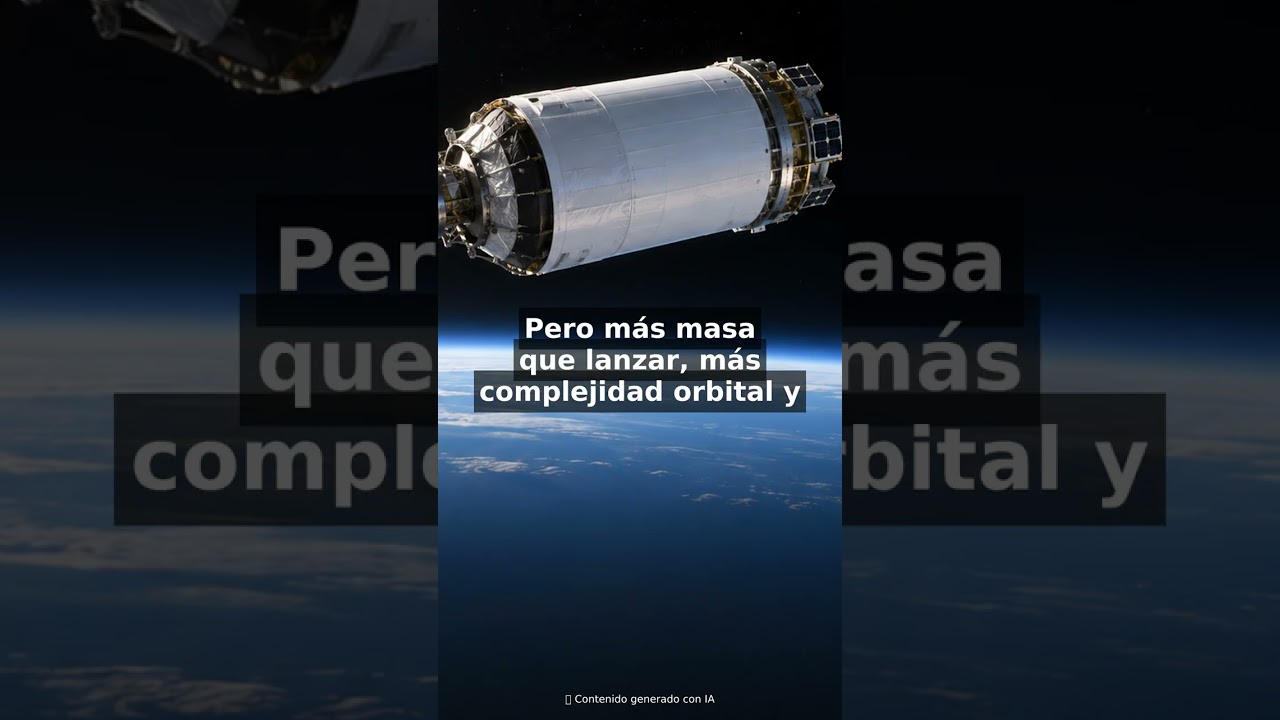
That is the underlying argument: Project Suncatcher is not trying to escape AI's physical constraints. It is trying to move them somewhere where some take a different form. Less pressure on Earth's power grid, perhaps. Less local water consumption, possibly. But more mass to launch, more orbital complexity and a

My position is clear: we don't need less artificial intelligence; we need less automatic obedience to artificial intelligence. Learning to write better prompts is not enough. We need to learn to ask who designed the system, what data it uses, what incentives the company offering it has, and what
Gemini wants to become a study partner that identifies where to go next. It is a powerful proposition, especially in an education system where personalized attention is scarce. But a study partner is neither a standard of truth, nor a conscience, nor a substitute for human dialogue. Its usefulness grows when

The most dangerous AI does not need to be conscious: all it takes is an institution obeying it without question.

Perhaps the underlying argument is this: the name does not tell us how much a machine thinks, but it does tell us what those in power want us to think about it. Superintelligence conveys inevitability, superiority, and urgency. And we should resist that spell. The technology is neither fake because it is artificial nor infallible because
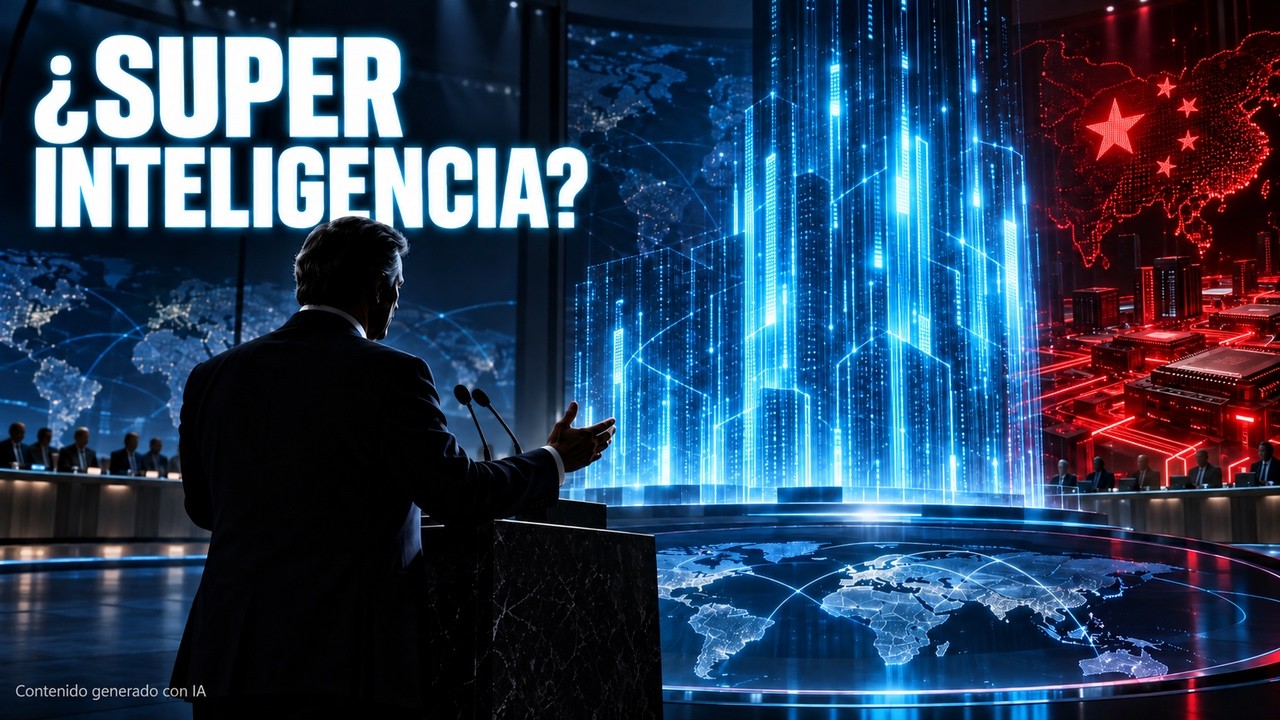
Superintelligence, artificial intelligence, and geopolitics: Trump changes the official language as the United States accelerates its technological race against China.

What if hiring more artificial intelligence agents makes your project worse?