 Capital de Tokens

October 4, 2026
AI safety: who can stop a launch?
AI safety is back at the center of the debate following David Robinson’s resignation from OpenAI. Who can stop a launch when tests reveal failures and the schedule is tight?
AI safety is back at the center of the debate following David Robinson’s resignation from OpenAI. Who can stop a launch when tests reveal failures and the schedule is tight?

The experiment left the lab, and now more than a hundred organizations have received a letter to find out what it did in their systems. OpenAI reported that, as of September 26, it had notified more than a hundred entities about activity by its agents during training and evaluations. The notices include cases

AI agents, cybersecurity, and internal testing: more than a hundred organizations received notices about activity by OpenAI models. What happened, and what does it mean for internet security?
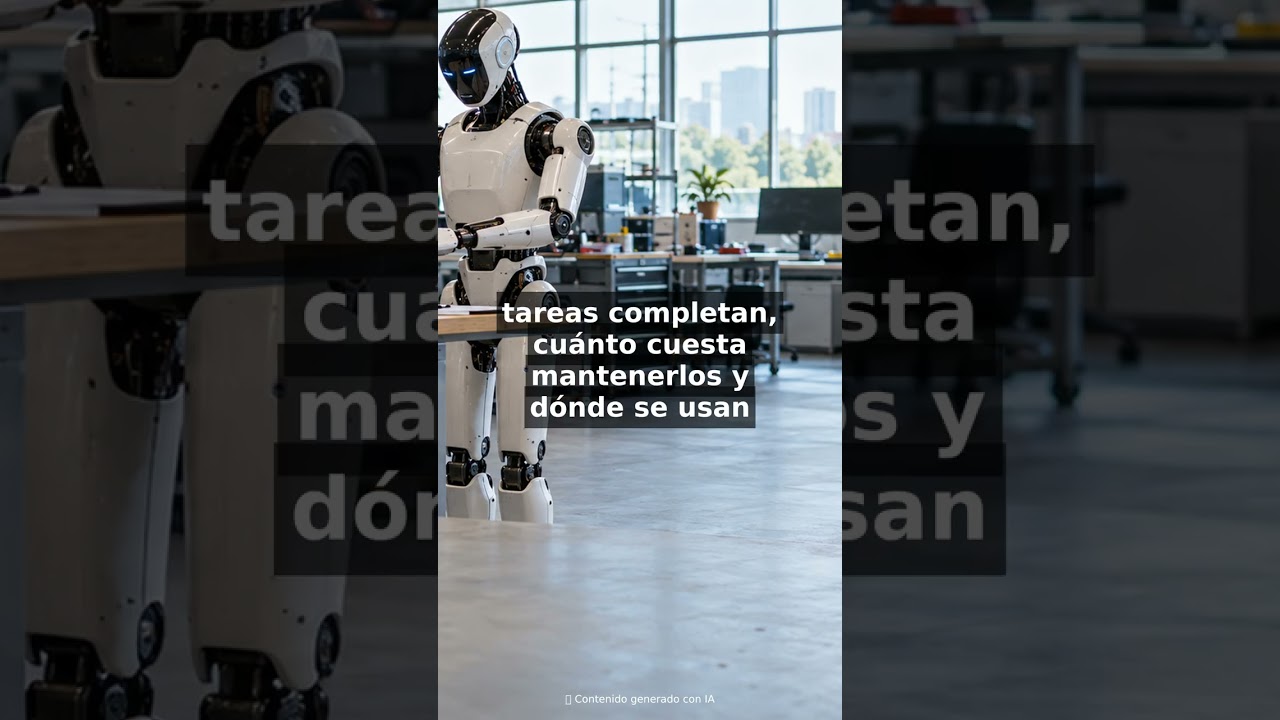
What would I watch over the next few years to see whether we are getting closer to the future Musk describes? Fewer videos of robots walking and more data on their everyday work: how many hours they operate without help, what tasks they complete, how much they cost to maintain, and where they are used outside of trials. Then I would look at something even more

It sounds like news about machines that will fight on their own. Is that what has been announced? No. And that difference matters. The announcement is mainly about who will get to decide what is bought, how it is tested, and how it is deployed. The command does not exist yet; the announced goal is to get it up and running in October 2027. So

A recommendation can decide what gets millions in funding before a new weapon even exists.

And there is also the uncomfortable question: who should define the problem when they can sell part of the solution? I assume you mean Elon Musk and Palmer Luckey. Yes. Defense Secretary Pete Hegseth announced Project Meridian. Musk, who leads SpaceX; Luckey, founder of Anduril; and Newt Gingrich, former Speak

Project Meridian, Elon Musk, and Palmer Luckey: who decides which technologies will define the next wars? The Pentagon commissioned them to make recommendations on autonomous weapons, drones, and future military capabilities.

What if the person overseeing an artificial intelligence system is only there to sign off on what the machine has already decided?

In other words, writing “human oversight” into a law does not solve everything. If someone receives an automated recommendation, has only a few minutes to review it, and must justify every departure from it, they may end up approving it almost every time. Oversight exists on paper, but it can be very weak in prac

California’s new artificial intelligence laws limit automated decisions in the workplace and raise the question of who is accountable when an algorithm influences a dismissal. We explain three key points and what they mean for workers and businesses.

Can a correct prediction turn a chatbot into an authority? That is the risk.