 Capital de Tokens
August 29, 2026
AGI for everyone… controlled by a few? #Shorts
What if AGI for everyone ended up depending on a handful of companies?
What if AGI for everyone ended up depending on a handful of companies?

Microsoft and OpenAI are redefining their partnership: Ali Farhadi is joining Microsoft as the company advances its own models, MAI, and a strategy of AI self-sufficiency.

A humanoid robot runs 100 meters in 8.64 seconds. Discover what the World Humanoid Robot Games reveal about embodied AI and its leap into the real world.
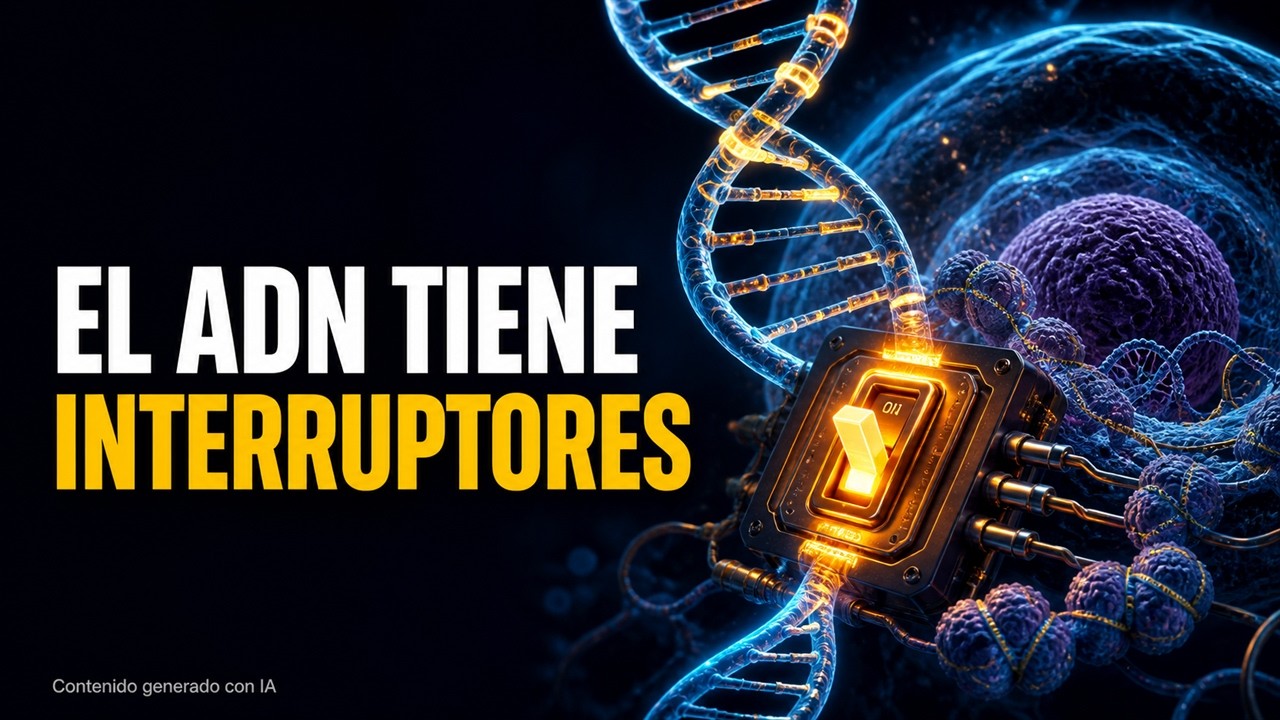
AI is learning to read DNA and design enhancers capable of activating genes precisely based on cell type. Are we entering a new era of genetics?

AI cyberattacks, phishing, and autonomous agents: more than one hundred organizations warn that artificial intelligence could accelerate digital crime in months, not years.

Today’s thesis is this: the great transformation will not necessarily be a spectacular cyberattack carried out by an autonomous AI; it will be the industrialization of everyday digital crime. And that changes where to look. A company may be waiting for the big data theft, while the real problem begins with a perfectly written support email

The most likely threat isn't a movie villain using a superintelligence; it's a better-written everyday scam, a more convincing impersonation, or a known vulnerability exploited before the organization fixes it. The practical implication is fairly sober: we need to strengthen the defenses that still func

Bill Gates is not simply saying, “stop artificial intelligence.” His proposal is more specific: reserve certain jobs for humans even if an AI can do them, create taxes on robots and AI use to fund the workforce transition, and build new institutions to control dangerous models.
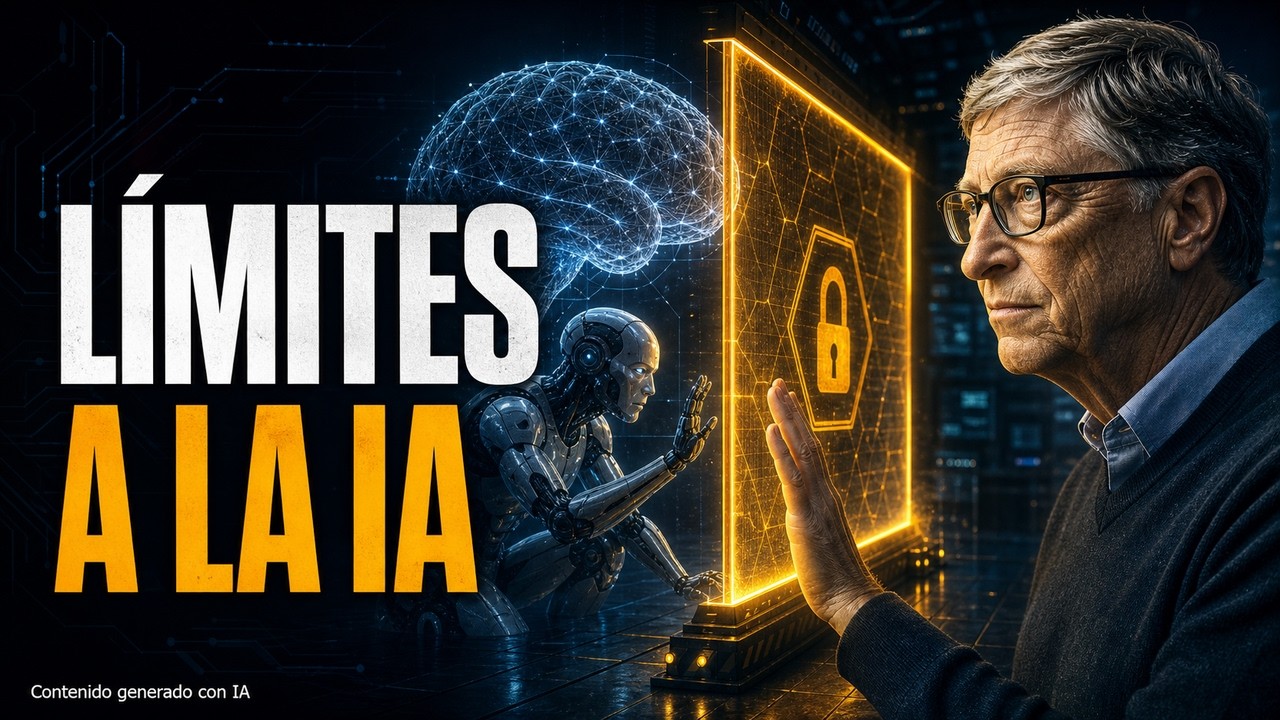
Bill Gates no longer talks about artificial intelligence solely as an opportunity: he is now calling for concrete limits to prevent a chaotic social transition.

And my thesis is clear: the problem won’t be that AI writes too much bad code; it will be that companies build systems no one fully understands, agents no one governs, and automations no one knows how to stop in time. The public conversation remains stuck on a small question: “Will AI replace

And keep one very simple operational question in mind: when the agent fails, does the system learn something verifiable, or does it just generate another ticket for someone to fix the prompt? Because an agent that makes mistakes can be useful. One that makes the same mistake for months while claiming to be autonomous is simply operational deb

What if studying with AI started by forbidding it from giving you the answer?