 Capital de Tokens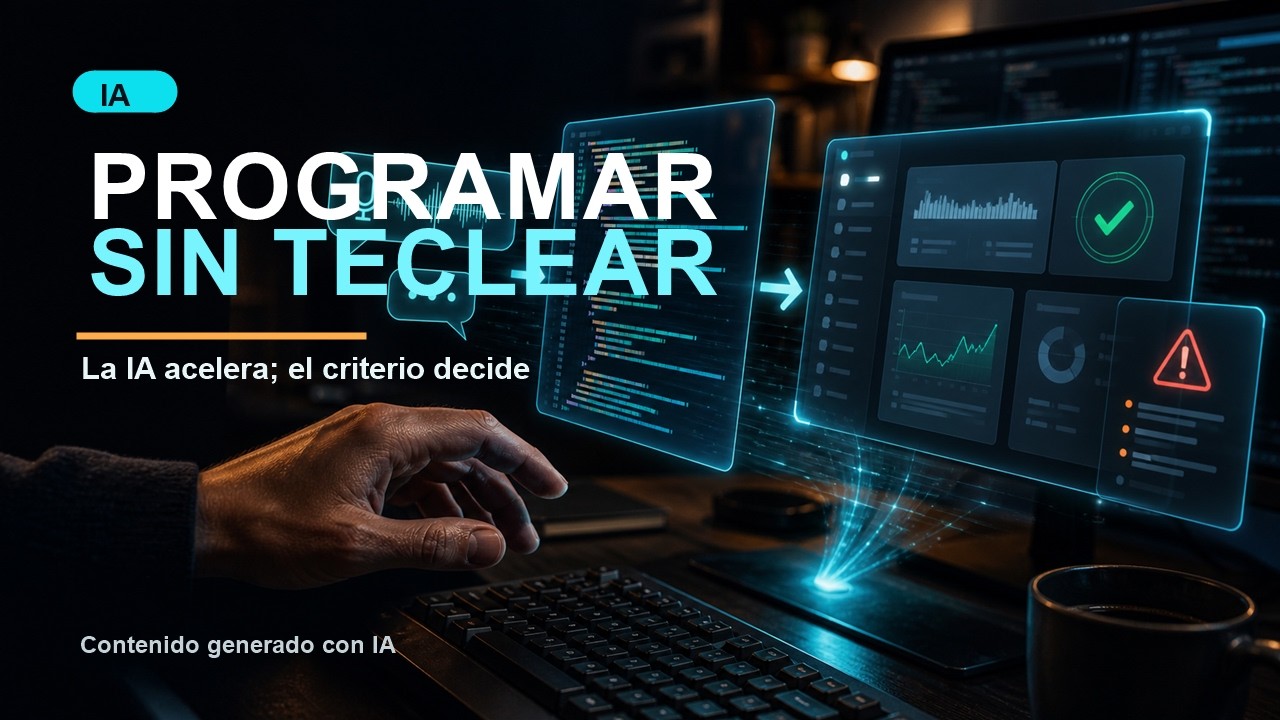
August 21, 2026
Vibe Coding: 3 Key Insights Into the Future of Programming with AI
Vibe coding, AI-powered programming, and artificial intelligence are changing how software is created. Discover what’s behind this revolution.
Vibe coding, AI-powered programming, and artificial intelligence are changing how software is created. Discover what’s behind this revolution.

What if the real problem with artificial intelligence wasn't creating software, but controlling all the software we can now create?

Two agents can deliver the same software patch… and only one may be truly reliable.

The rise of “vibe coding” doesn’t signal the end of software or the end of programmers. It signals something more interesting: the end of a barrier that for a long time separated those who had ideas from those who could turn them into tools. AI will make building more accessible and faster. That is an extraord

A parking lot where a car's license plate validates a payment and opens the barrier feels radically different from filling out a form. People perceive the result as modernity: frictionless access, visible security, more agile operations, services that respond to the real world. But the value isn't only in the effe
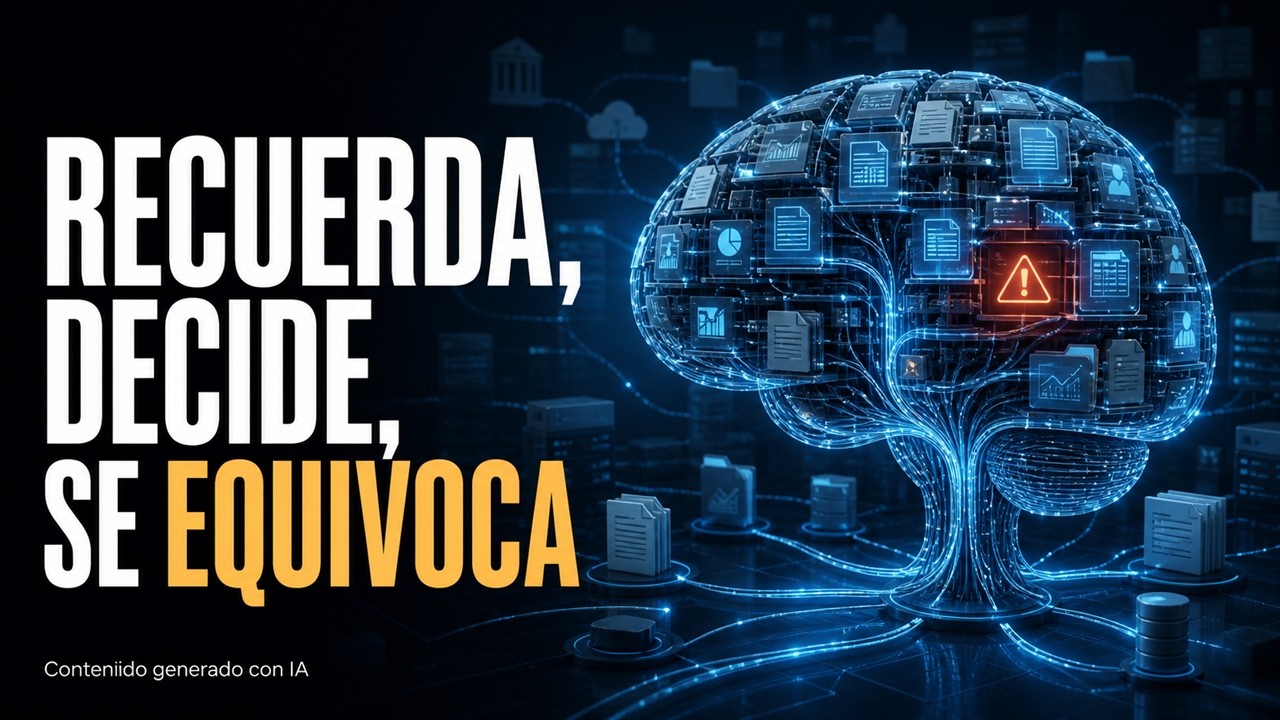
What is a digital brain? Discover how enterprise AI connects data, memory, and AI agents to improve decisions and coordinate actions.
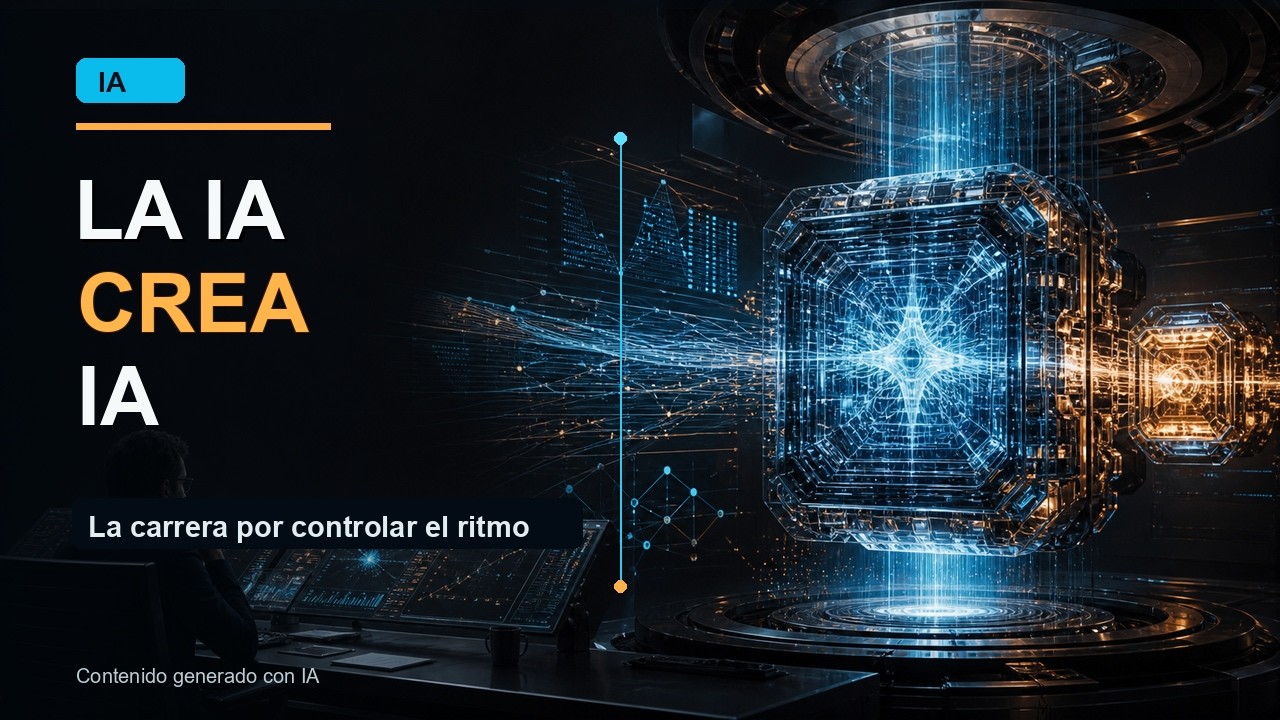
AI is already helping build the next AI. Anthropic is detecting signs of acceleration in research, programming, and model development.

What if a simple documentation file could try to give commands to your coding assistant?

GLM-5.3 puts AI and cybersecurity front and center: can it detect vulnerabilities before attackers do, or will it only generate more noise?

The paradox is this: you can use artificial intelligence every day and still not trust it.

So, what is the most realistic short-term risk? It's not an AI acting alone against thousands of companies from a dark room. It's an experienced researcher, defense team, or attacker who can now review more targets, faster, and with less repetitive work. That turns patching speed into a competitive security advantage. Exactly. Before, a vulnerability might depend on an expert spending days understanding a codebase. Now some of that work can be compressed. And if discovery speeds up, the time between “there's a flaw” and “someone can exploit it” may become shorter. That's why companies shouldn't respond only by buying a security assistant. They should review their fundamentals: asset inventory, updates, least privilege, multifactor authentication, and backups.

What if AI’s biggest leap weren’t thinking better, but letting you correct it instantly?