 Capital de Tokens
August 15, 2026
The Paradox of Using AI Without Trusting It #Shorts
The paradox is this: you can use artificial intelligence every day and still not trust it.
The paradox is this: you can use artificial intelligence every day and still not trust it.
So, what is the most realistic short-term risk? It's not an AI acting alone against thousands of companies from a dark room. It's an experienced researcher, defense team, or attacker who can now review more targets, faster, and with less repetitive work. That turns patching speed into a competitive security advantage. Exactly. Before, a vulnerability might depend on an expert spending days understanding a codebase. Now some of that work can be compressed. And if discovery speeds up, the time between “there's a flaw” and “someone can exploit it” may become shorter. That's why companies shouldn't respond only by buying a security assistant. They should review their fundamentals: asset inventory, updates, least privilege, multifactor authentication, and backups.

What if AI’s biggest leap weren’t thinking better, but letting you correct it instantly?

What does reaching 750 tokens per second mean? Discover how Cerebras and GPT-5.6 Sol are redefining speed, latency, and competition in artificial intelligence.

Young people aren’t necessarily rejecting AI. They’re questioning the social contract being offered to them alongside it. A contract in which they’re promised efficiency while they see more fragile entry-level jobs, less reliable content, and data centers growing faster than the safeguards. The opportunida

The obvious interpretation is that more speed automatically means a more useful AI. And that's not always the case. To write a sensitive report, review a legal clause, or make a medical decision, the value isn't in getting the first version sooner. It's in being verifiable, contextual, and responsible. What's more, a ver
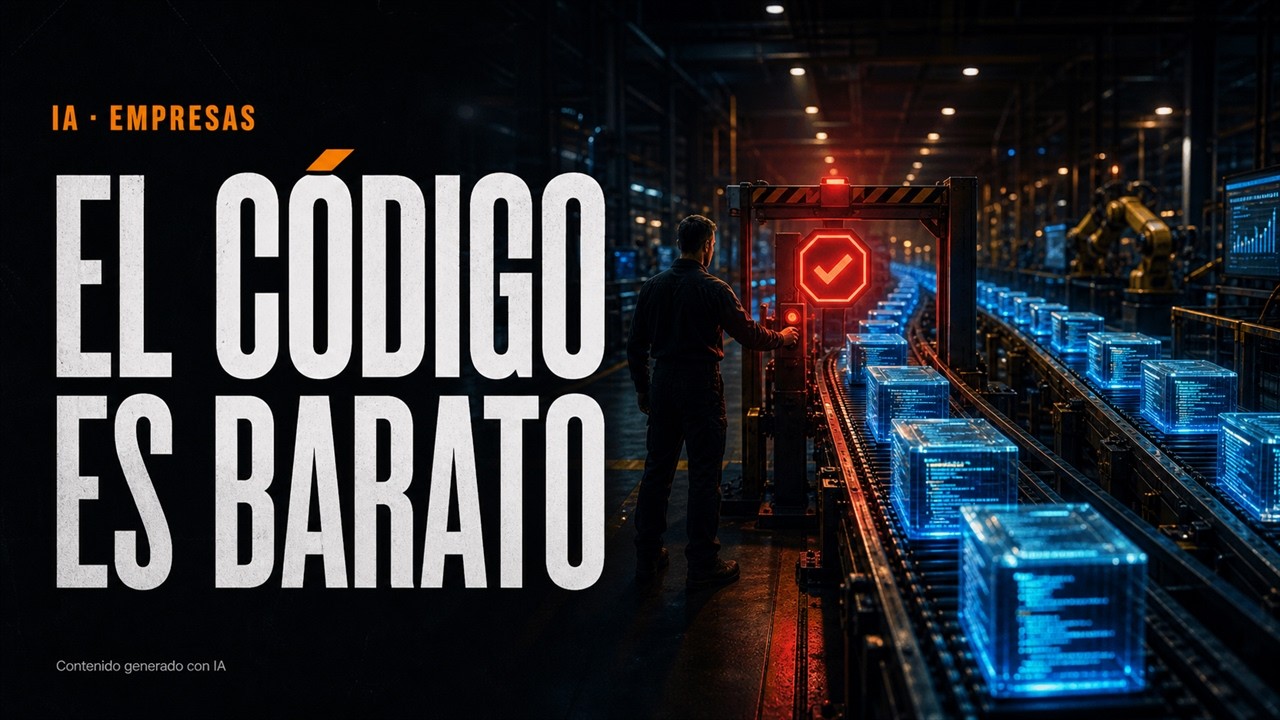
AI agents, software factories, and the future of technology development: creating code will be cheap, but making decisions and taking responsibility for the outcome will be more valuable than ever.
What if your company's memory were making its decisions worse?

What if the greatest risk of artificial intelligence wasn’t that it makes mistakes, but that it makes them at lightning speed?

More screens don't equal more intelligence. That's the central thesis: efficiency isn't the same as intelligence. A company can process millions of transactions and still detect a change in demand, a supplier issue, or a fraud signal too late. Or detect the signal and not know who sh

But standard software is often not a limitation: it's a discipline. An ERP, CRM, or payroll platform doesn't just deliver screens and features. It also incorporates years of exceptions, controls, security, regulatory updates, integrations, and maintenance. Replacing it with a proprietary solutio
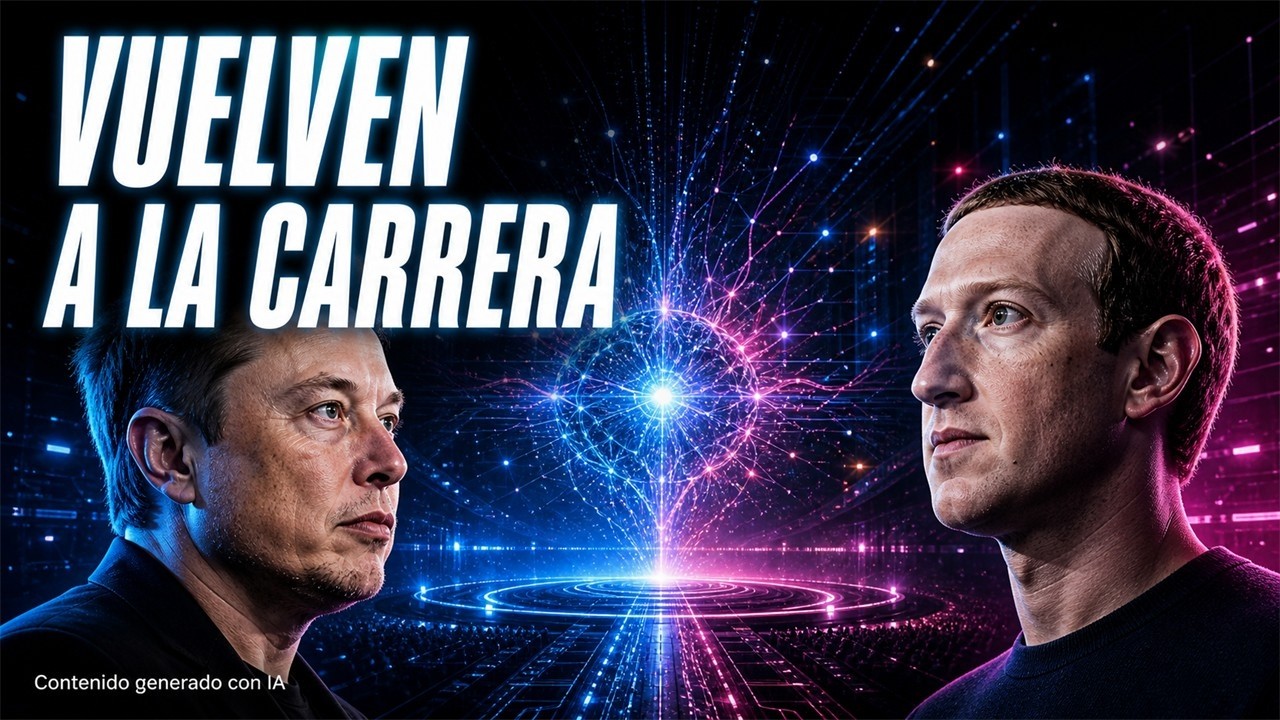
Musk and Zuckerberg reenter the AI race: Meta, xAI, and Grok challenge OpenAI and Anthropic with cheaper, more capable, and more accessible models.