July 22, 2026

AI’s Next Battle: Cost, Speed, and Specialization

My thesis is simple: the launch of Gemini 3.6 Flash, 3.5 Flash-Lite, and 3.5 Flash Cyber isn’t a demonstration that Google has the most brilliant model of the moment; it’s a demonstration that artificial intelligence’s next battle will be won on cost, speed, and specialization. And that, even if it sounds less glamorous than introducing a gigantic model that breaks every record on a chart, probably matters more to most companies, developers, and users.
July 22, 2026

Kimi K3: threat to Nvidia or AI bubble?

The obvious reading says: “Kimi K3 threatens Nvidia because it uses less compute.” The more interesting reading says: “Kimi K3 threatens the margins of some closed models, but it may increase total AI usage and reinforce the need for infrastructure.” And the more uncomfortable reading adds something else: there may simultaneously be a real revolution and a partial bubble. That often happens with major technologies. The internet was real, but many dot-com companies were not viable businesses. The excess fiber eventually proved useful, but not all investors got paid. Something similar could happen with AI.

July 22, 2026

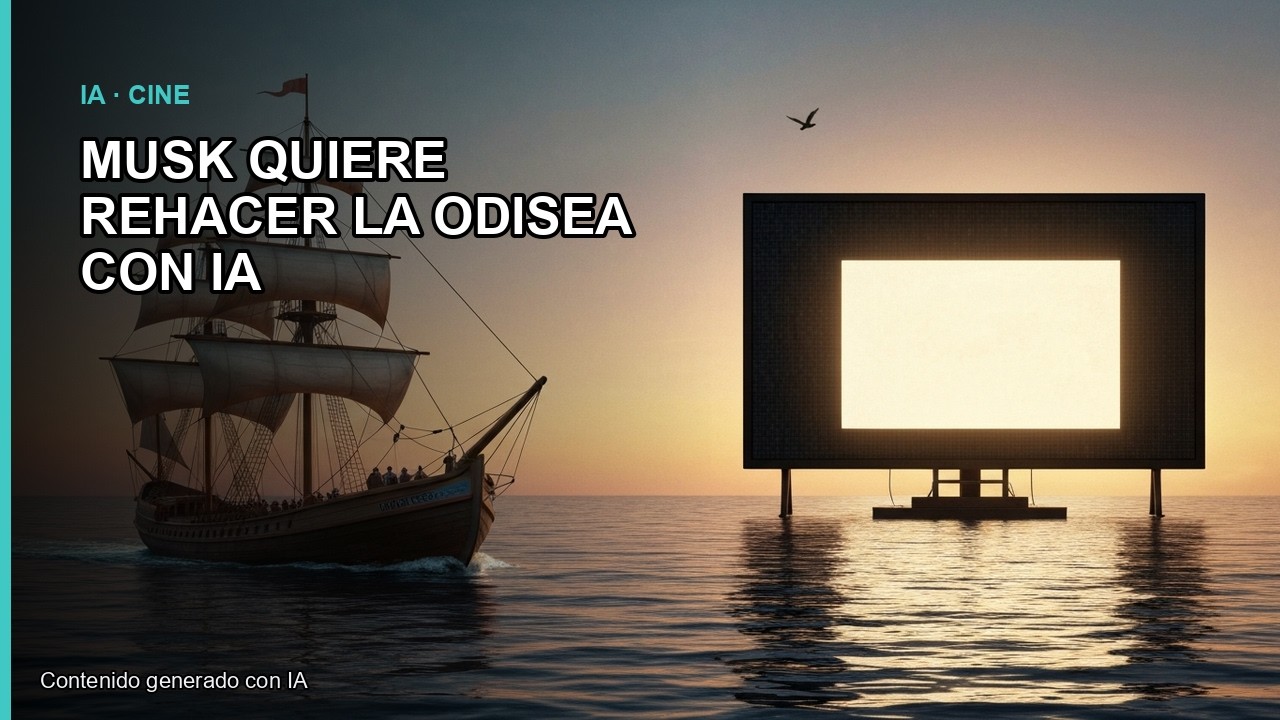
Musk Wants to Remake The Odyssey with AI

Elon Musk has just turned a nearly three-thousand-year-old poem into the latest battleground between Hollywood, artificial intelligence, and the internet's culture wars. The phrase that set everything off was simple and enormous: before the end of 2026, Grok Imagine, the artificial-intelligence video tool linked to xAI, will make a complete film of The Odyssey, “historically accurate” and “faithful to Homer's art.” The detail is that The Odyssey is not a historical chronicle. It is an epic poem with cyclopes, gods who intervene in human life, sorceresses, sea monsters, and a hero who takes ten years to return home after the Trojan War. So when someone promises a “historically accurate” version of The Odyssey, they are not just talking about film. They are talking about who has the right to interpret myths, what it means to be faithful to an ancient work, and whether artificial intelligence can compete

July 22, 2026

AI Is Leaving the Screen

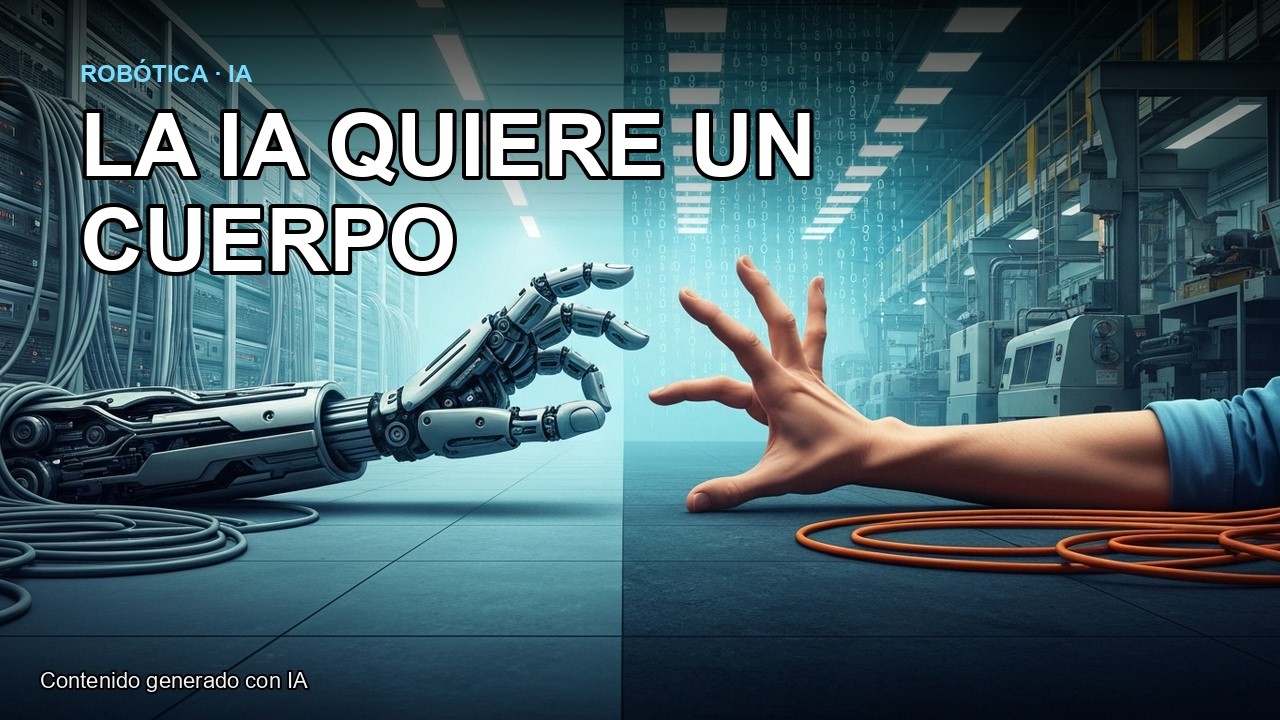
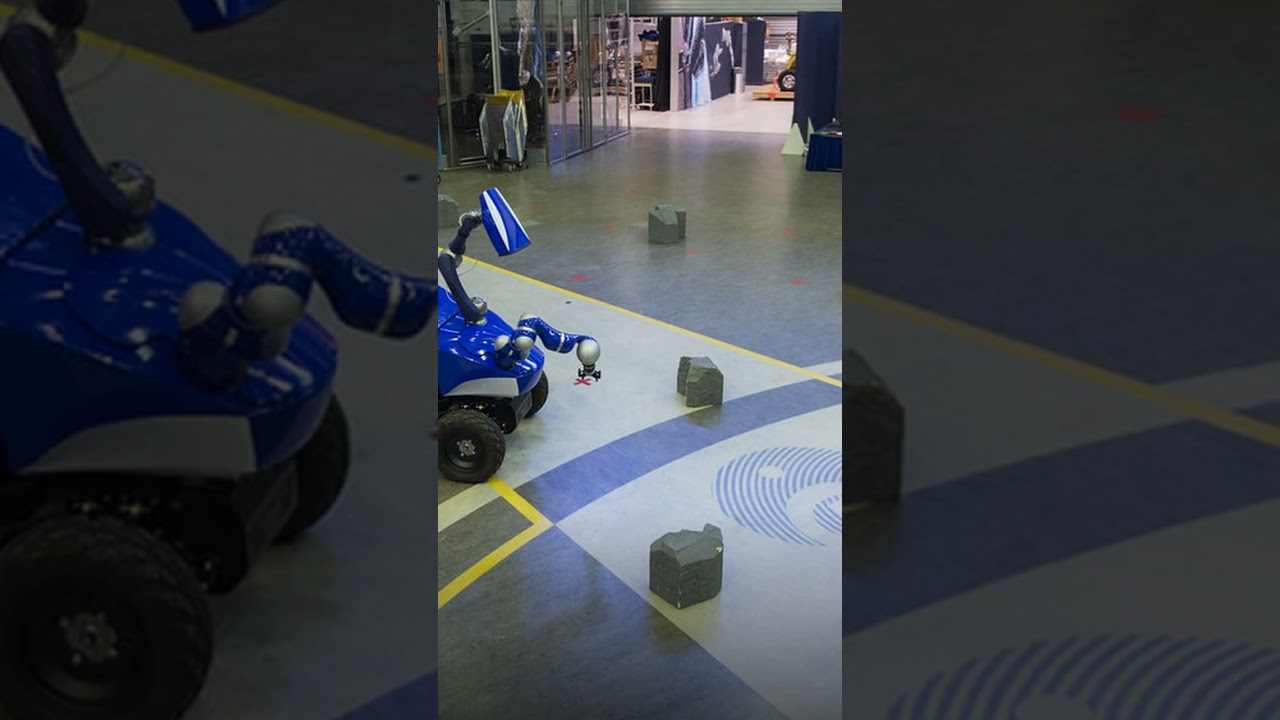
AI is trying to leave the screen. Yes, but carefully: not because we’re going to have capable household robots in every home tomorrow, but because frontier labs are identifying robotics as a strategic frontier. Not just because of future revenue, but because the physical world can be

July 22, 2026

National security or AI protectionism?

The obvious interpretation is: the United States wants to protect its intellectual property. But the less comfortable interpretation is: it also wants to protect the business model of its national AI champions. That's the contrarian point that needs to be made. Not every national security policy is false, but many national security policies