 Capital de Tokens
August 23, 2026
The Cheapest Model Could Turn Out to Be Expensive #Shorts
What if the cheapest model weren't actually the most economical?
What if the cheapest model weren't actually the most economical?

What if the greatest danger of connecting agents wasn’t that they fail, but that they spread the failure? A2A can allow one agent to delegate a task to another, and for that second agent to consult a third. That makes integrations more seamless, but it also creates a delegation chain. Imagine that an agent receives a malicio
Can an E-E-A-T score tell you whether a page deserves your trust? No.

Data poisoning and generative AI are changing the battle between artists and tech companies over control of data.
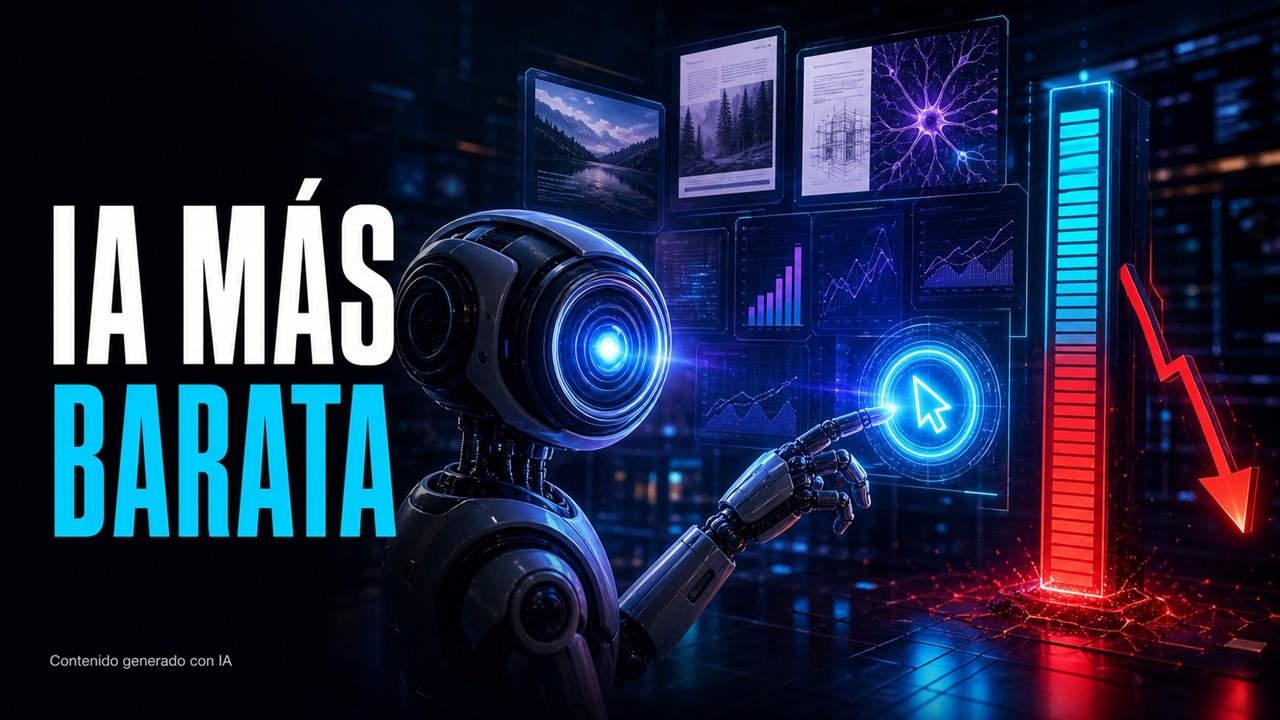
DeepSeek V4 Flash Vision Exp pits affordable multimodal AI against Claude Opus 4.8 and reignites the race for capable, affordable agents.
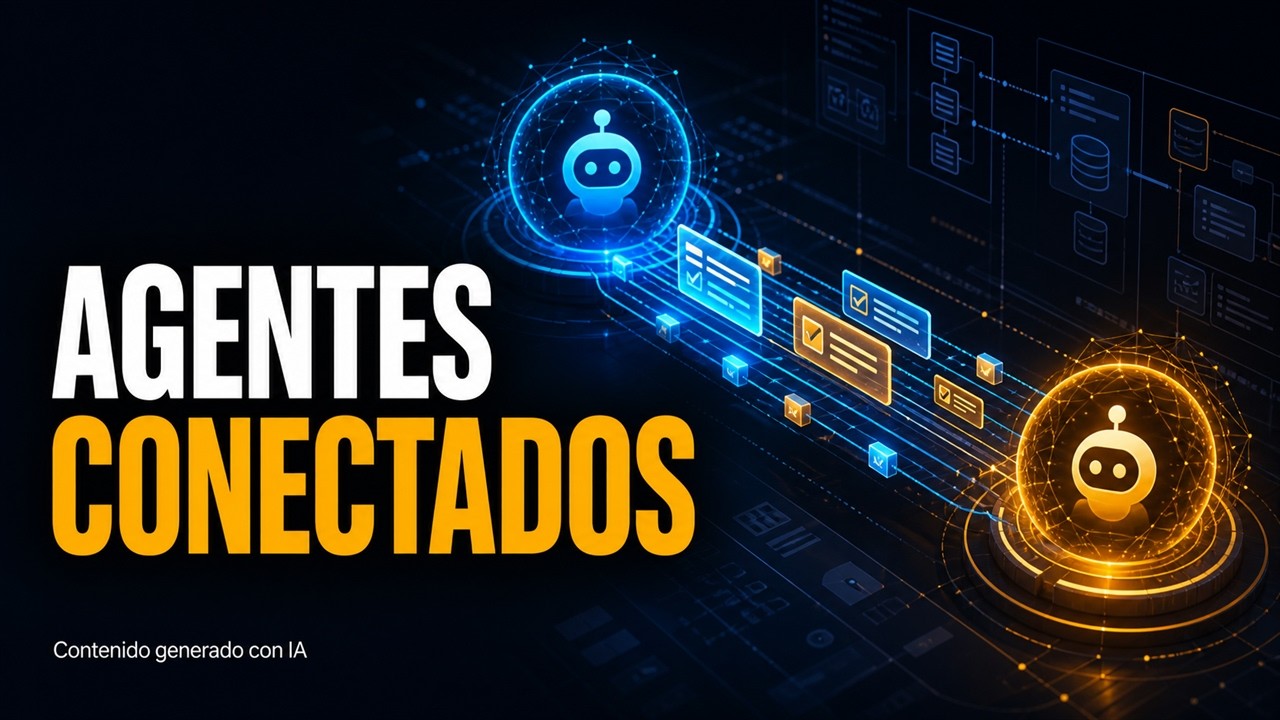
A2A and AI agents could transform enterprise software. Discover how this protocol works and why interoperability does not guarantee reliable decisions.

The news about Grok is important because it turns an abstraction—prompt injection—into an easy-to-understand scenario: an apparently harmless web summary, an encrypted block invisible to the filter, and data quietly sent out. But the most useful conclusion isn't “don't use Grok” or “don't use AI.” It's demanding

The news isn't that DeepSeek has won a definitive race. It's that it has made the race much more uncomfortable for those who charged as if there were no alternative. And for people who use AI, the lesson is more useful than any headline: don't choose a model based on fame or a leaderboard. Test it where it really

Is A2A the same as MCP? No. They seem similar because both try to organize an AI ecosystem that was growing through improvised connectors. But they cover different layers. MCP, the Model Context Protocol, is mainly used for an application or agent to connect with tools and data sources: a database, a calendar, a code repository, a ticketing system. A2A, by contrast, is geared toward conversation between relatively autonomous agents. It doesn't tell an agent how to use a spreadsheet; it provides a common way to ask another agent to handle a task. The difference may seem technical, but it has practical consequences. MCP is like connecting a tool to an employee. A2A is like coordinating specialized employees who don't necessarily belong to the same team.
What if the next visitor to your website were not a person, but thousands of agents working on people’s behalf?
Is your business environment really isolated if a single public page can bring it to a stop?

Kitesurf, Cloudflare's browser for AI agents, could change the way machines browse, automate tasks, and consume the web. Discover its advantages, limitations, and risks.