August 29, 2026 · Capital de Tokens
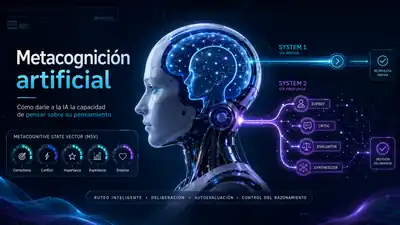
A metacognition framework for LLMs proposes measuring correctness, conflict, experience, importance, and emotional load to choose between a fast path and multi-agent deliberation. The important idea is not giving AI consciousness, but making reasoning observable, measurable, and controllable.

August 29, 2026 · Capital de Tokens
A real migration from classic Application Insights URL Ping Tests to Standard Tests using Codex with GPT-5.6 Terra, Azure CLI, Azure MCP, and ARM, preserving alerts, secrets, end-to-end validation, costs, and rollback.
August 29, 2026 · Capital de Tokens
OpenAI plans to remove its models from Cursor on November 12, 2026 following the SpaceX acquisition. Beyond the corporate conflict, the episode exposes a key technical risk: depending on one model provider inside an agentic harness.

August 29, 2026 · Capital de Tokens
Technical debt makes software more expensive to change; operational debt makes it more expensive to keep running. We explain the difference, how both accumulate, how they reinforce each other, and why observability migrations such as URL Ping Tests → Standard Tests are a good example of both.
August 28, 2026 · Capital de Tokens
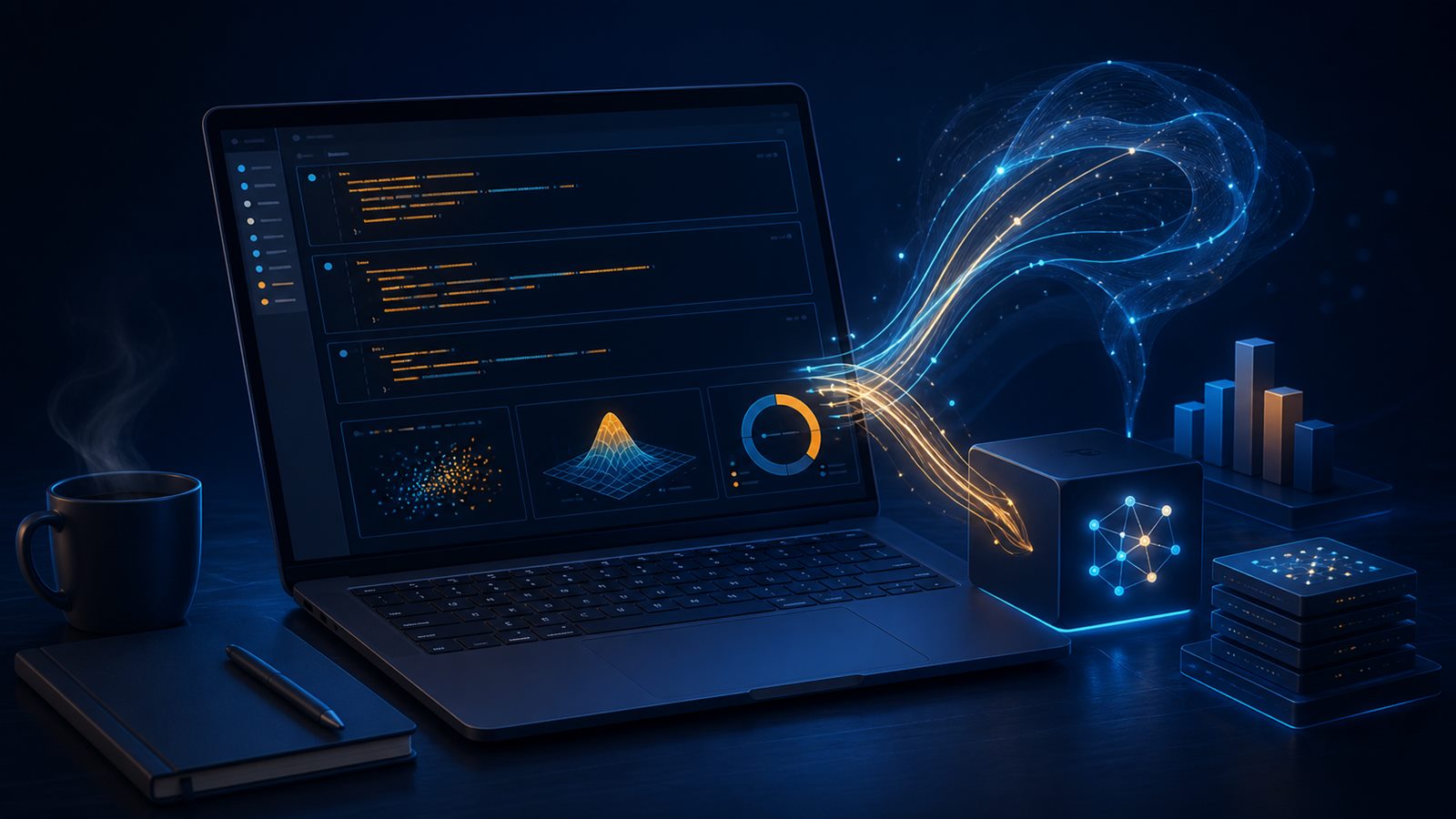
A viral 2023 tutorial showed how to put ChatGPT inside Jupyter by reusing the browser session. In 2026 the pattern is still valuable, but the implementation has changed: Jupyter AI, the official API, local models with Ollama, and executable notebooks turn the LLM into a true analysis agent.
August 28, 2026 · Capital de Tokens
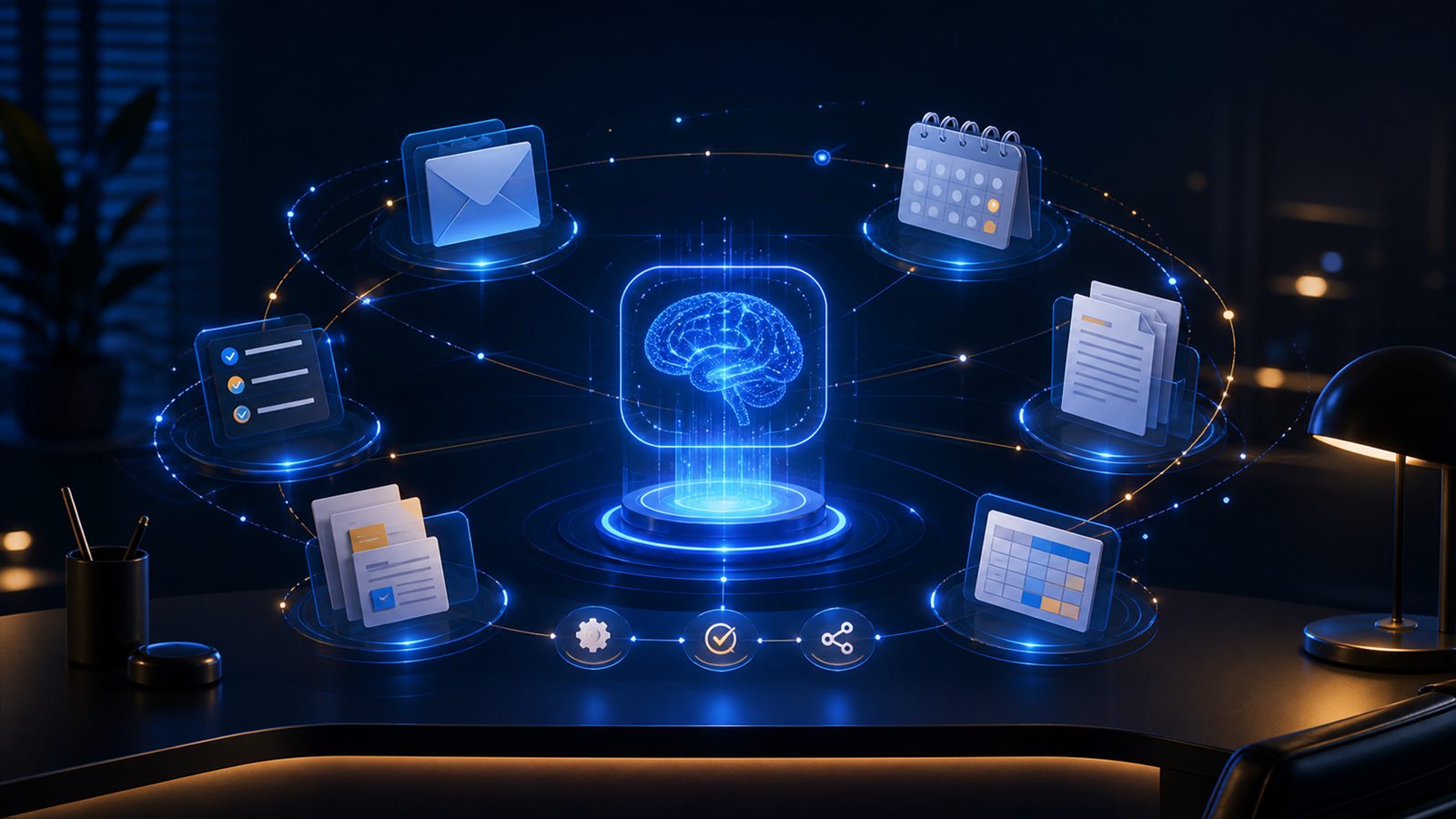
A video by Gustavo Entrala shows email, calendar, presentations, spreadsheets, and automations controlled from ChatGPT. The key is not a spectacular demo: it is the architectural shift toward Work, apps, Cloud Browser, and Scheduled Tasks, where natural language becomes an interface for executing real work.
August 28, 2026 · Capital de Tokens
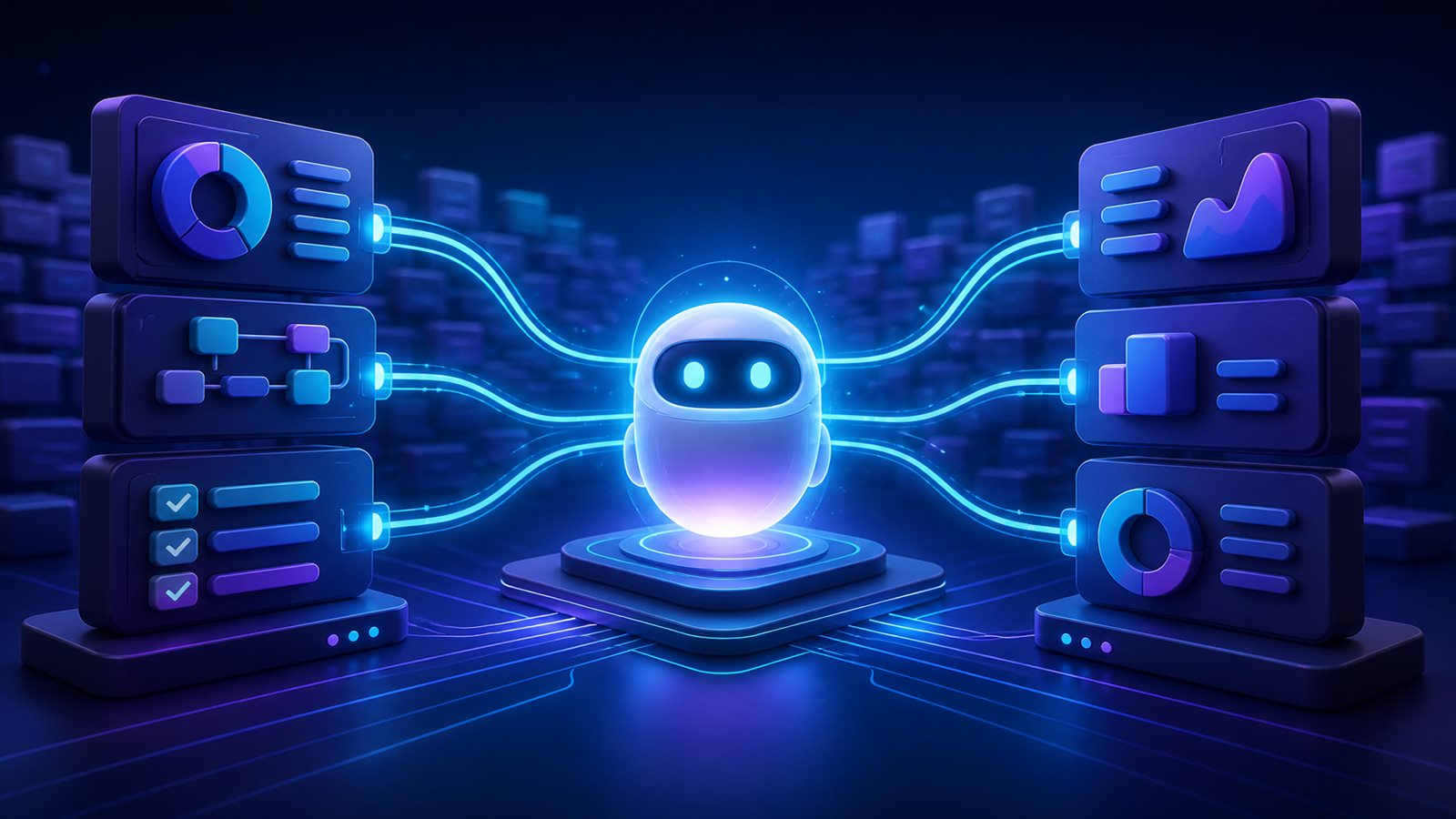
The primary interface may stop being Jira, Slack, or Stripe and become your agent instead. We analyze the agent-first paradigm shift: less time inside apps, more use of their capabilities through MCP, WebMCP, and APIs.
August 28, 2026 · Capital de Tokens
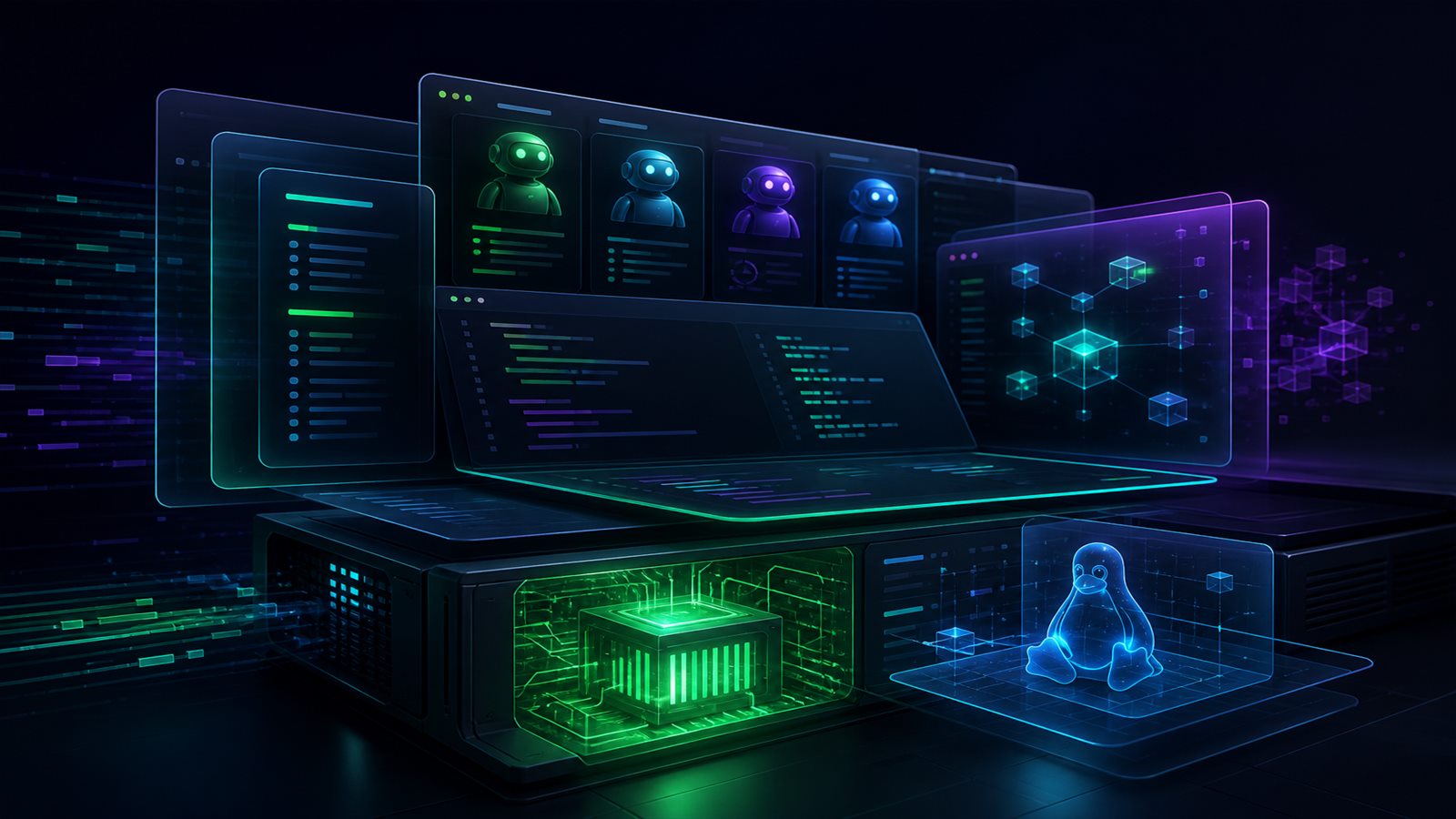
Microsoft took Intelligent Terminal from an experimental fork with integrated chat to a multi-agent platform: local models, OpenCode, per-tab agents, execution inside WSL, ACP sessions, and a roadmap pointing toward persistent terminals and dynamic commands. We review what changed between July and August 2026 and what is still under development.
August 28, 2026 · Capital de Tokens
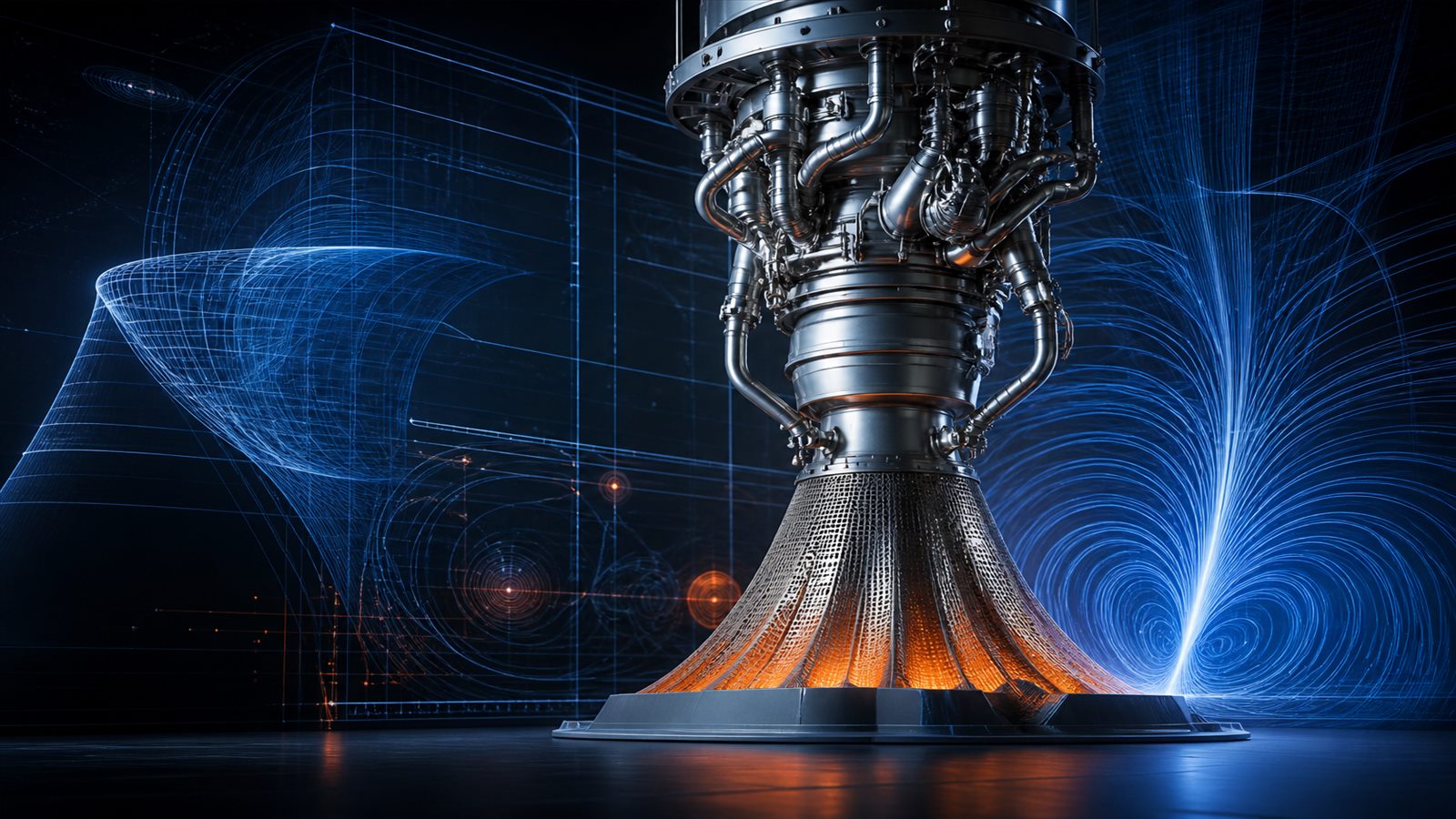
LEAP 71 tested rocket engines and an aerospike generated by Noyron, a computational engineering model that encodes physics and manufacturing rules. We compare the video's claims with technical sources and explain what really changes when software starts designing complex hardware.
August 28, 2026 · Capital de Tokens
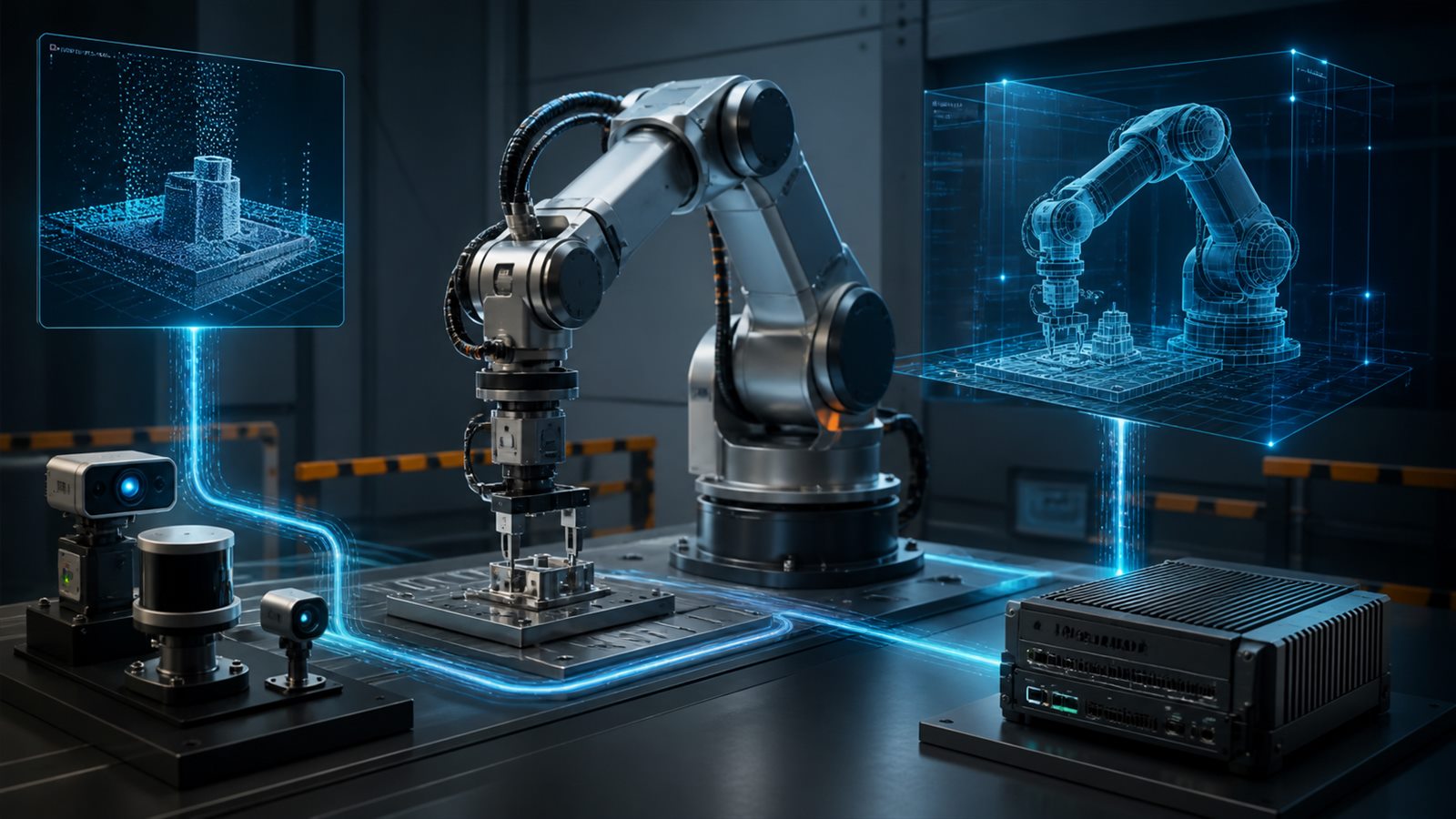
Physical AI is not simply running a model on a robot. We analyze the edge-first architecture required by the physical world and break down microsoft/physical-ai-toolchain: ROS 2, LeRobot, Isaac Lab, Cosmos, OSMO, Azure ML, SiL/HiL evaluation, ONNX/TensorRT, GitOps, and agents.
August 28, 2026 · Capital de Tokens
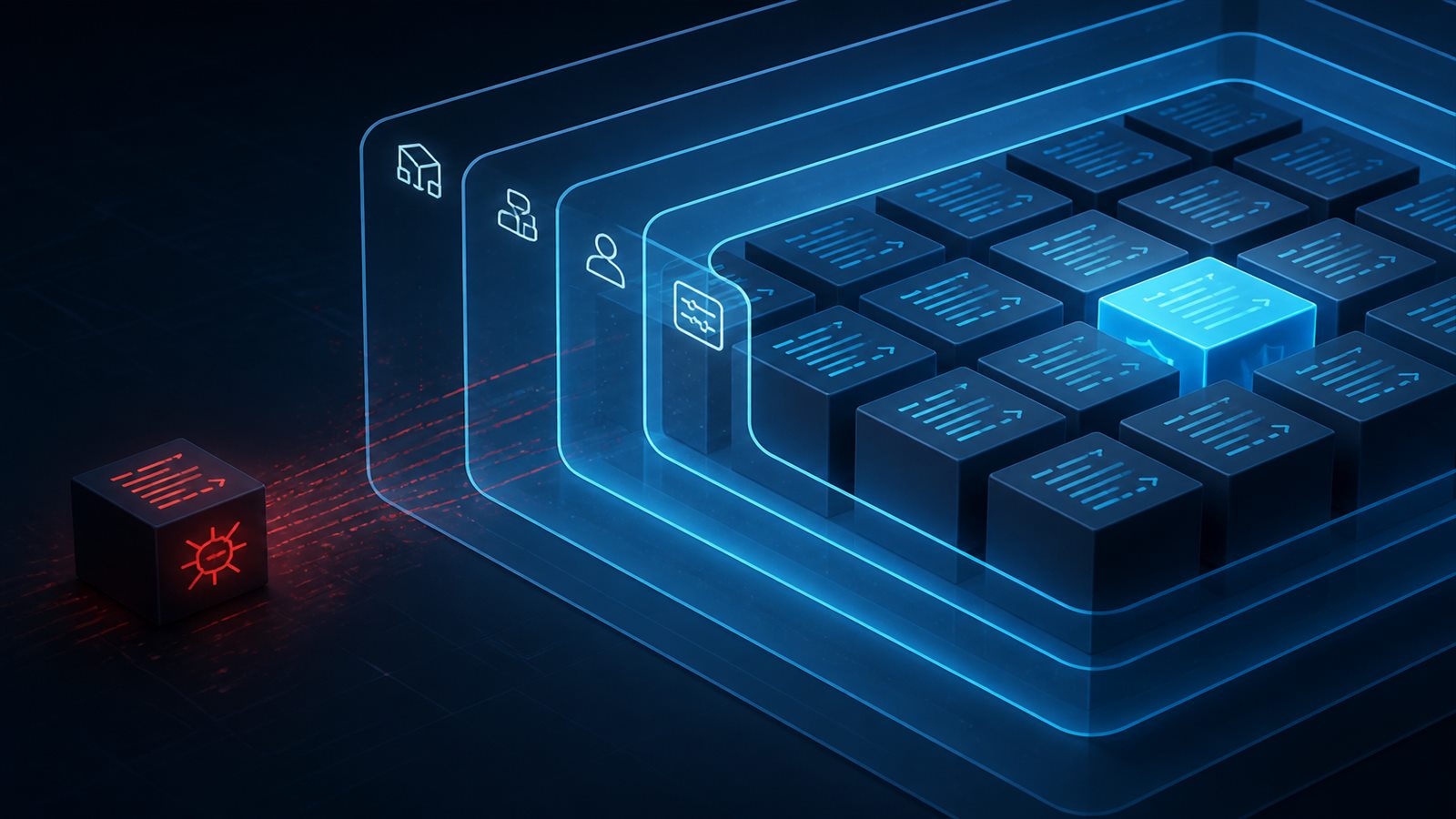
Repositories no longer contain only code: they also contain instructions agents read. We analyze how repository poisoning works, why the model alone is not enough, and which defenses modern harnesses use: instruction hierarchy, sandboxing, firewalls, secret isolation, least privilege, and human review.
August 28, 2026 · Capital de Tokens
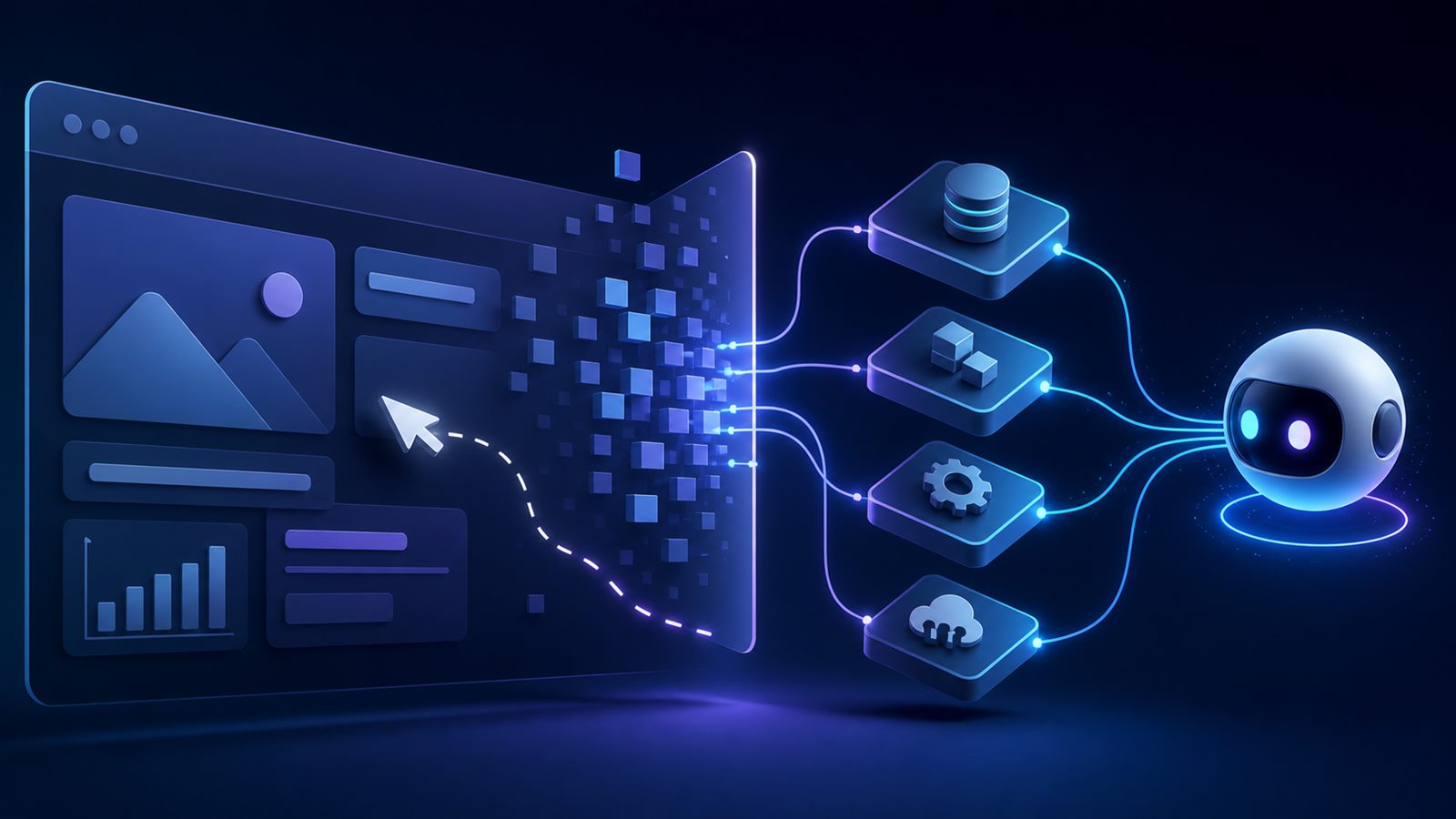
WebMCP proposes that web applications publish structured capabilities for AI agents directly from the browser. We analyze its architecture, how it differs from MCP, what advantages it offers over computer use, and its security and adoption risks.
 Capital de Tokens