September 11, 2026 · Capital de Tokens
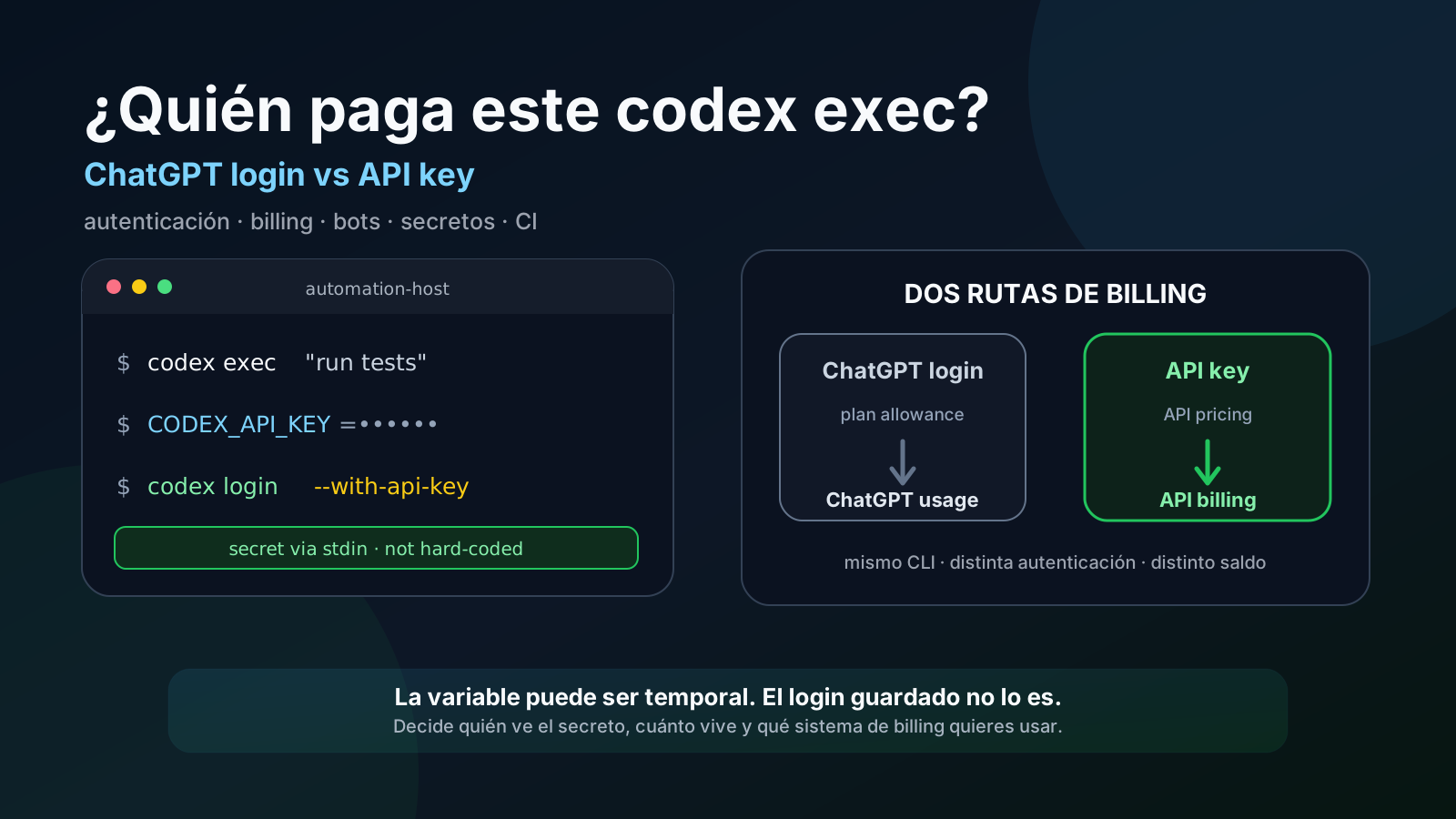
A practical guide to separating ChatGPT credits from API credits, running Codex with API billing, using `codex login --with-api-key`, and configuring Linux automation without exposing credentials.
September 11, 2026 · Capital de Tokens
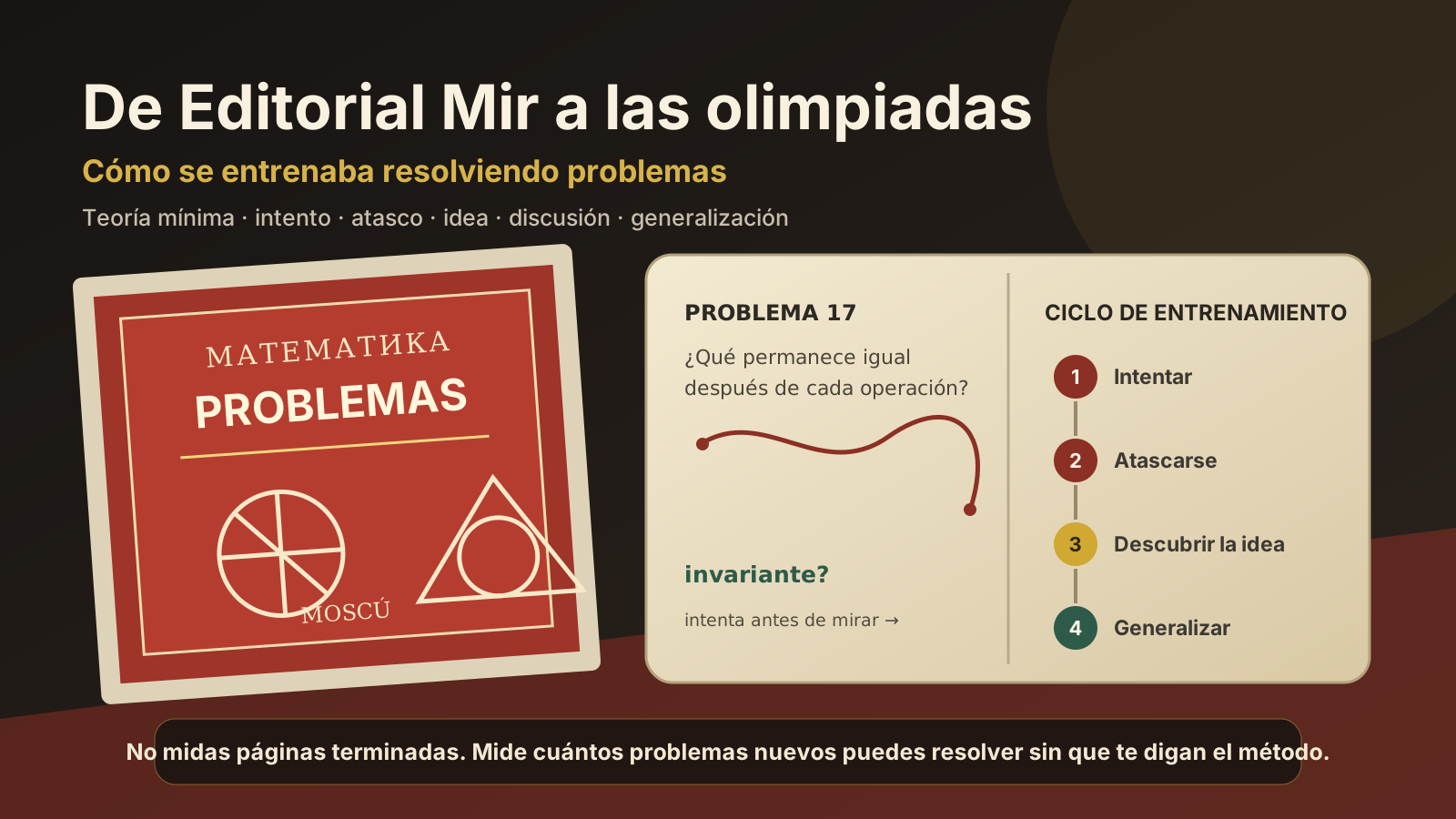
How Soviet problem books, mathematical circles, and books such as Demidovich and Irodov fit into a problem-first culture of trying, failing, comparing solutions, and extracting reusable ideas.
September 11, 2026 · Capital de Tokens
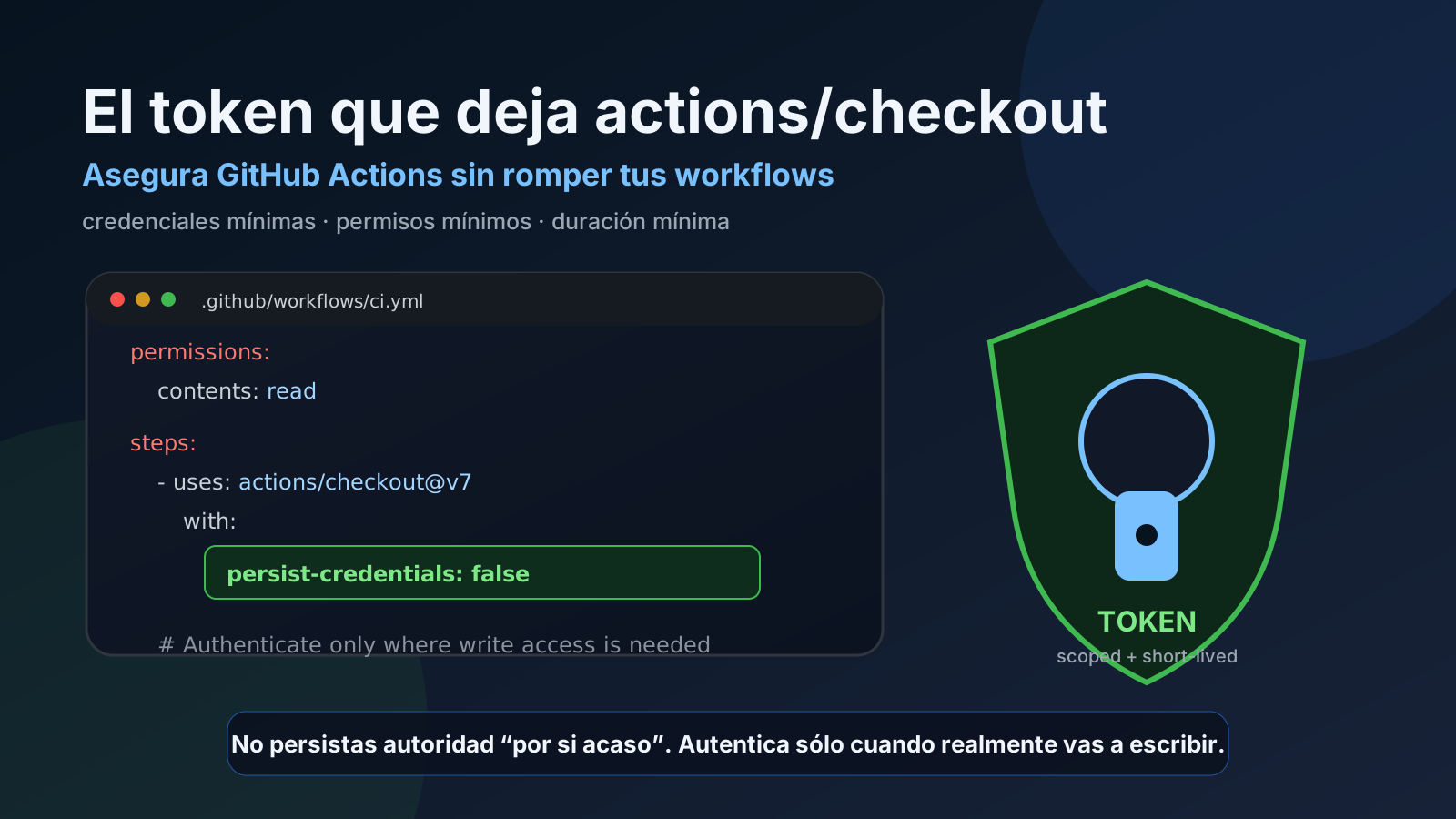
What persist-credentials really does, how actions/checkout changed in v6, and how to reduce credential exposure without breaking git push, tags, or legitimate automation.
September 10, 2026 · Capital de Tokens
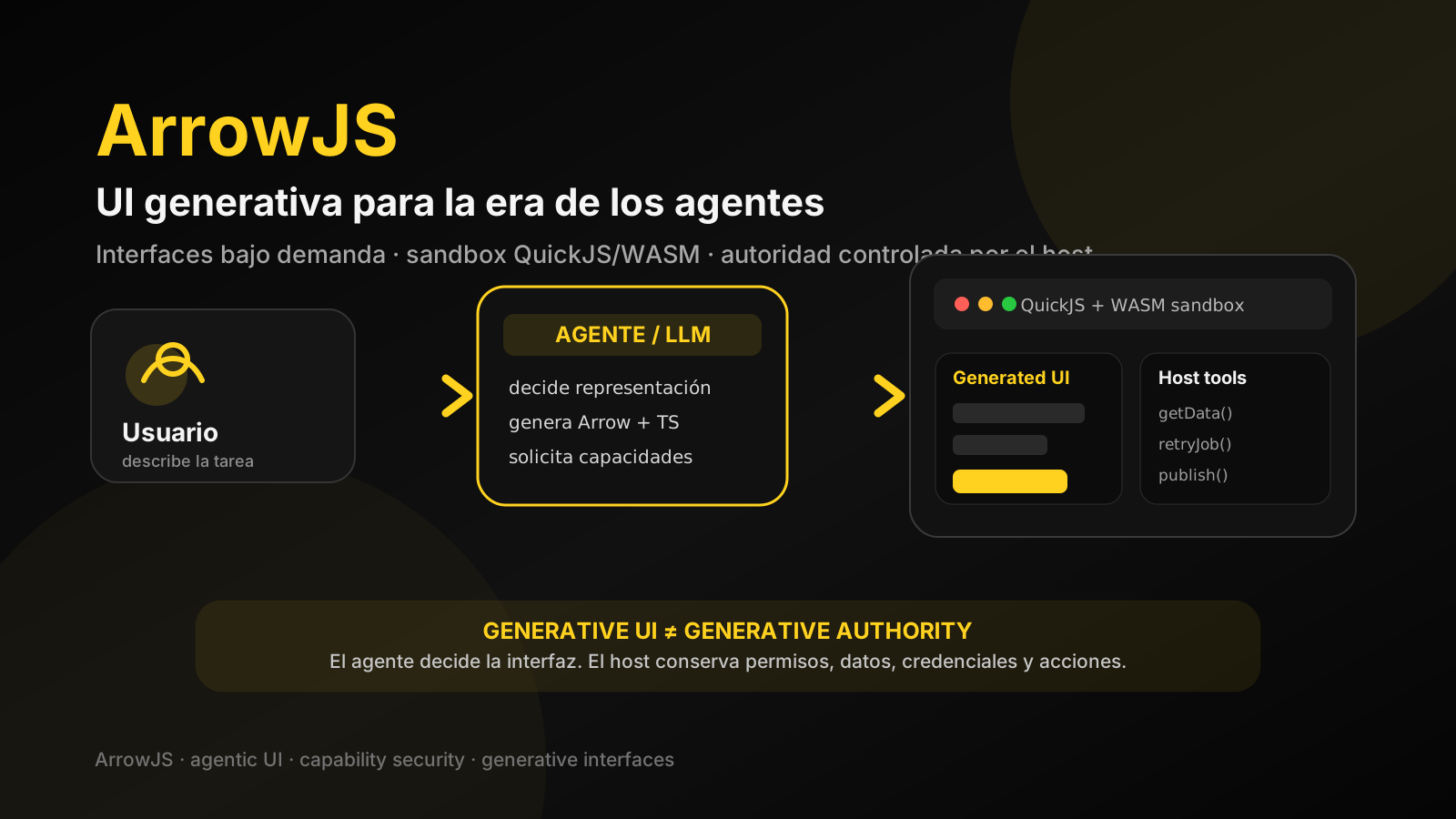
ArrowJS proposes something more interesting than a tiny framework: run agent-generated UI inside QuickJS/WASM, keep DOM ownership and authority in the host, and expose only explicitly allowed tools.
September 10, 2026 · Capital de Tokens
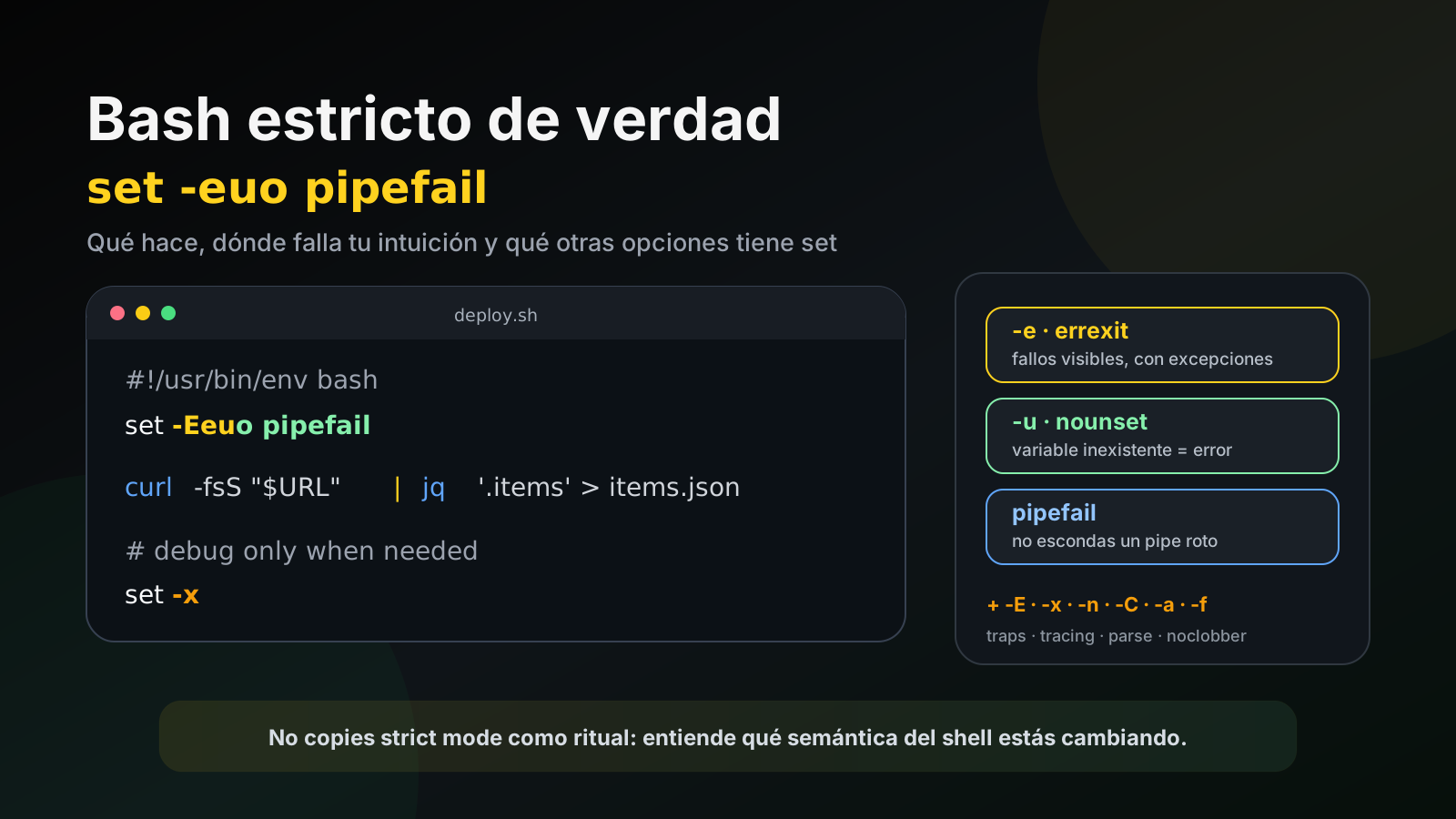
A practical guide to `set -euo pipefail`, its traps around pipelines, conditionals, and subshells, plus useful Bash options such as `-x`, `-E`, `-C`, `-a`, `-f`, and `-n`.
September 10, 2026 · Capital de Tokens
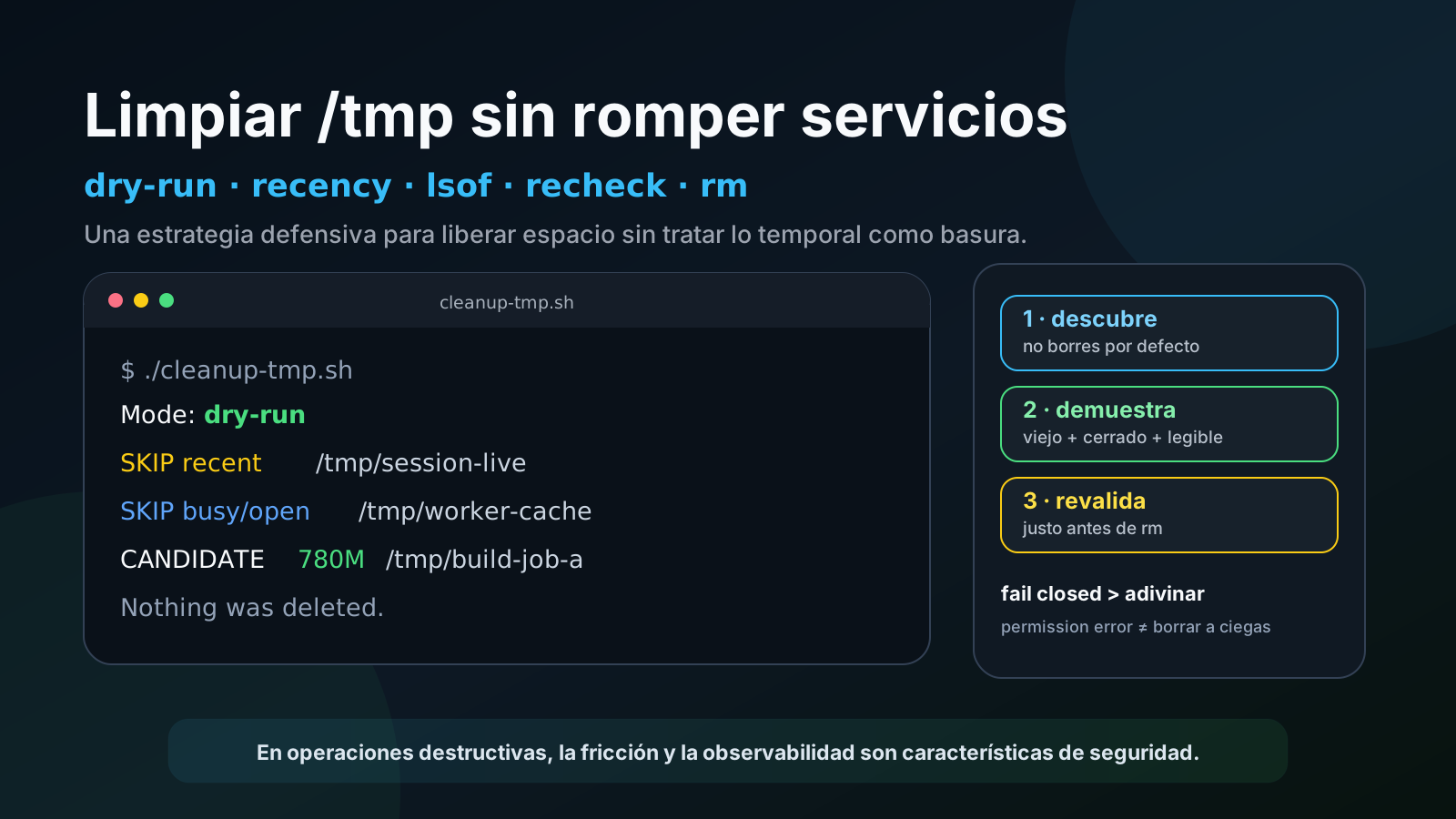
A practical case study in building a conservative `/tmp` cleanup tool: candidate discovery, recursive age checks, open-file detection, permission failures, and race-window reduction before `rm -rf`.
September 8, 2026 · Capital de Tokens
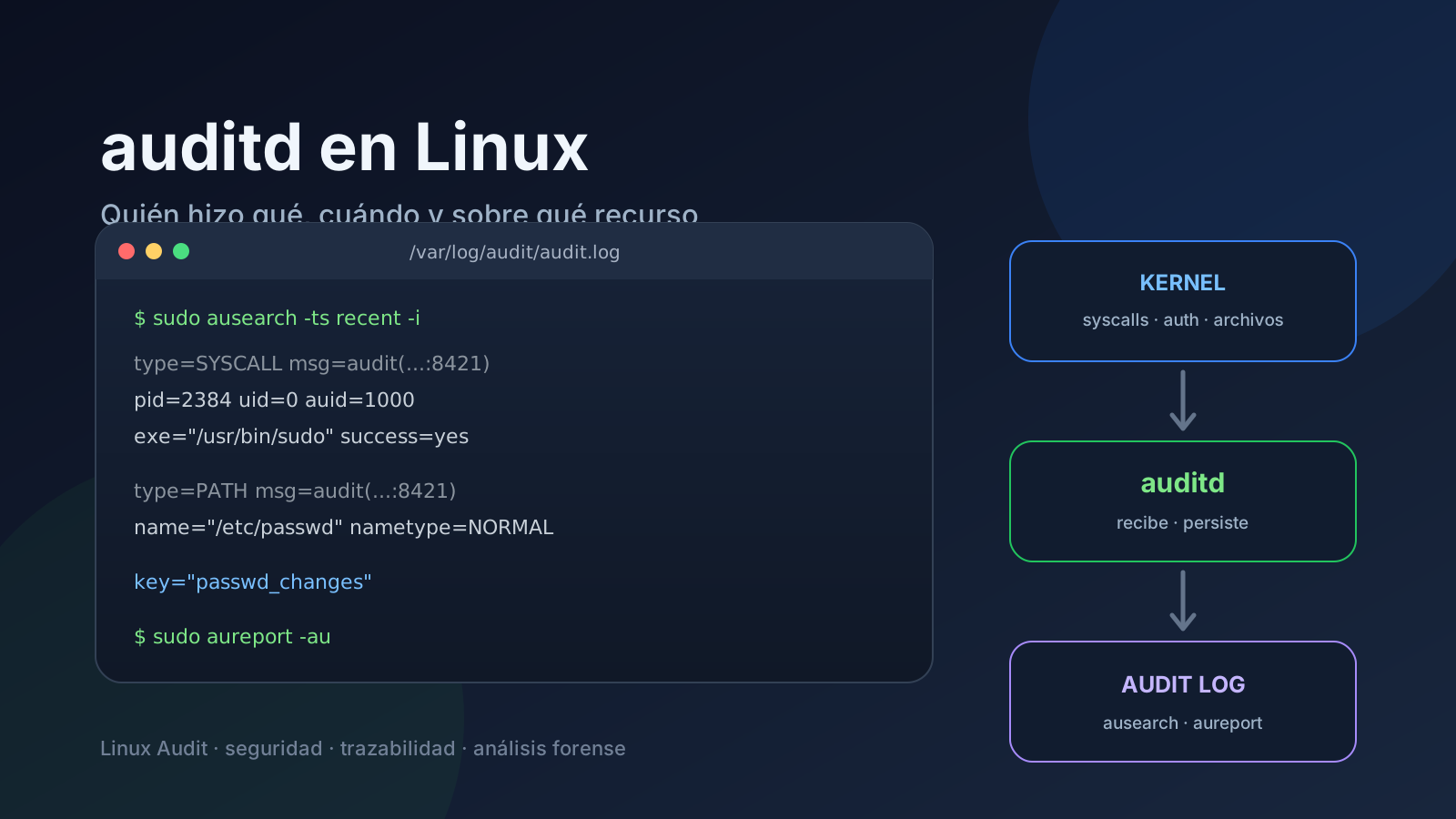
A practical guide to Linux Audit: what auditd does, how events are structured, where they are stored, how to search with ausearch, and how to summarize activity with aureport.
September 8, 2026 · Capital de Tokens
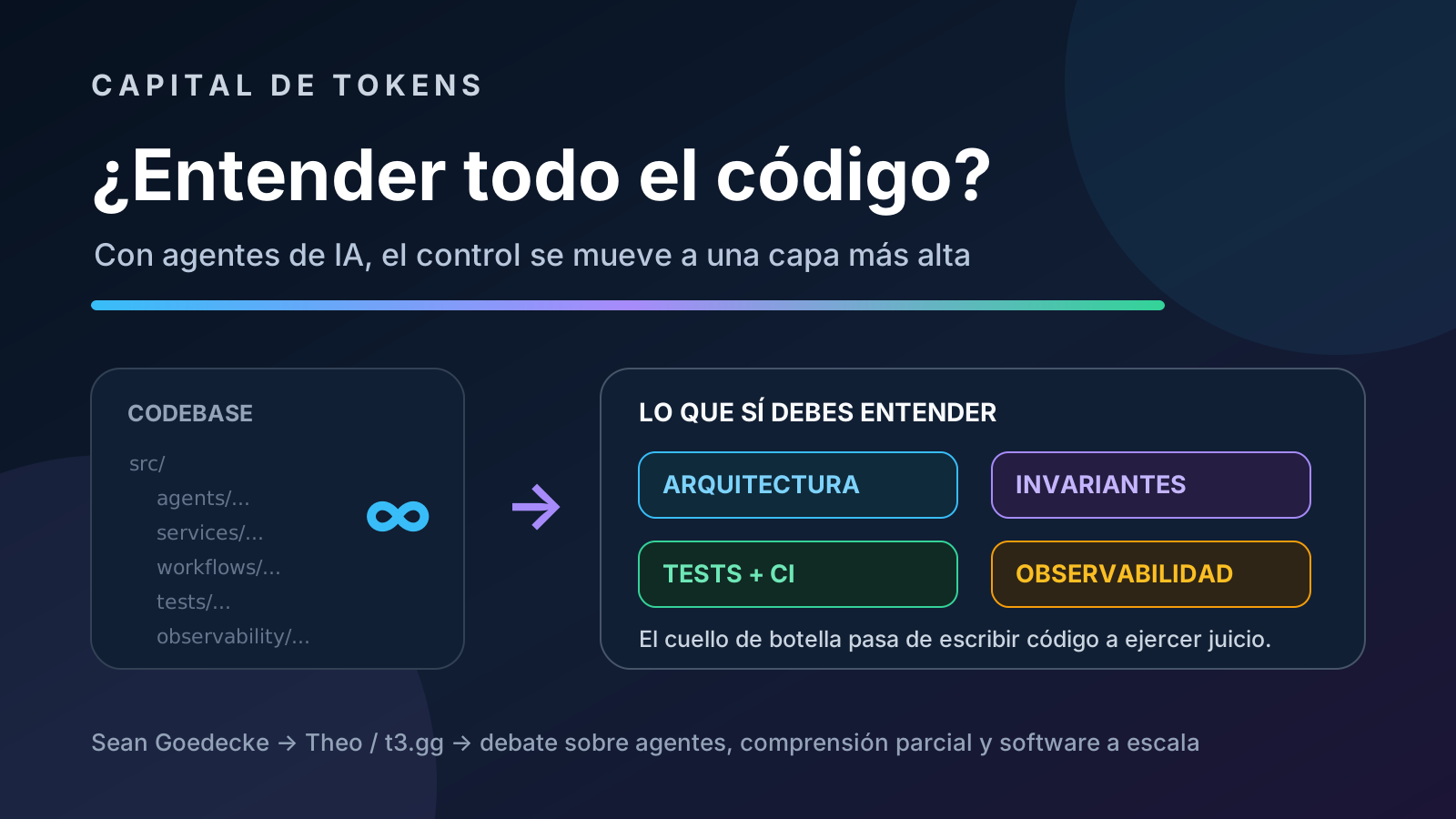
Nobody understands every line of a large software system. As AI agents generate code at unprecedented scale, engineering shifts toward architecture, invariants, tests, observability, and judgment.
September 8, 2026 · Capital de Tokens
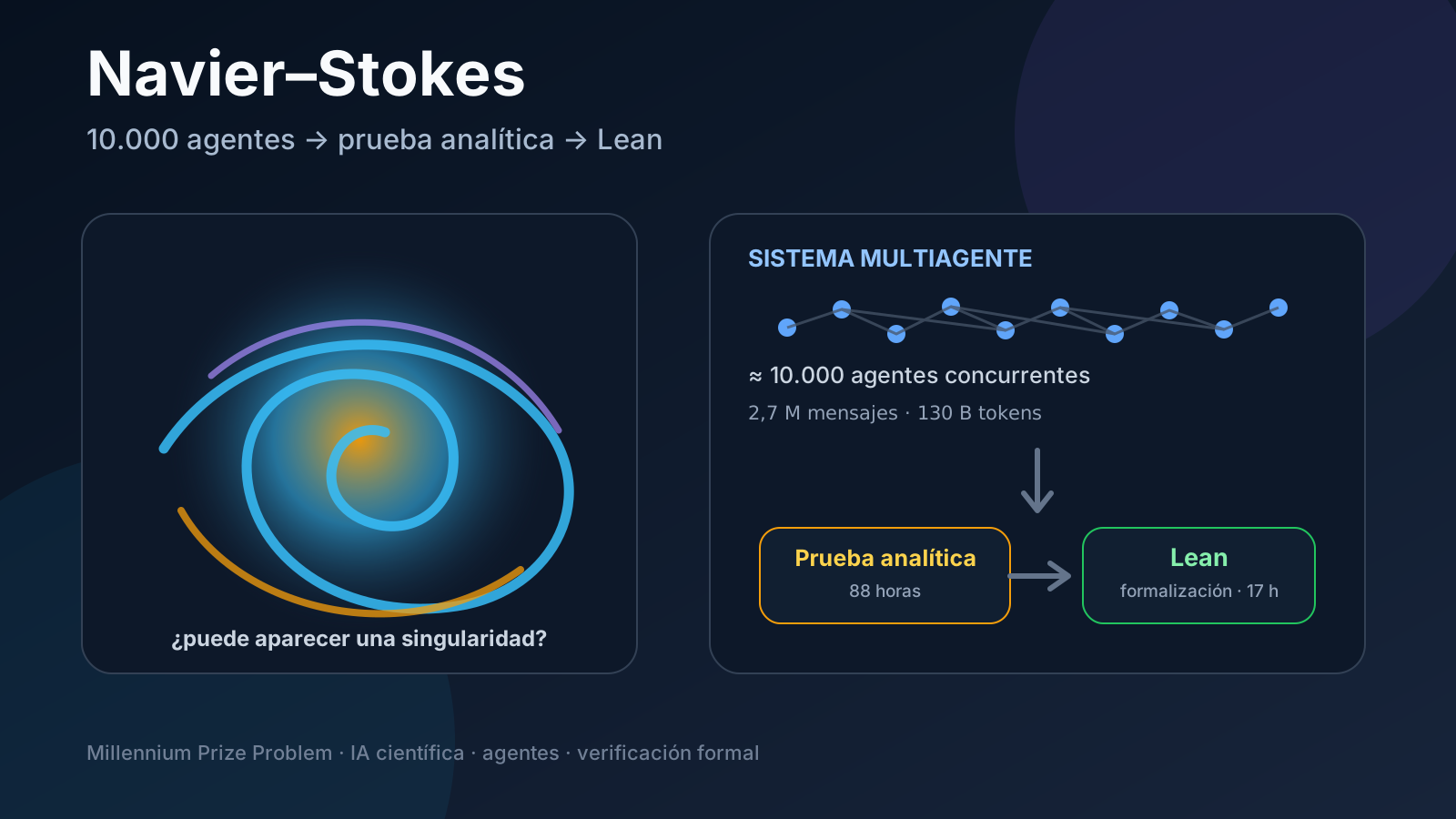
OpenAI published a proposed solution to the Navier–Stokes existence and smoothness problem. We explain what it claims, how it used roughly 10,000 agents and Lean, why the problem is not officially closed yet, and what the seven one-million-dollar Millennium Prize Problems are.
September 8, 2026 · Capital de Tokens
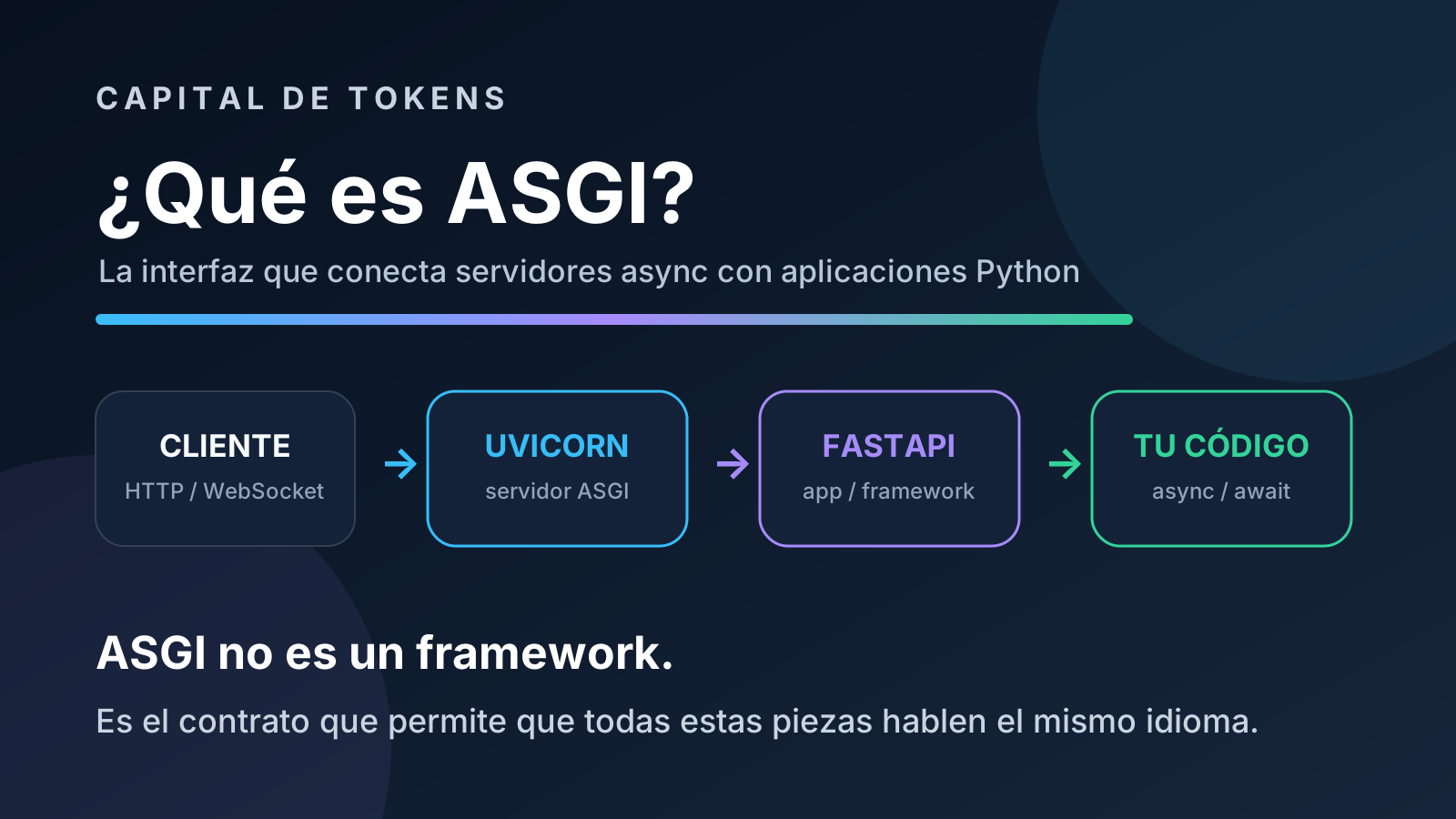
ASGI is the contract that connects asynchronous web servers with Python applications. Understanding it clarifies what Uvicorn, FastAPI, Starlette, and Django do, why WebSockets fit naturally, and what changes compared with WSGI.
September 8, 2026 · Capital de Tokens
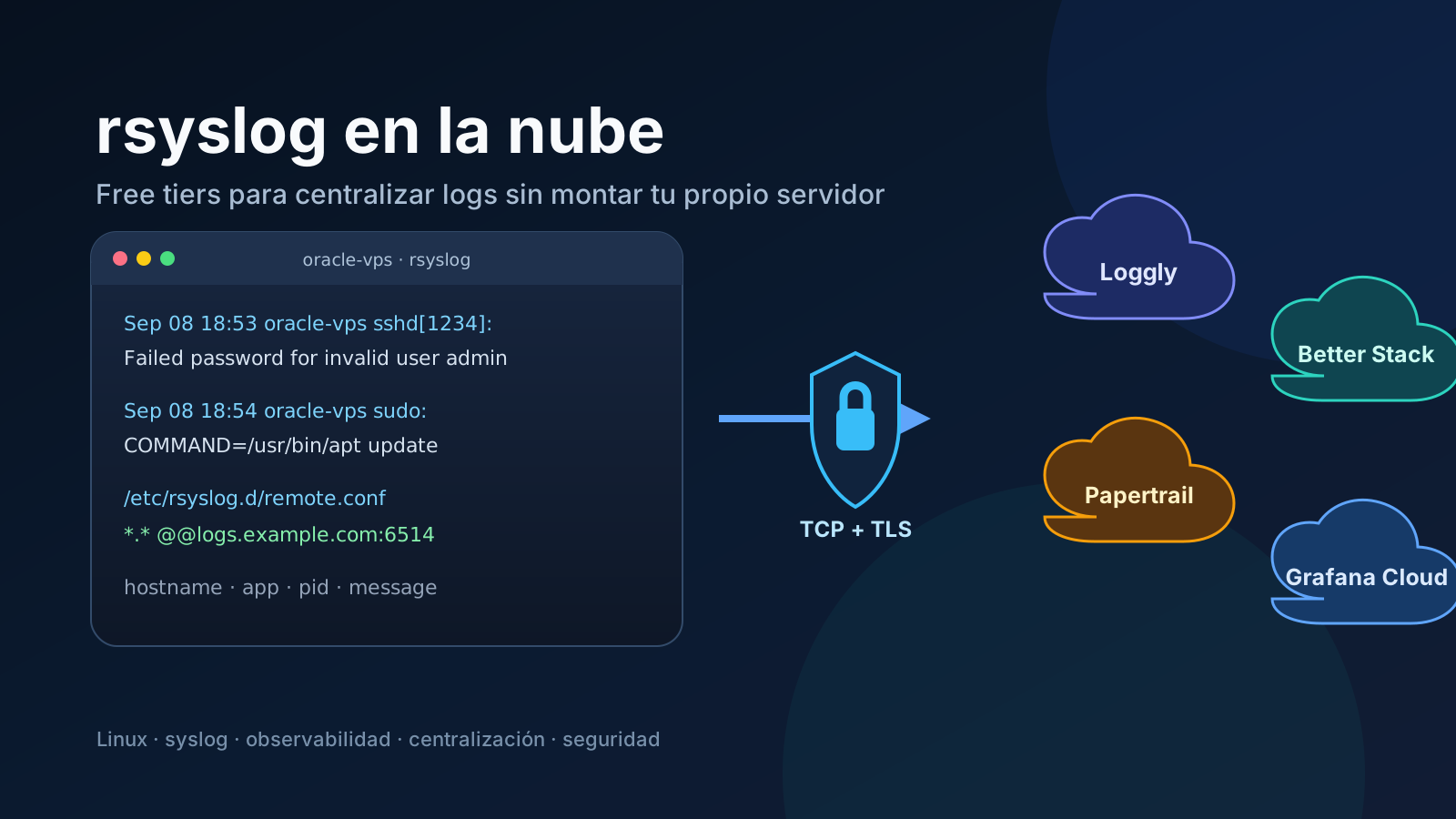
A practical comparison of Loggly, Better Stack, Papertrail, and Grafana Cloud for shipping rsyslog logs, including free limits, protocols, TLS, and architecture recommendations.
September 6, 2026 · Capital de Tokens
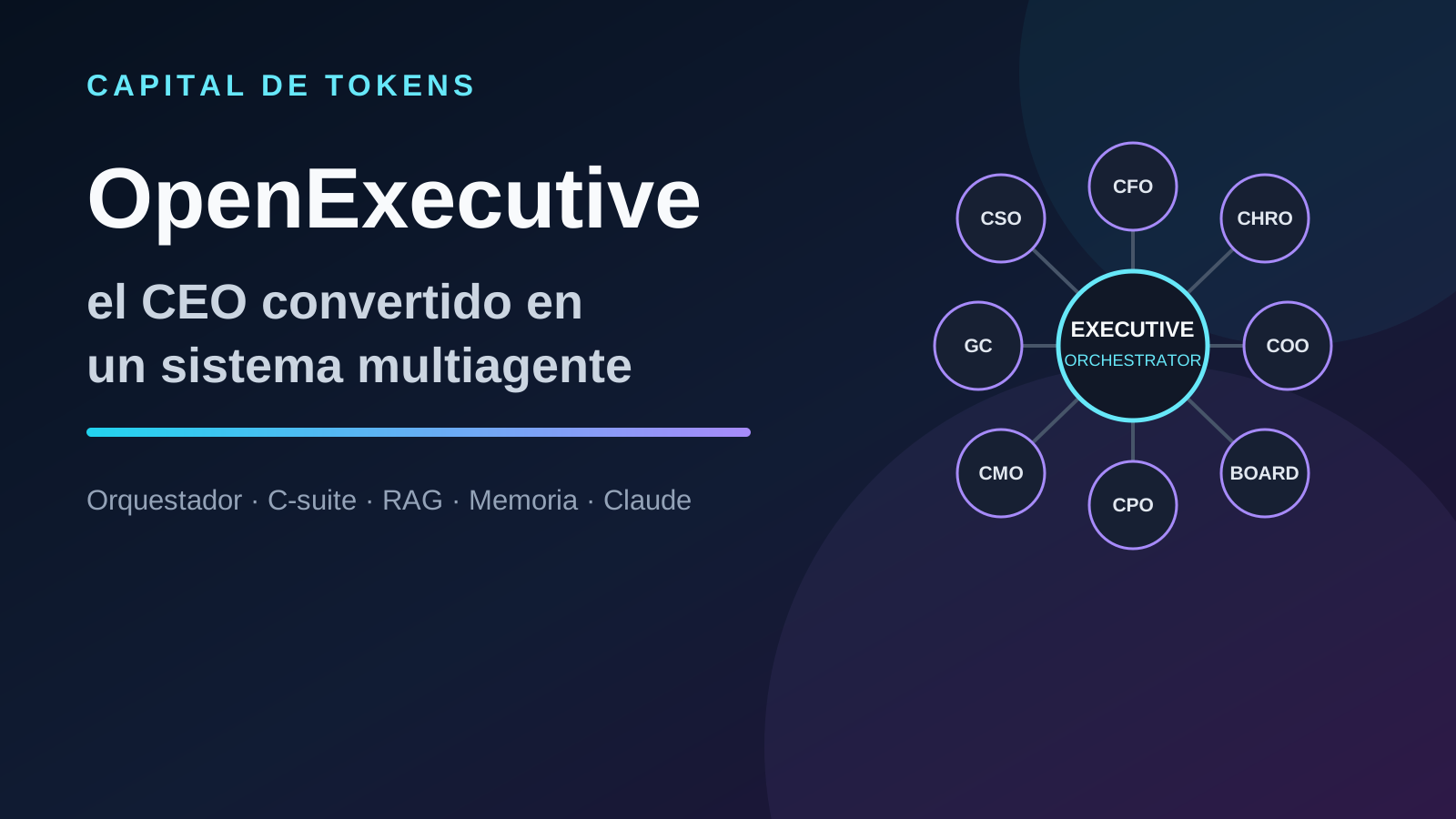
OpenExecutive proposes a provocative idea: turn part of the CEO and C-suite workload into agentic software. Behind the headline is a serious architecture with an orchestrator, eight specialists, RAG, episodic memory, and a scheduler that shows how management is starting to look like an operating system for agents.
 Capital de Tokens