September 5, 2026 · Capital de Tokens
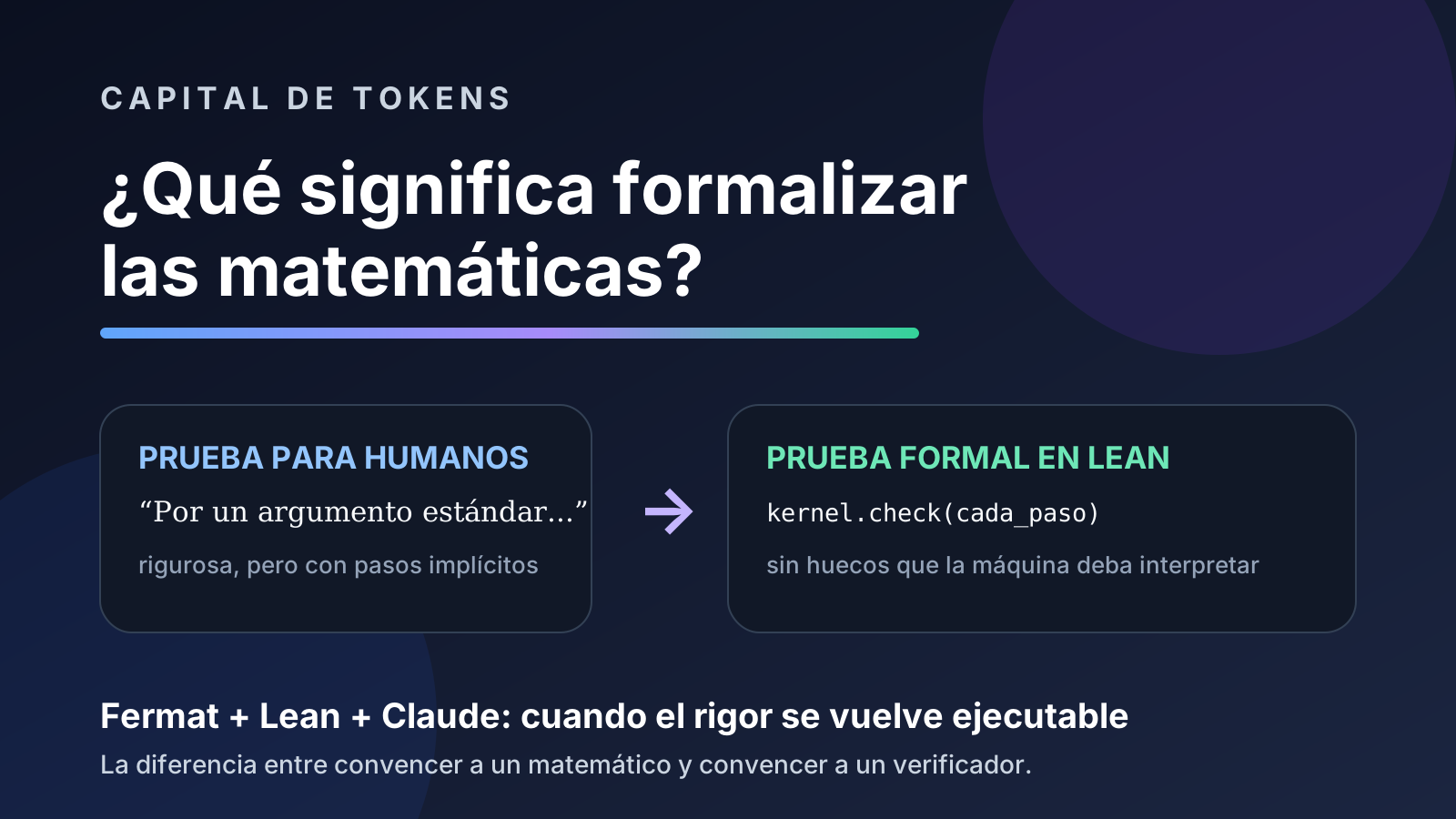
Mathematics is already rigorous, but most proofs are not written with the level of explicit detail a computer needs. Anthropic's recent Lean formalization of Fermat's Last Theorem shows what changes when every definition, hypothesis, and logical step must be checkable by a proof kernel.
September 5, 2026 · Capital de Tokens
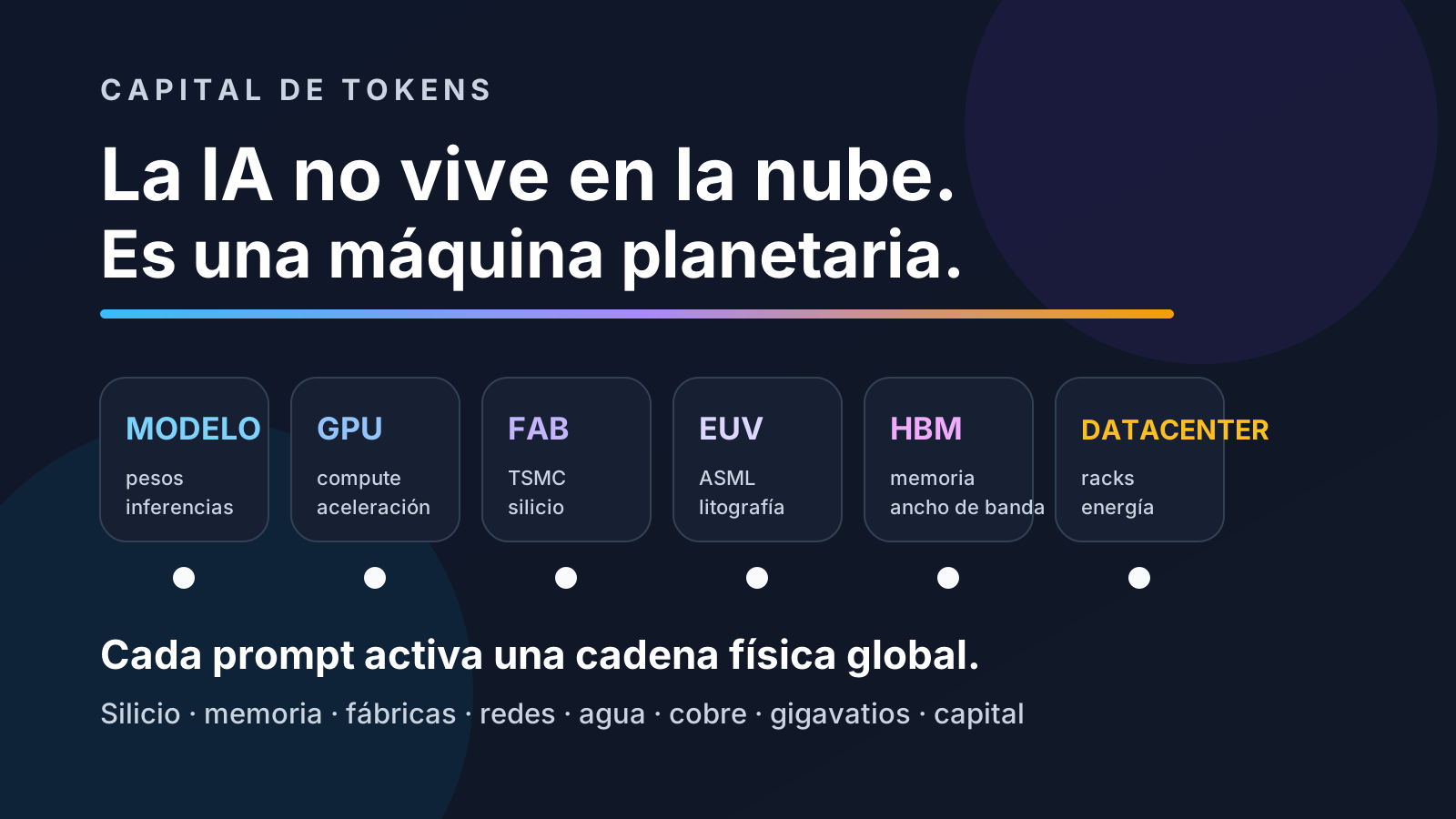
Behind every model response sits a physical chain of chips, lithography, memory, data centers, power grids, minerals and capital. AI does not live only in the cloud: it is becoming one of the largest industrial infrastructures of our time.
September 5, 2026 · Capital de Tokens
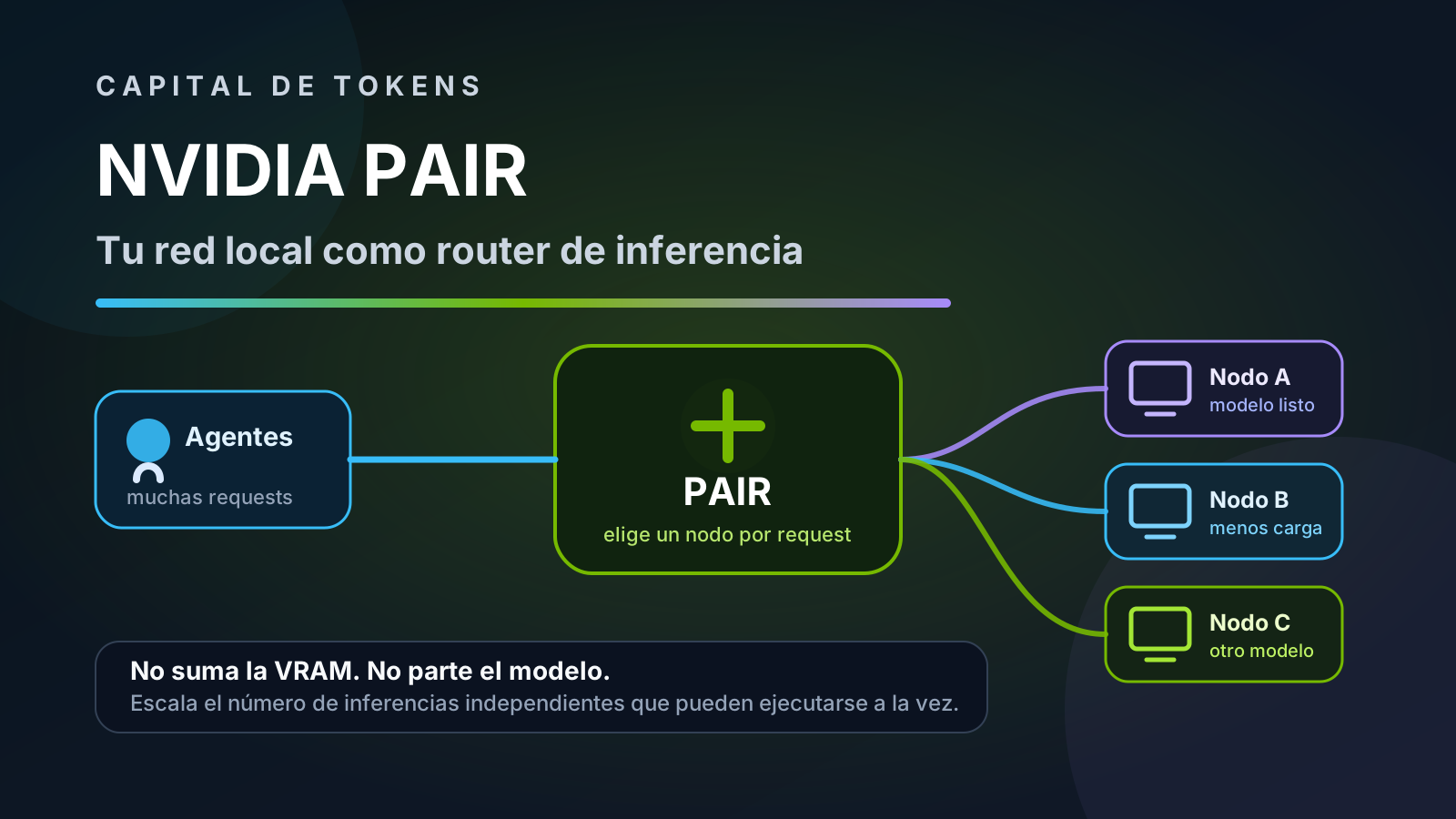
NVIDIA PAIR distributes inference requests across compatible machines on a local network using Ollama or LM Studio. It does not pool VRAM or split models: its value is running more independent work in parallel, especially in multi-agent systems.
September 5, 2026 · Capital de Tokens
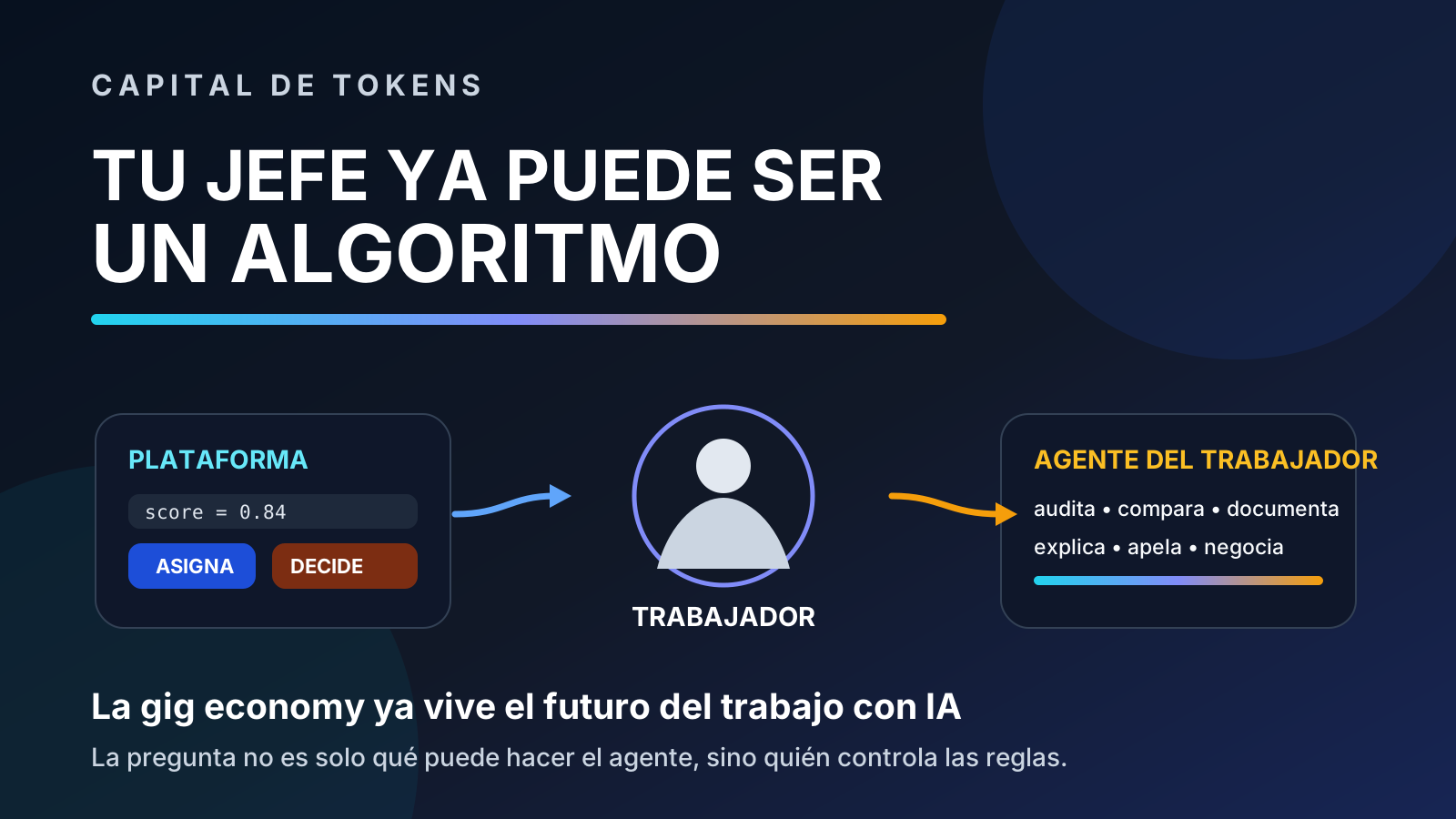
Debates about autonomous agents usually look to the future, but Uber, DoorDash, and other platforms already show what happens when algorithms allocate work, set incentives, and can cut people off from their income. Princeton researcher Andrés Monroy-Hernández offers a more useful way to think about AI and work: not only as automation, but as a question of power, transparency, and platform design.
September 3, 2026 · Capital de Tokens
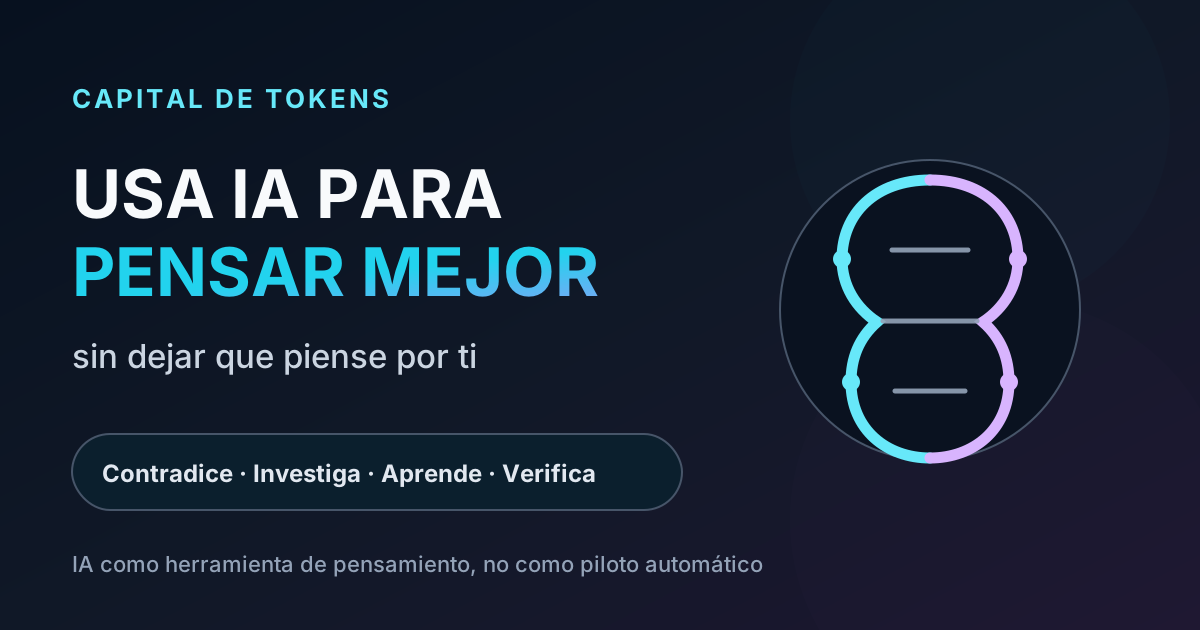
AI can become a cognitive shortcut or a tool for more rigorous thinking. A practical method for using it as an intellectual adversary, research assistant, tutor, and reflection system without outsourcing judgment.
September 2, 2026 · Capital de Tokens
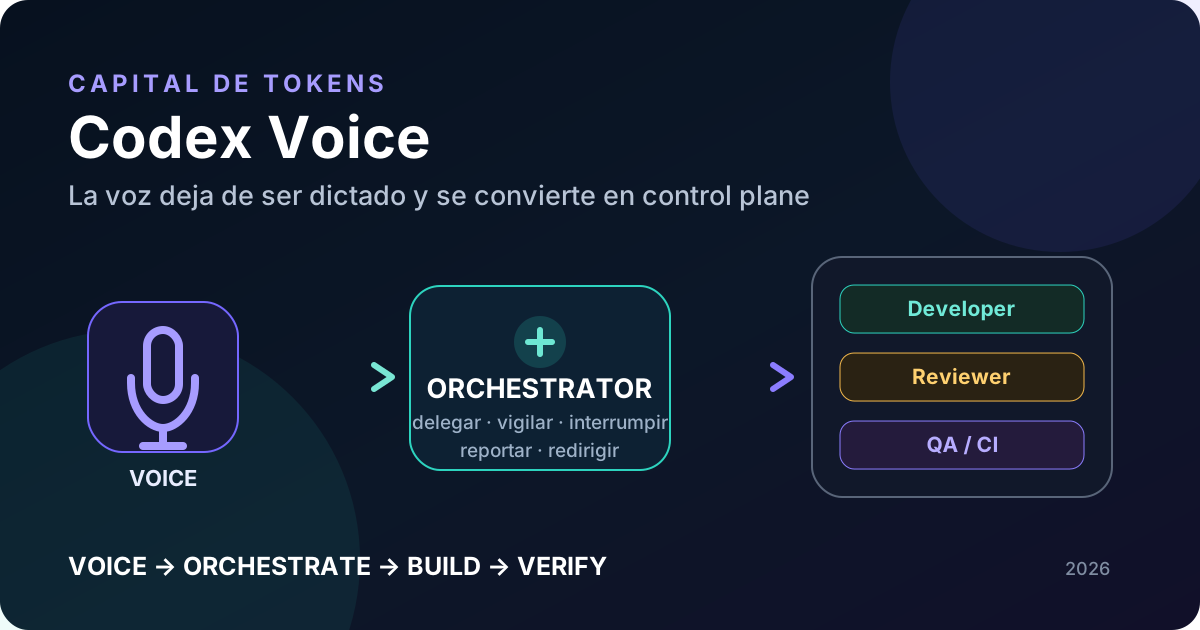
The community is using Voice in Codex for something more interesting than talking to an editor: coordinating workers, checking progress, redirecting tasks, and working hands-free. We review real usage patterns, open problems, and the architecture this suggests for voice-driven development agents.
September 2, 2026 · Capital de Tokens
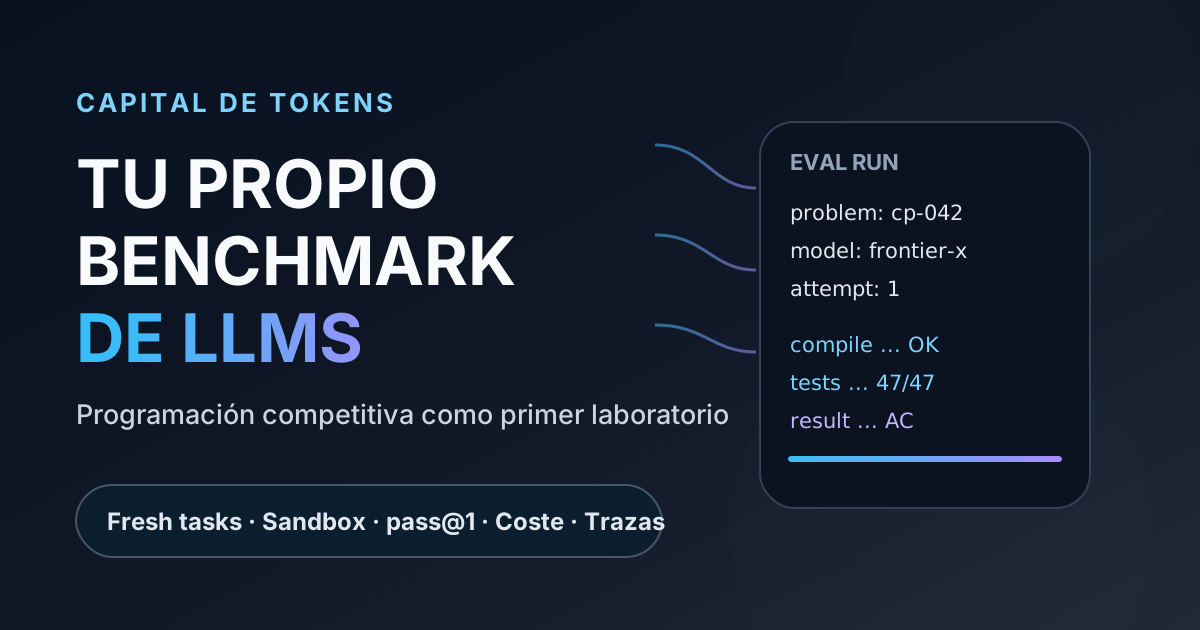
Public leaderboards do not always answer the question you actually care about. We design an architecture for evaluating LLMs with your own benchmarks, starting with fresh competitive-programming problems, reproducible execution, cost metrics, and a clear separation between models and agents.
September 2, 2026 · Capital de Tokens
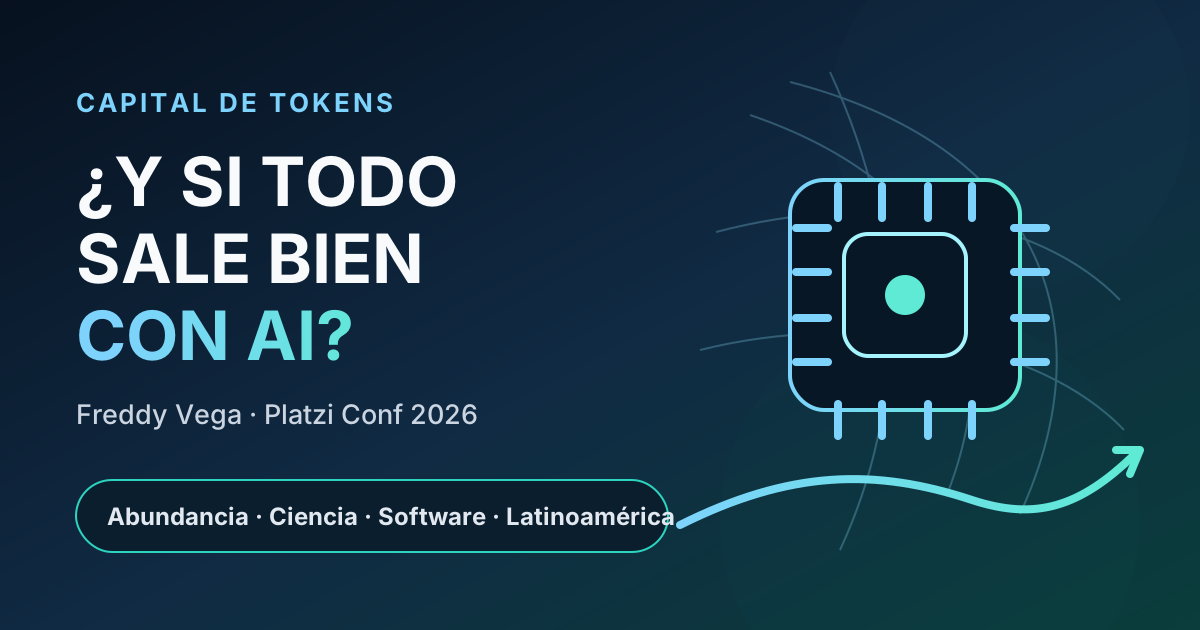
At Platzi Conf 2026, Freddy Vega presented a deliberately optimistic AI scenario: near-zero-cost expert knowledge, faster science, dramatically cheaper software, and a strategic opening for Latin America. We examine which parts already have evidence and where caution is still warranted.
September 1, 2026 · Capital de Tokens
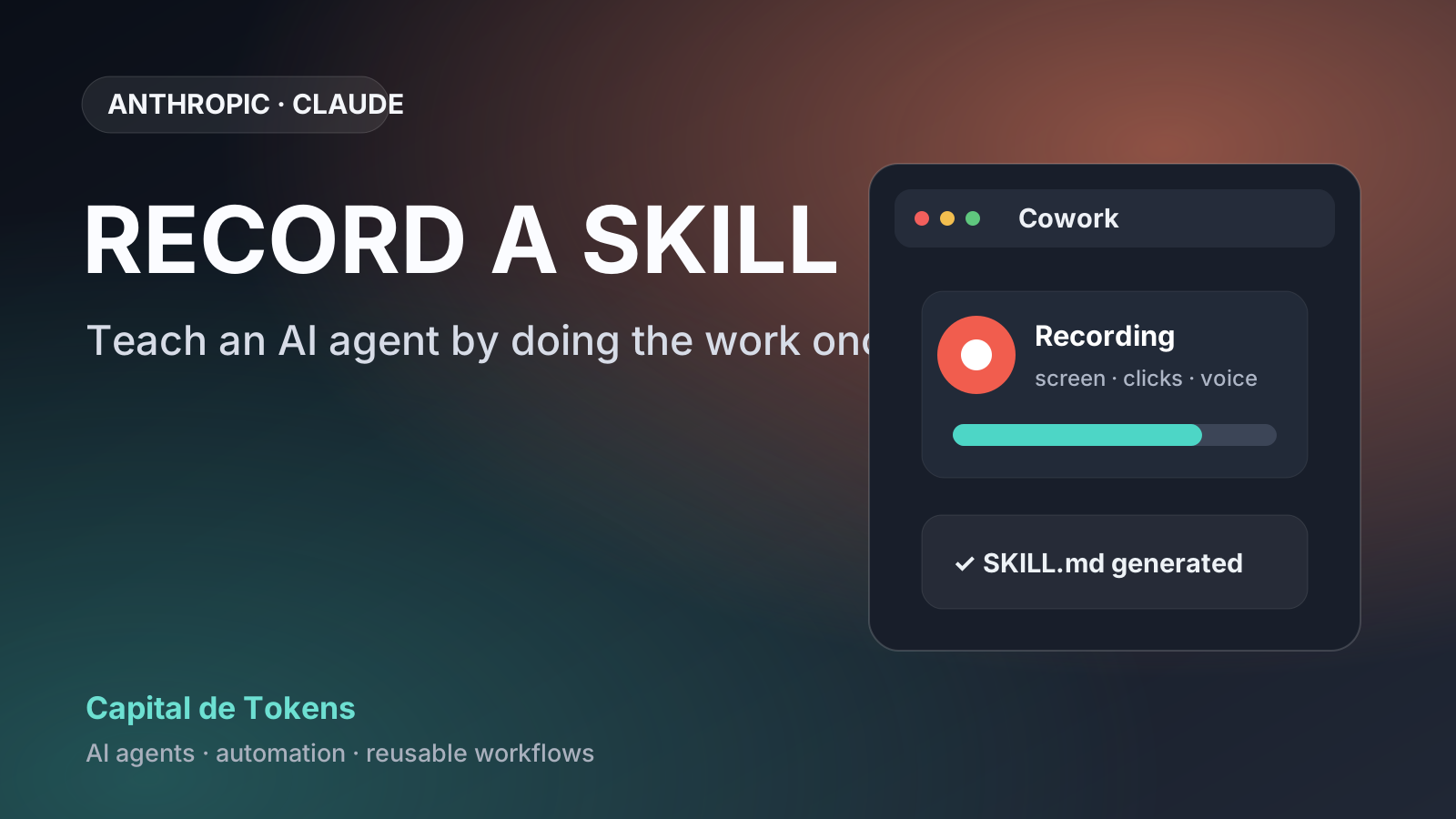
Anthropic lets users record their screen, clicks, typing, and voice in Cowork so Claude can observe a process and propose a reusable Skill. The feature brings AI agents closer to semantic RPA: teach by doing instead of documenting every step by hand.
September 1, 2026 · Capital de Tokens
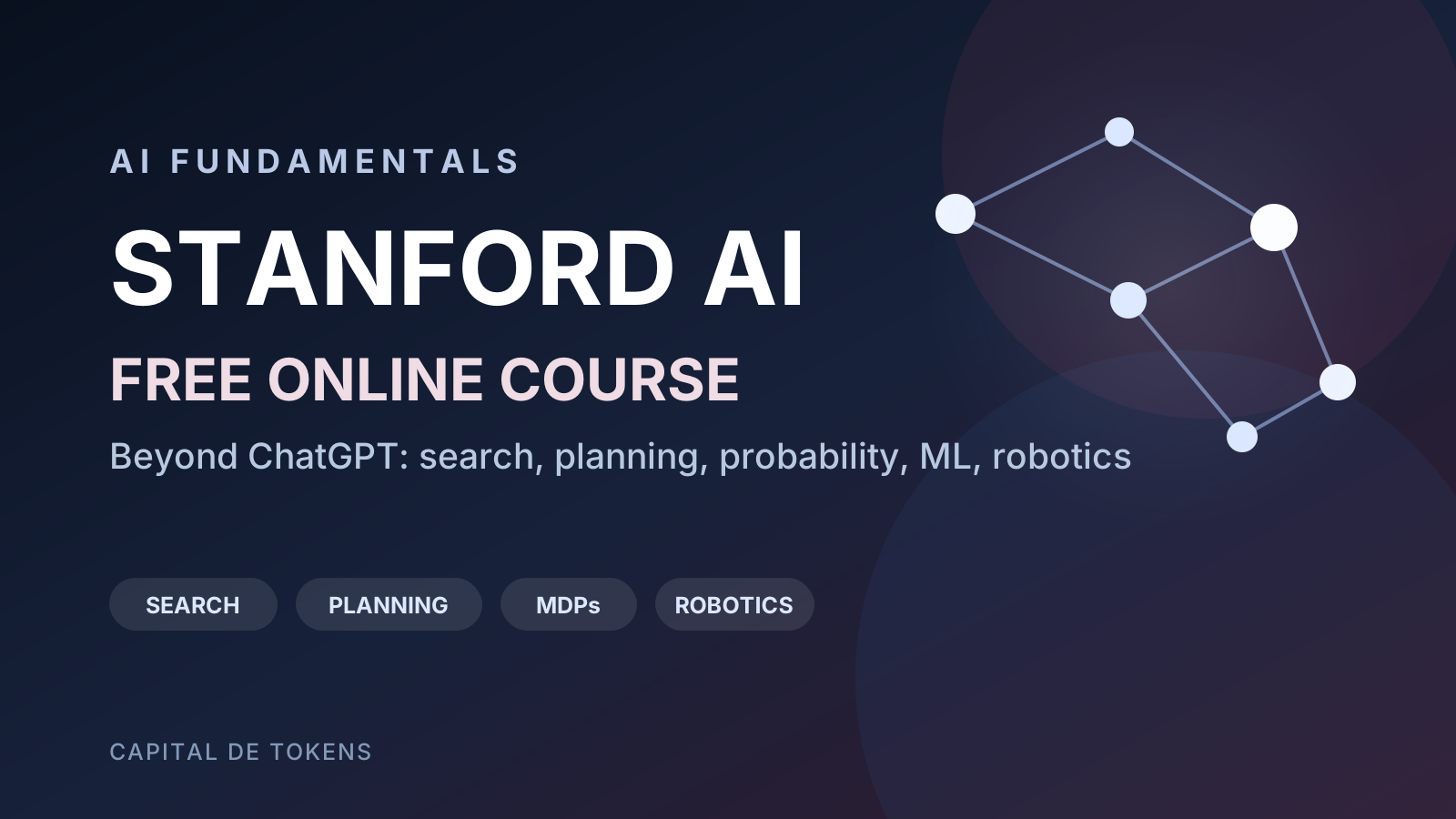
Sebastian Thrun and Peter Norvig's historic AI course is still available free on Udacity. It covers search, probability, planning, reinforcement learning, vision, robotics, and NLP: foundations that help explain AI beyond LLMs.
September 1, 2026 · Capital de Tokens
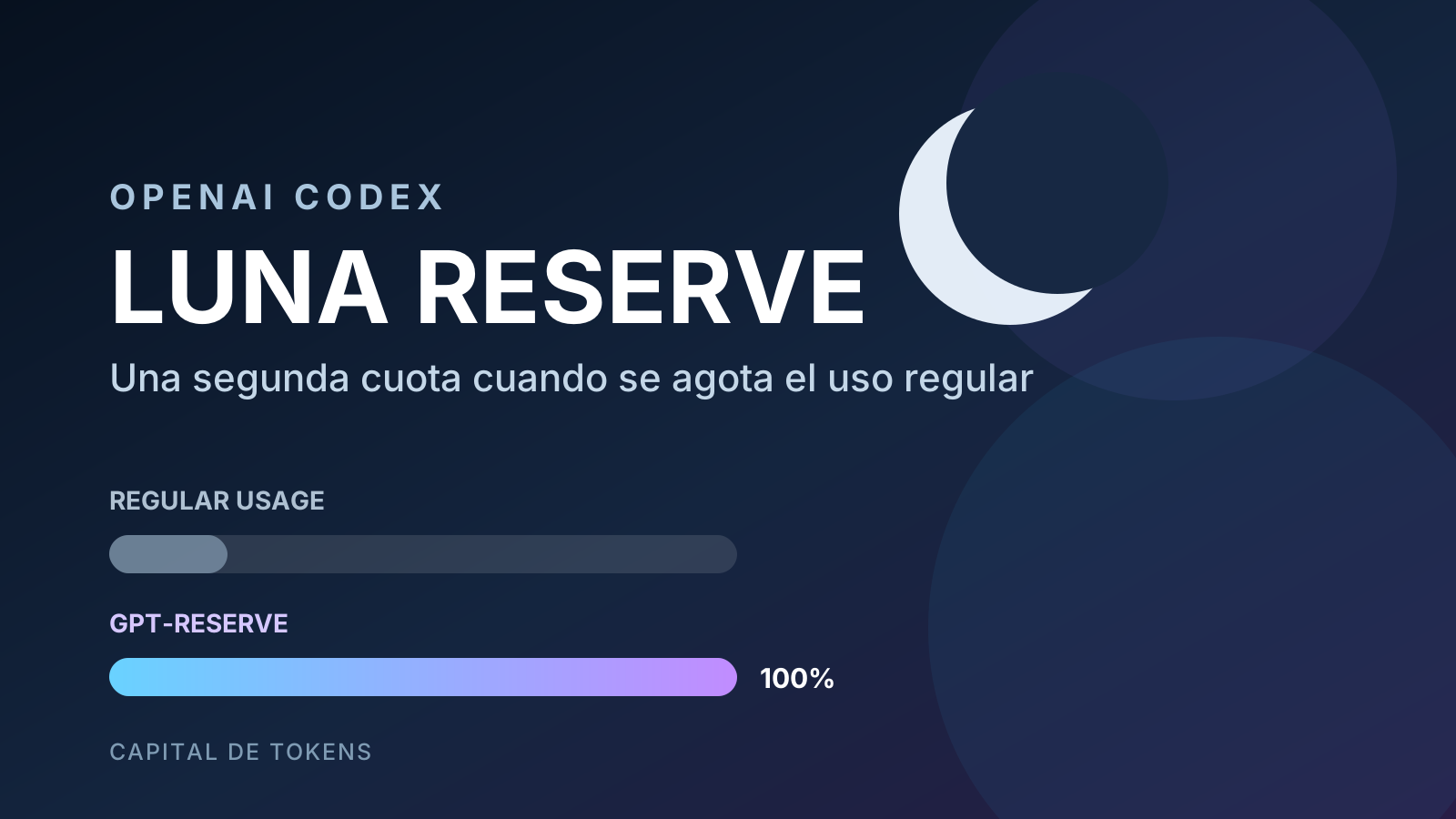
OpenAI began quietly rolling out Luna Reserve in Codex before documenting it publicly. We reconstruct the gpt-reserve timeline, explain its separate allowance, and what changes when it takes over.
September 1, 2026 · Capital de Tokens
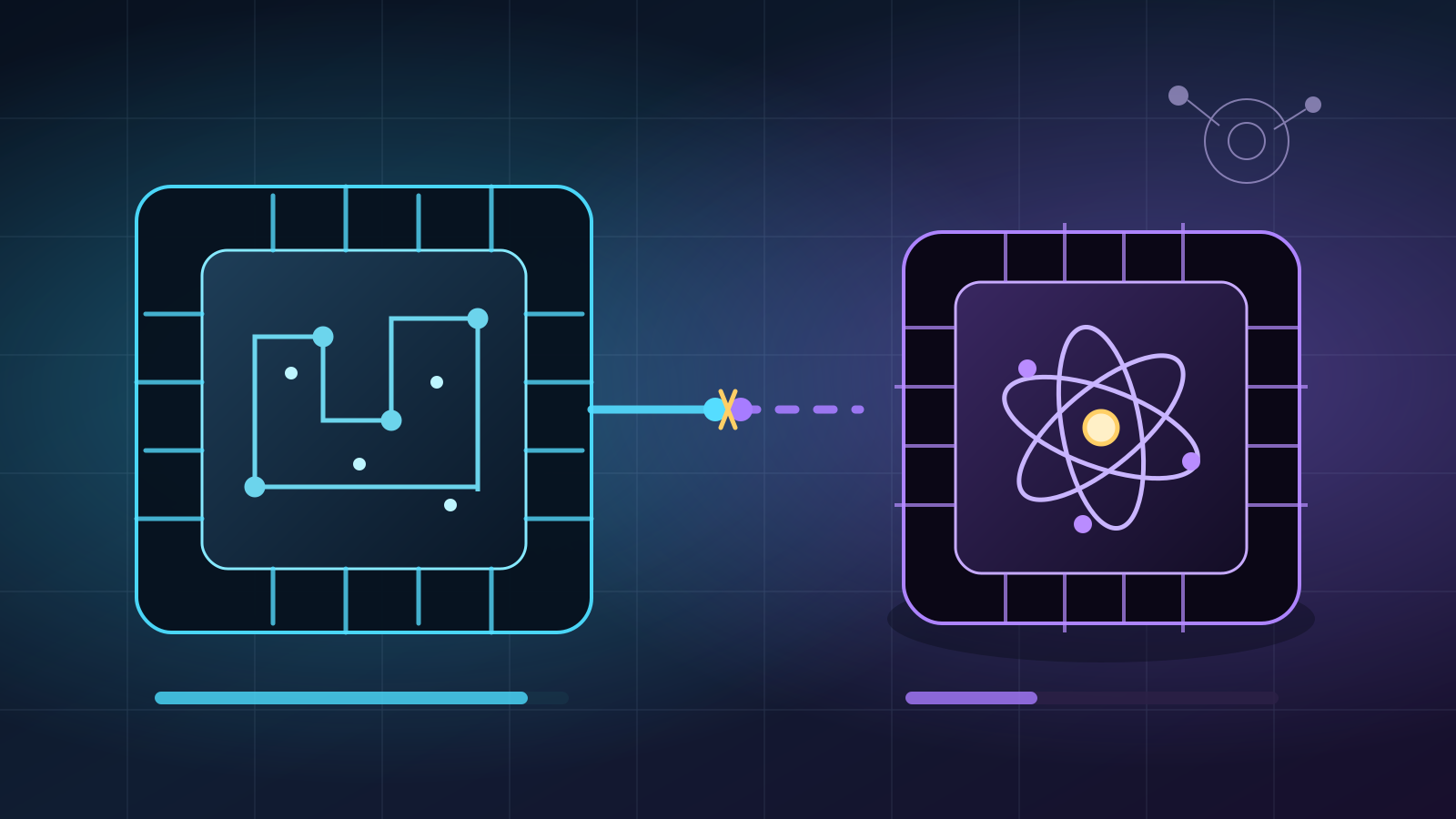
Gartner says enterprise AI workloads at scale will not run on quantum hardware before 2028. The key is separating Quantum AI, quantum-inspired methods, hybrid systems, and post-quantum cryptography so companies can invest where measurable value exists today.
 Capital de Tokens