September 8, 2026 · Capital de Tokens
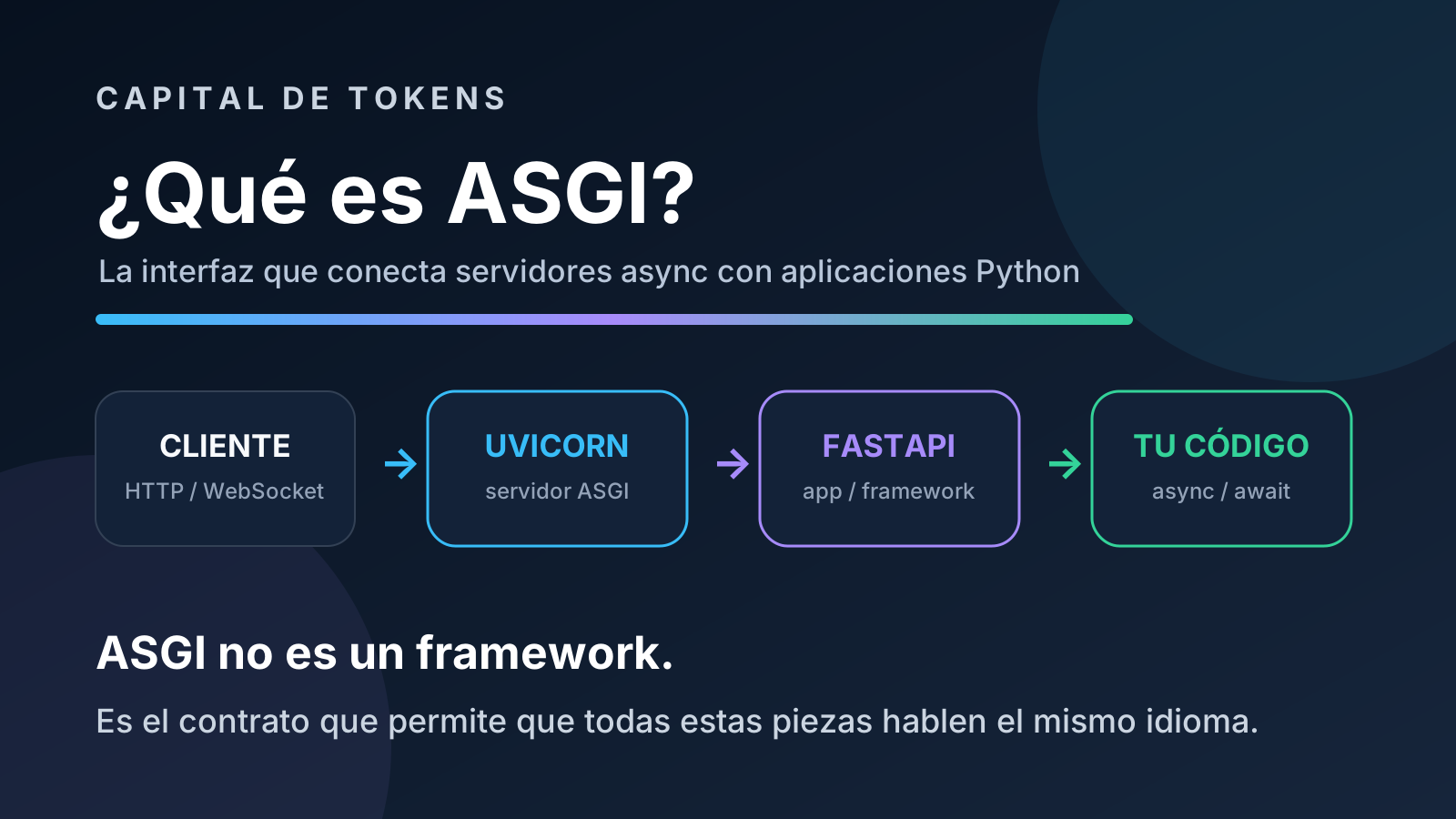
ASGI is the contract that connects asynchronous web servers with Python applications. Understanding it clarifies what Uvicorn, FastAPI, Starlette, and Django do, why WebSockets fit naturally, and what changes compared with WSGI.
September 8, 2026 · Capital de Tokens
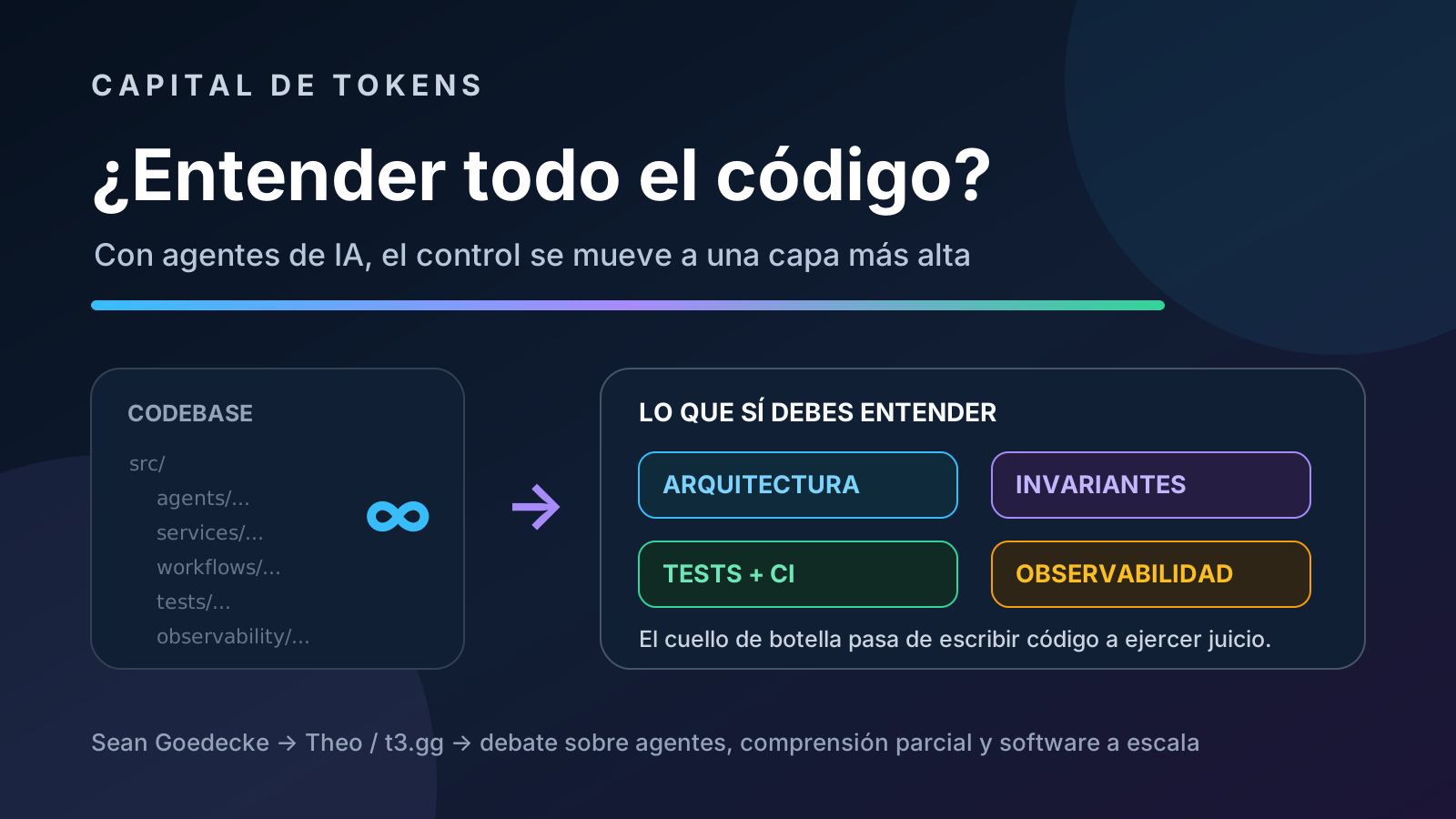
Nobody understands every line of a large software system. As AI agents generate code at unprecedented scale, engineering shifts toward architecture, invariants, tests, observability, and judgment.
September 8, 2026 · Capital de Tokens
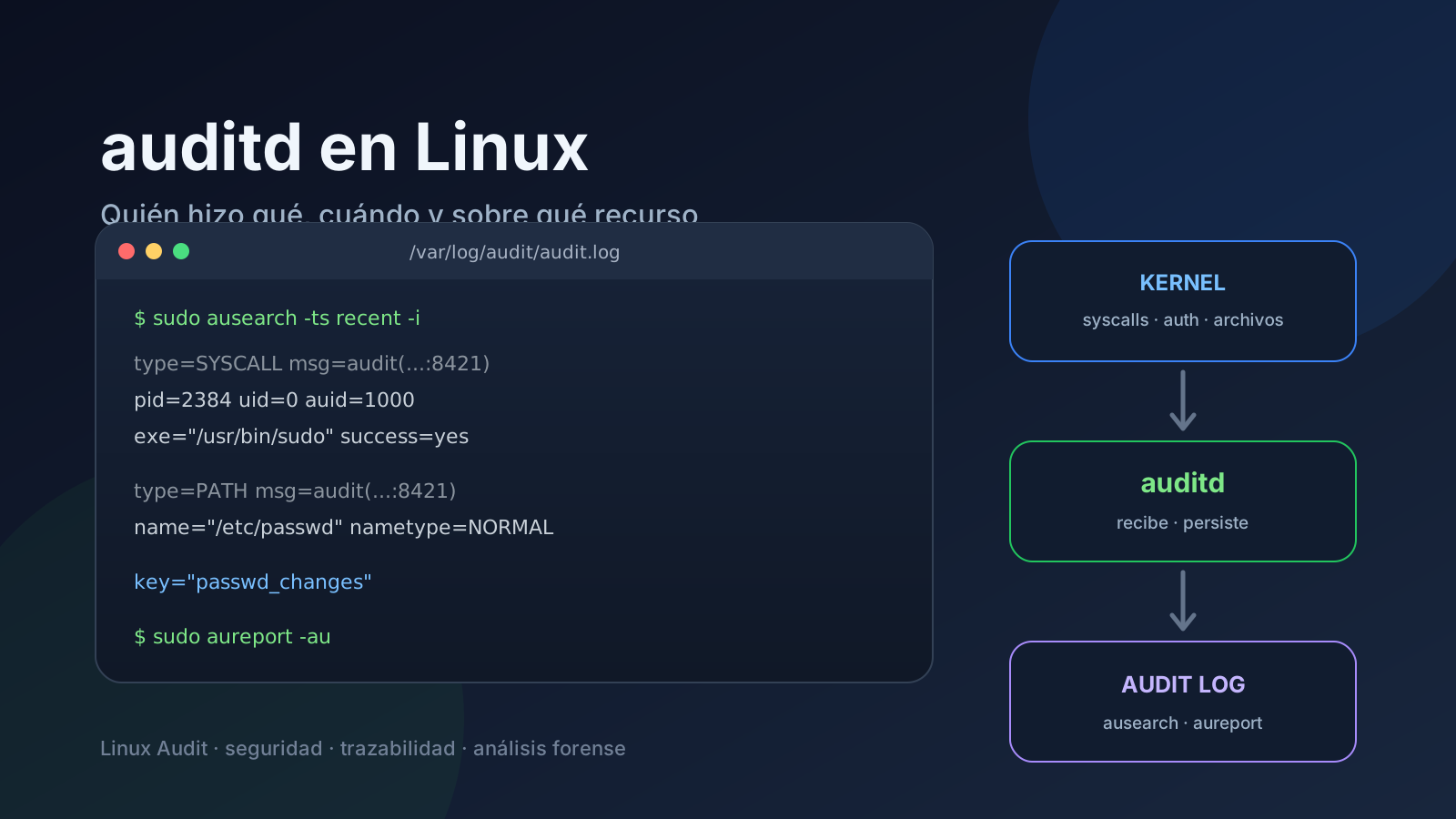
A practical guide to Linux Audit: what auditd does, how events are structured, where they are stored, how to search with ausearch, and how to summarize activity with aureport.
September 8, 2026 · Capital de Tokens
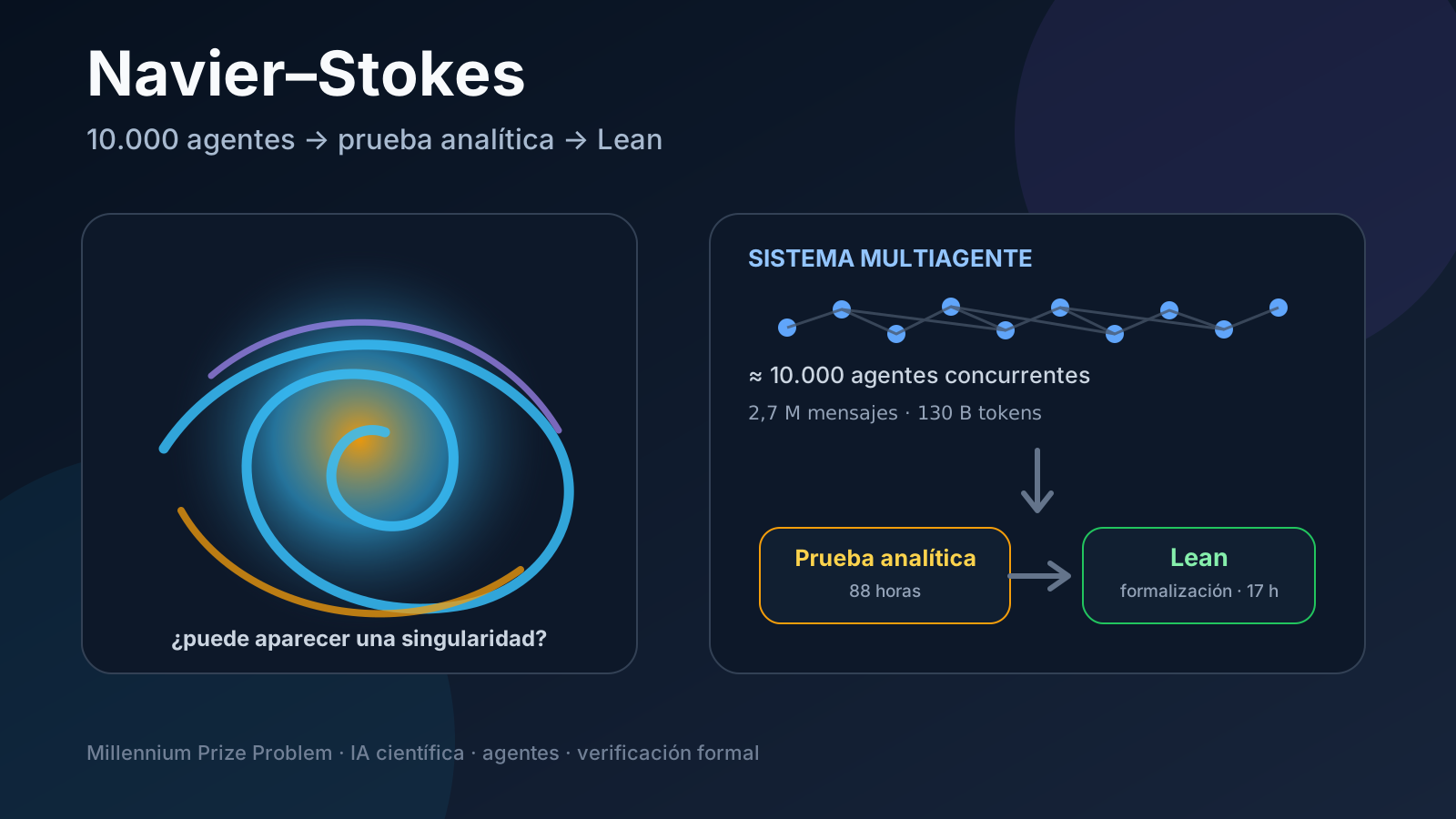
OpenAI published a proposed solution to the Navier–Stokes existence and smoothness problem. We explain what it claims, how it used roughly 10,000 agents and Lean, why the problem is not officially closed yet, and what the seven one-million-dollar Millennium Prize Problems are.
September 8, 2026 · Capital de Tokens
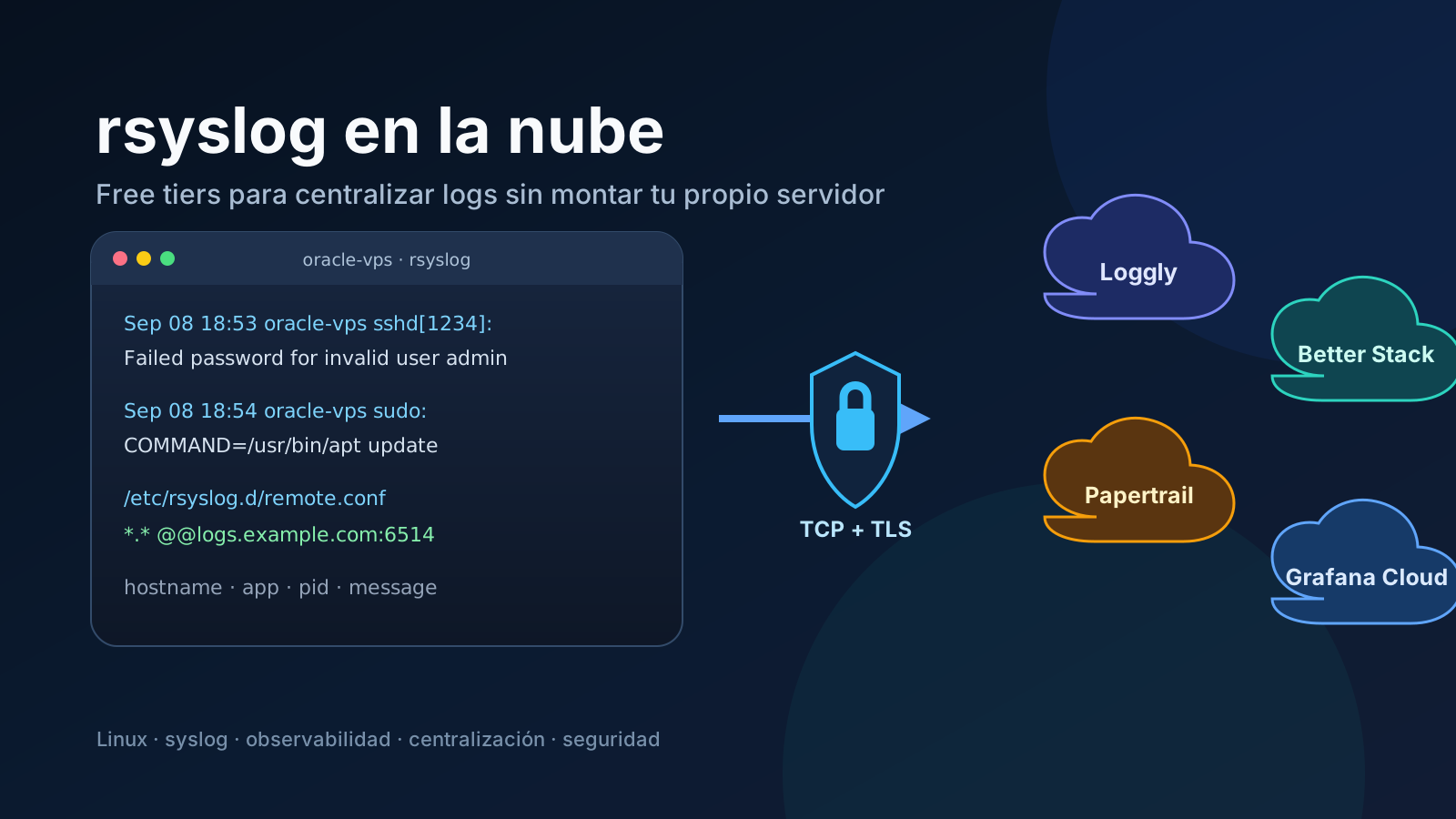
A practical comparison of Loggly, Better Stack, Papertrail, and Grafana Cloud for shipping rsyslog logs, including free limits, protocols, TLS, and architecture recommendations.
September 6, 2026 · Capital de Tokens
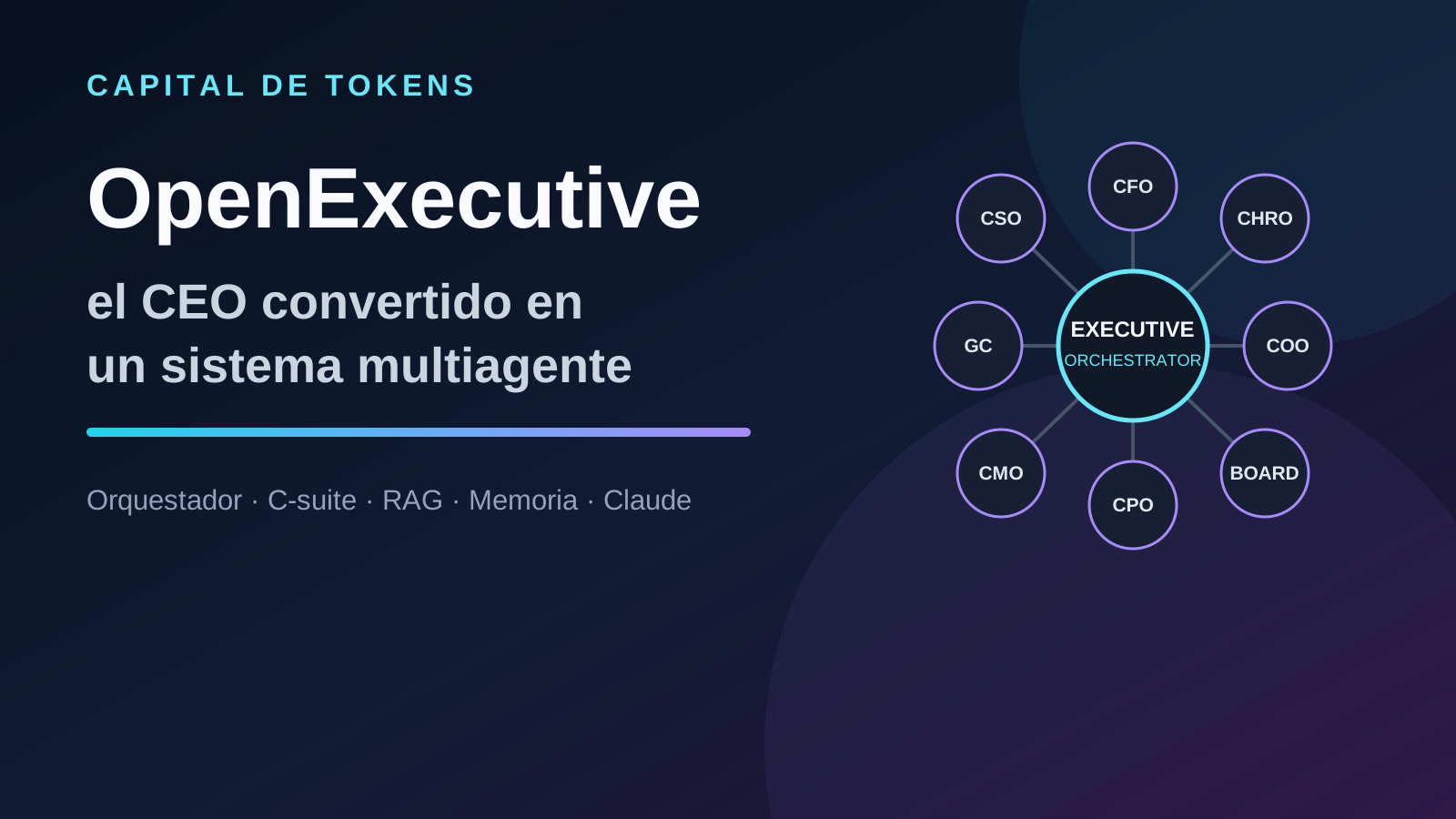
OpenExecutive proposes a provocative idea: turn part of the CEO and C-suite workload into agentic software. Behind the headline is a serious architecture with an orchestrator, eight specialists, RAG, episodic memory, and a scheduler that shows how management is starting to look like an operating system for agents.
September 5, 2026 · Capital de Tokens
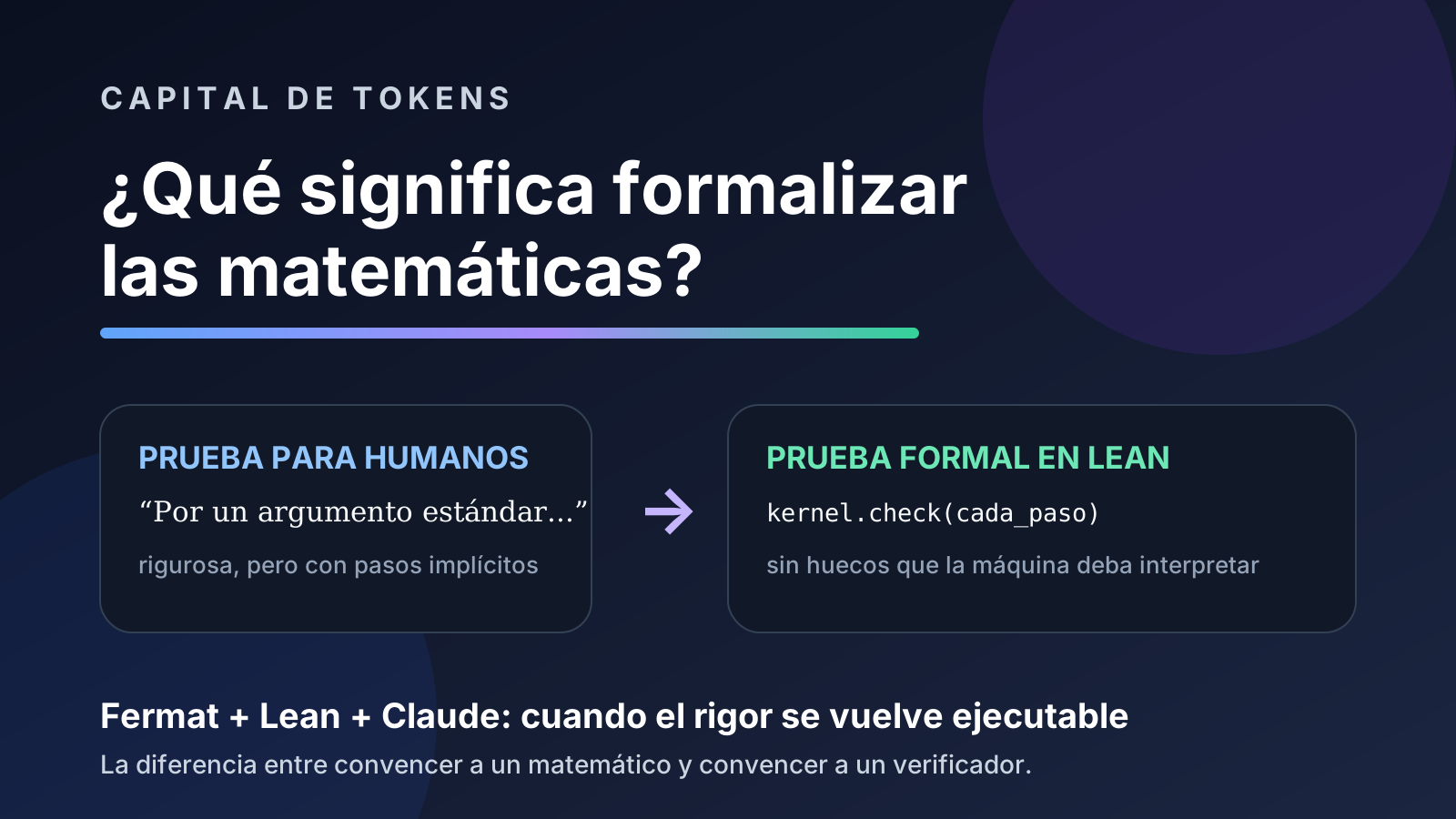
Mathematics is already rigorous, but most proofs are not written with the level of explicit detail a computer needs. Anthropic's recent Lean formalization of Fermat's Last Theorem shows what changes when every definition, hypothesis, and logical step must be checkable by a proof kernel.
September 5, 2026 · Capital de Tokens
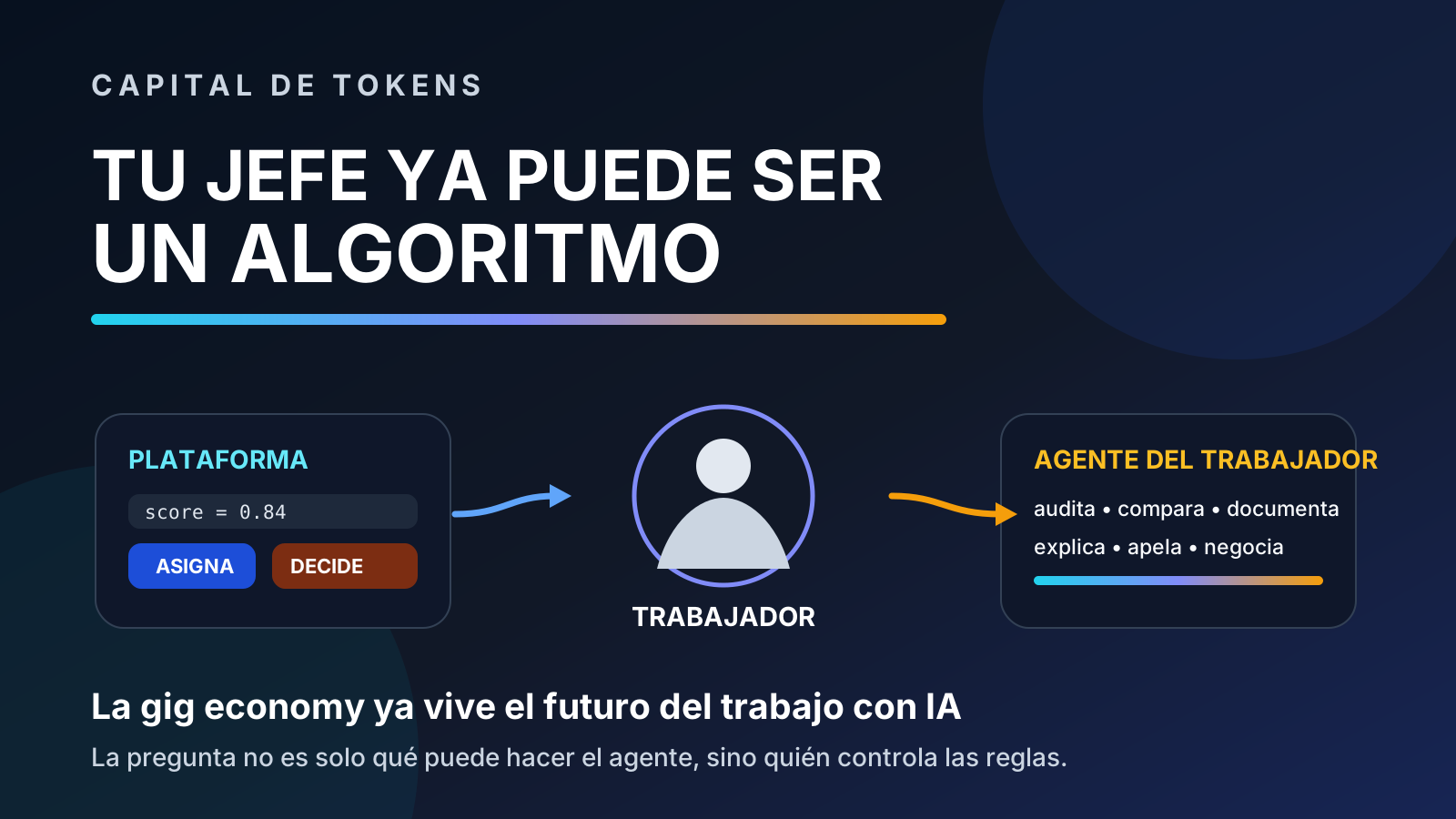
Debates about autonomous agents usually look to the future, but Uber, DoorDash, and other platforms already show what happens when algorithms allocate work, set incentives, and can cut people off from their income. Princeton researcher Andrés Monroy-Hernández offers a more useful way to think about AI and work: not only as automation, but as a question of power, transparency, and platform design.
September 5, 2026 · Capital de Tokens
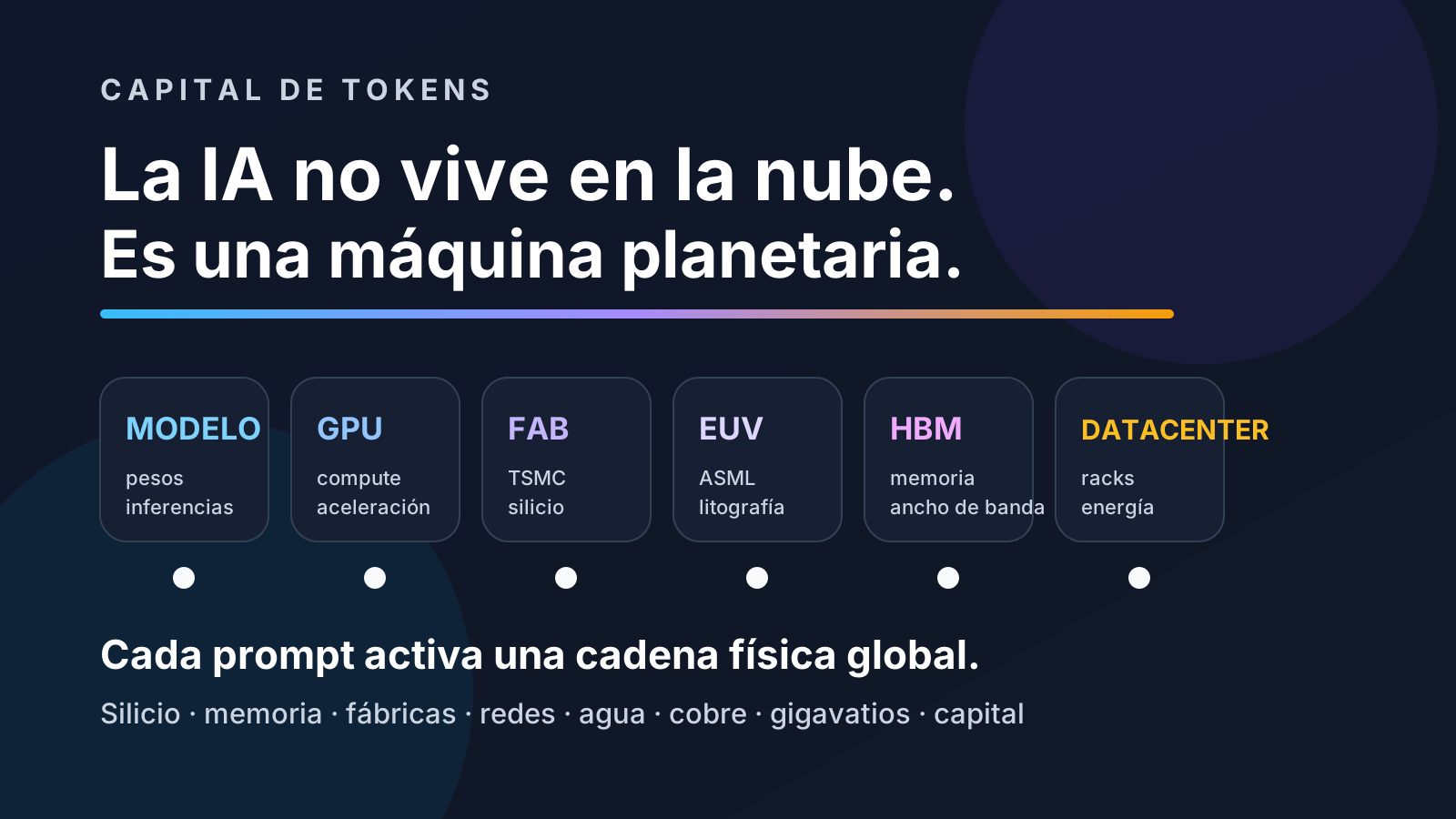
Behind every model response sits a physical chain of chips, lithography, memory, data centers, power grids, minerals and capital. AI does not live only in the cloud: it is becoming one of the largest industrial infrastructures of our time.
September 5, 2026 · Capital de Tokens
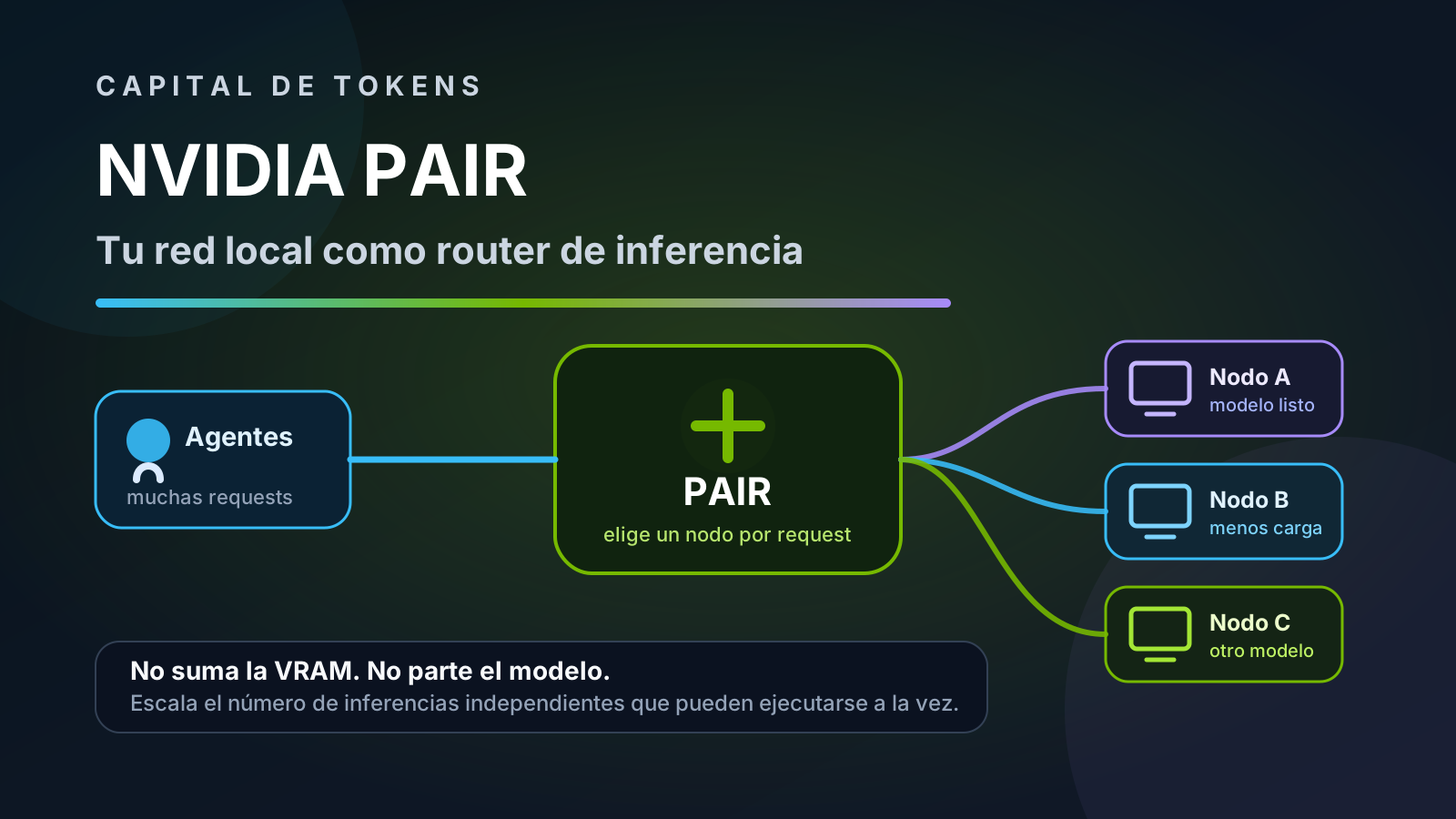
NVIDIA PAIR distributes inference requests across compatible machines on a local network using Ollama or LM Studio. It does not pool VRAM or split models: its value is running more independent work in parallel, especially in multi-agent systems.
September 3, 2026 · Capital de Tokens
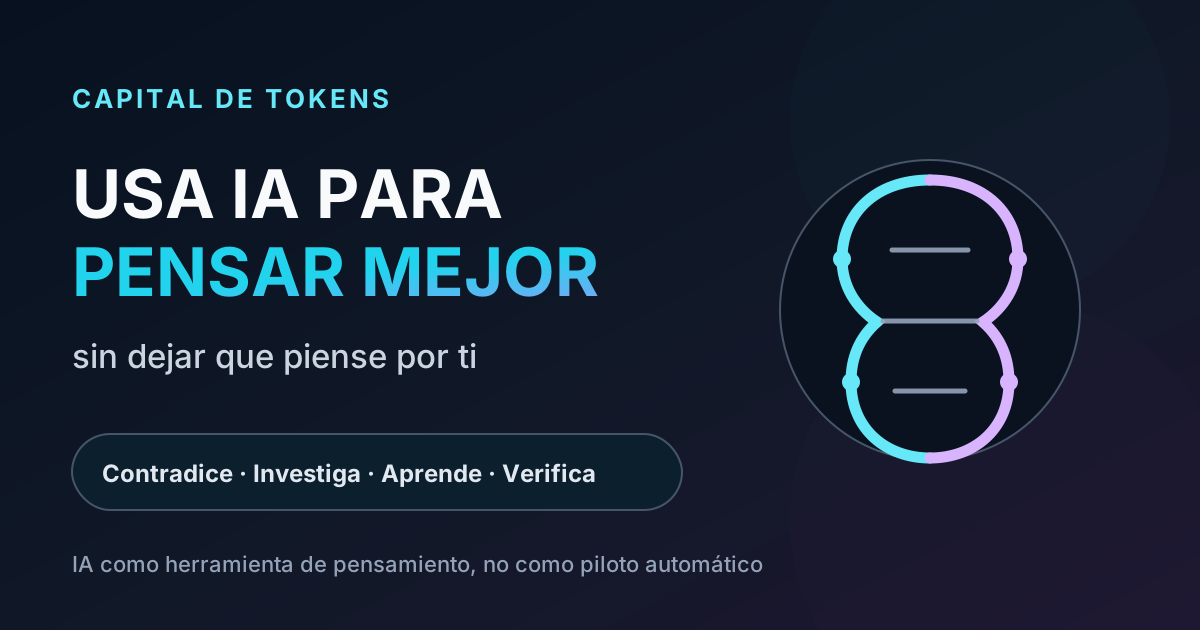
AI can become a cognitive shortcut or a tool for more rigorous thinking. A practical method for using it as an intellectual adversary, research assistant, tutor, and reflection system without outsourcing judgment.
September 2, 2026 · Capital de Tokens
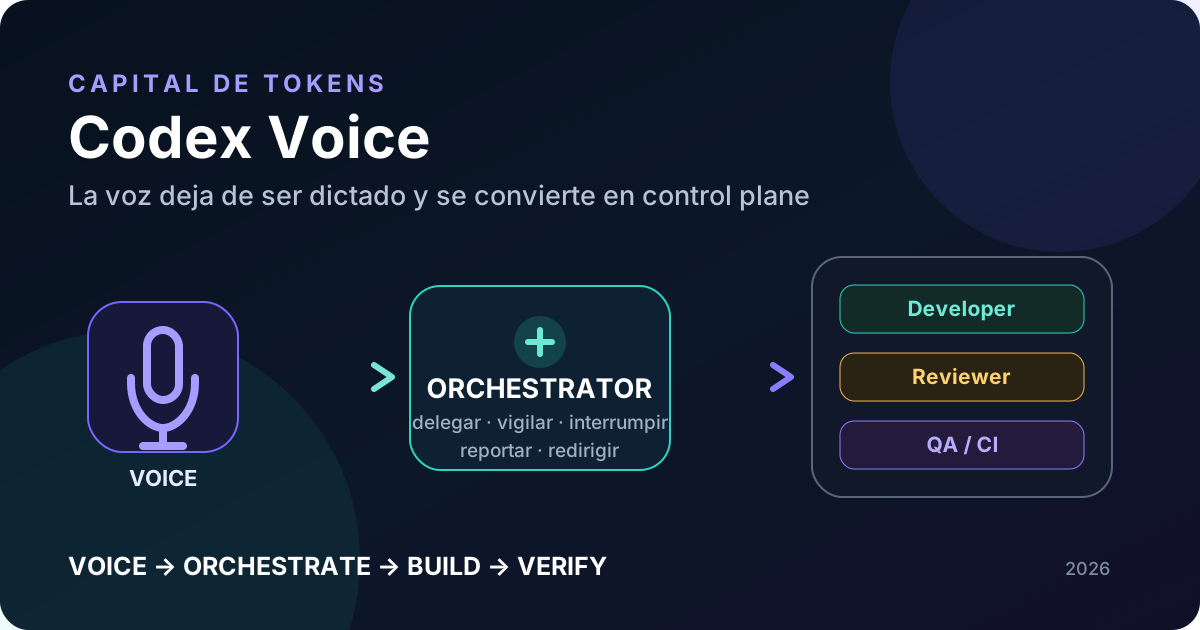
The community is using Voice in Codex for something more interesting than talking to an editor: coordinating workers, checking progress, redirecting tasks, and working hands-free. We review real usage patterns, open problems, and the architecture this suggests for voice-driven development agents.
 Capital de Tokens